US Midterms: Economy and Inflation Take Center Stage Amid Low Approval Ratings
As US midterm elections approach, economic discontent, rising fuel costs, and low approval ratings present a major challenge for the administration, with voters weighing inflation against partisan loyalty.
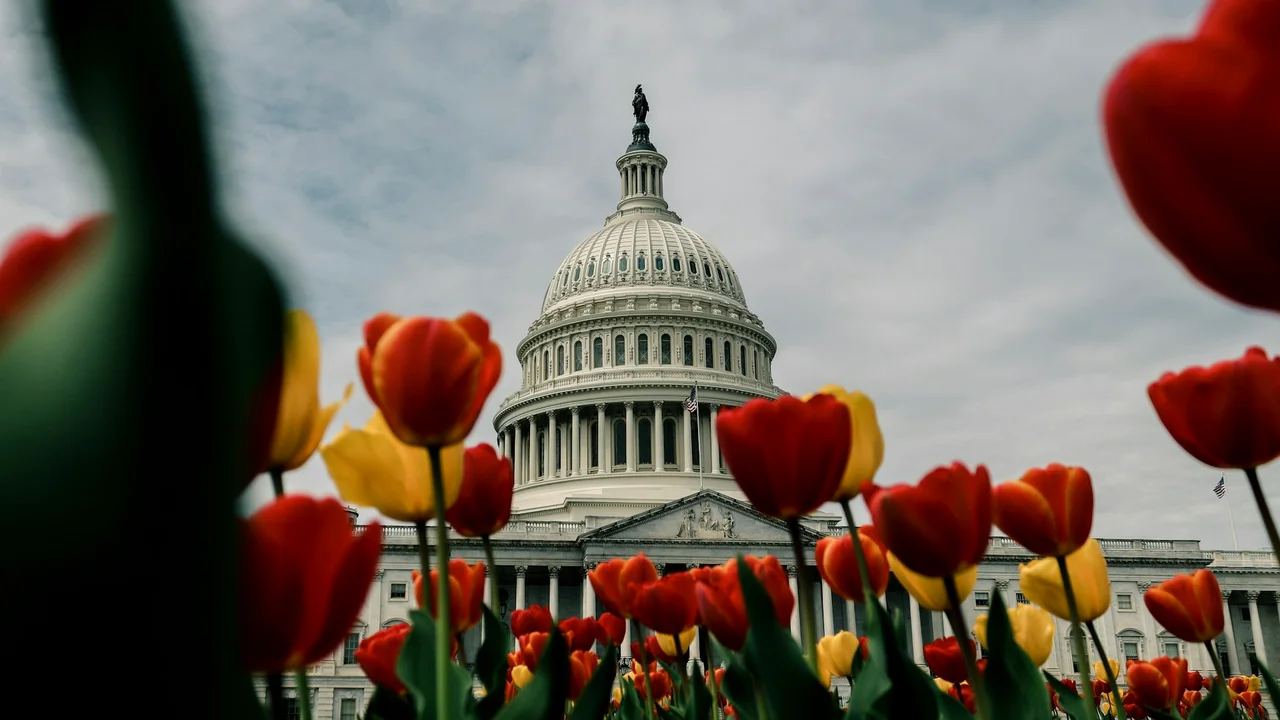
As the United States approaches the midterm elections, the economic landscape poses a severe challenge for the ruling administration. Millions of Americans are set to cast their ballots to renew the entire 107th House of Representatives, 35 Senate seats, and numerous local offices. With inflation persisting, gas prices surging, and the ongoing conflict with Iran affecting daily life, the economy remains the central issue for voters.
President Donald Trump enters these midterms facing historically low approval ratings. Unlike past presidents who typically distanced themselves during midterms, Trump has maintained an aggressive campaign schedule, urging loyalists to support Republican candidates to protect his agenda. Citing fears of potential impeachment if Democrats take control, he has framed the vote as a referendum on his presidency while largely avoiding the topic of the economy.
Economic dissatisfaction has grown steadily across the political spectrum. According to recent surveys, a vast majority of Americans express concern over a potential economic downturn, while grocery and fuel prices continue to climb. The average price of a gallon of gas has risen significantly since Trump took office, driven largely by the conflict with Iran and disruptions in the Strait of Hormuz. Additionally, the cost of housing and healthcare has placed a heavy burden on middle-class families, as Republican-led cuts to health insurance subsidies take effect in the coming years.
As voters head to the polls, the central question is whether widespread frustration over the cost of living will outweigh partisan loyalty. Democrats hope to capitalize on economic anxieties to secure major legislative gains, while Republicans rely on the personal appeal of the president to mobilize their base.