US Investigation Exposes Aggressive Sales and Extreme Markups at Cosmetics Stores Linked to Israeli-Origin Family
A major US investigation reveals hundreds of complaints against cosmetic stores linked to a distributor owned by an Israeli-origin family. Findings show extreme markups, aggressive sales tactics targeting vulnerable populations, and a recent legal settlement.
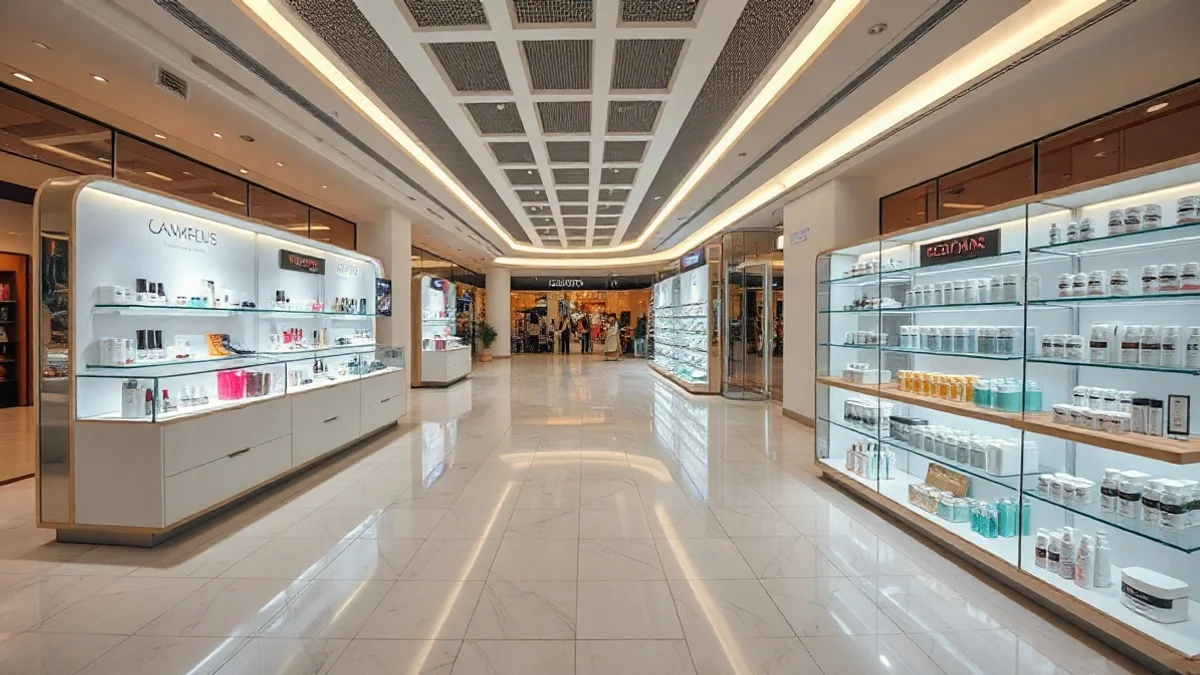
A major investigation published in the United States has revealed hundreds of consumer complaints against cosmetic stores selling products supplied by a California-based distribution company owned by an Israeli-origin family. The findings highlight extreme markups, such as a face mask sold to stores for $23 with a suggested retail price of $3,000, alongside allegations of aggressive sales tactics targeting vulnerable populations.
The investigation, conducted by National Public Radio over the course of more than a year, included interviews with over 50 individuals, a review of legal documents, and an examination of nearly 500 complaints filed with US authorities. At the center of the inquiry is Mazal Group, a distribution firm established in 2015 by the Weingarten family and Oded. The company supplies dozens of cosmetic brands to retailers nationwide, though it maintains that it does not manage the storefronts directly.
Aggressive Tactics and Vulnerable Victims
One case highlighted in the investigation involved Victor Chisholm, a 30-year-old man with developmental disabilities, who was charged $41,747 at the B&C Co. cosmetics store in the Westfield Topanga mall in California. Furthermore, he transferred $10,120 directly to store employees via payment apps. According to his attorney, the funds originated from a car accident settlement.
Chisholm stated that sales personnel pressured him into purchasing unwanted products and refused to issue a refund. The incident prompted a Los Angeles Police Department investigation, and the store closed in September. Representatives for the store rejected the allegations, claiming Chisholm frequently made large purchases at other businesses. Regarding the funds transferred to employees, it was noted that one worker operated without company authorization and is no longer employed there.
In another complaint filed in Michigan, the son of an elderly man suffering from dementia reported that his father was billed $42,000 for cosmetics and skincare devices. In Hawaii, a disabled woman complained that a salesperson took her walker during a spa visit and prevented her from leaving for hours until she paid $2,600.
Pricing Discrepancies and Laboratory Findings
Alongside sales complaints, NPR investigated product pricing. Order documents obtained by the network showed that a face mask from the brand Voesh was sold to stores for $23, while the suggested retail price was $3,000. Another Voesh product priced at $1,300 was sent to a laboratory for testing. The analysis found no detectable amounts of vitamins A and E, despite both appearing on the ingredient list. The chemist who performed the test noted the findings raise suspicions, pointing out that much cheaper products on the market contain similar peptide ingredients.
Mazal Group distributes brands including Voesh, Orogold, Lyons, and Introstem. While the company insists it only engages in wholesale distribution, documents uncovered in a Hawaii class-action lawsuit indicated connections between the firm and the retail locations, including guidelines regarding sales methods, branding, and refunds.
In June 2026, the Hawaii lawsuit concluded with a $950,000 settlement, with Mazal Group and family members agreeing to pay $650,000. The defendants denied liability and did not admit to any wrongdoing.
The American investigation also touched upon the employment of young Israelis in cosmetics stores, uncovering evidence of workers lacking proper work permits. In New Mexico in 2025, an Israeli store owner, Sahar Khouri, reached a settlement with authorities agreeing to pay $350,000 in customer restitution, while denying intentional fraud.