Israel Urban Renewal Permit Applications Drop 51% Amid Market Shifts
Israel's urban renewal sector saw a 51% drop in new housing units within permit applications during H1 2026, driven by Tel Aviv and Jerusalem declines, while Haifa and Holon surged.
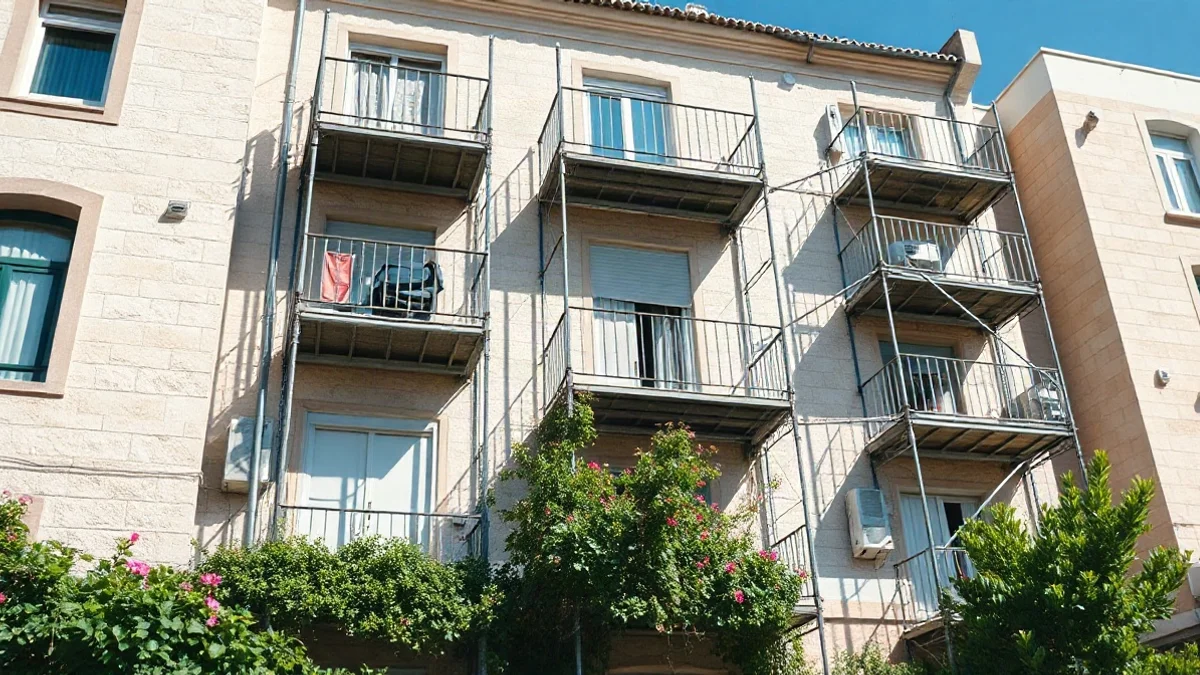
The residential real estate sector in Israel is facing a complex crisis. Contractor sales have been at a low for a long period, and secondary market transaction volumes remain relatively low compared to previous years. The decline in apartment prices has also transformed urban renewal, leading to the suspension of numerous projects for re-evaluation. Concurrently, rising construction costs and the expiration of the TAMA 38 framework before the approval of alternative plans in most local authorities are heavily impacting the market.
Significant Drops in Tel Aviv and Jerusalem
According to data from Madlan analyzing building permit applications for TAMA 38 and evacuation-reconstruction projects across eight major Israeli cities during the first half of 2026 compared to the same period in 2025, total planned housing units dropped by 51%. Across all eight cities, the total number of additional housing units in permit applications fell from 9,577 in 2025 to just 4,717 in the first half of 2026.
In Tel Aviv, permit applications plummeted by 83% to 998 housing units, down from 5,775 in the first half of 2025. Jerusalem saw a 70% drop, falling from 2,809 units to 849 units. Ramat Gan recorded a 45% decline down to 143 units, while Herzliya and Rishon LeZion saw slight decreases of 7% and 4% respectively.
Surges in Haifa and Holon
Conversely, Haifa and Holon experienced sharp increases in activity. Haifa saw a massive 465% surge, jumping from 285 units to 1,609 units, while Holon recorded a 317% spike, rising from 201 units to 839 units. Ra'anana also saw an 86% increase, reaching 93 units.
Experts note that cities with declining permit numbers currently hold significant unsold inventories, which, combined with falling housing prices, reduces project profitability and stalls developer initiative. Meanwhile, government authorities are working on alternative frameworks and urging municipalities to expedite pending applications to support the sector.