Urban Renewal Dilemma: Why Developers Are Cutting Promised Apartment Deliverables
Israeli urban renewal projects face widespread renegotiations as developers seek to reduce promised deliverables due to surging construction costs and unrealistic initial offers.
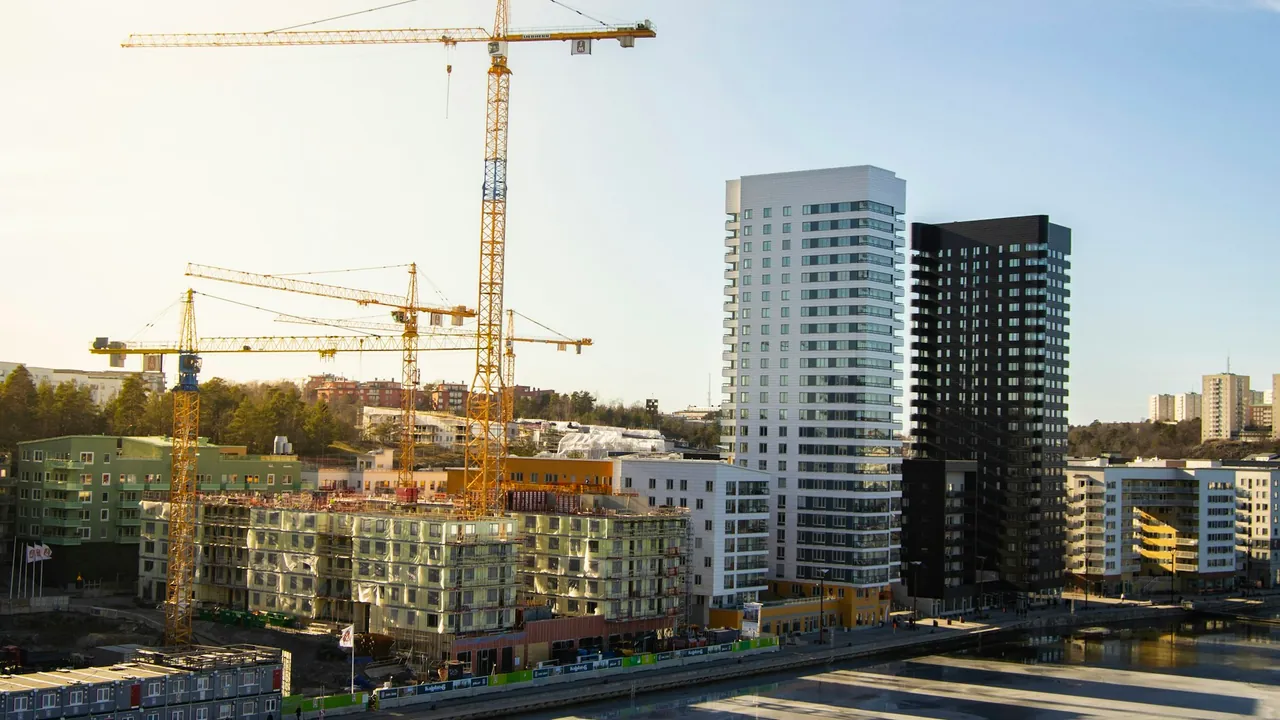
The urban renewal sector in Israel is facing a growing trend of developers attempting to reopen signed agreements and reduce the benefits promised to apartment owners. According to real estate appraiser Shmulik Cohen, CEO of SK Real Estate Appraisal, this phenomenon stems from a mix of unrealistic initial promises and severe macroeconomic pressures.
The Anatomy of Broken Promises
Cohen estimates that between 50% and 60% of residential complexes with signed commercial agreements are currently grappling with demands to alter project deliverables. However, he points out that the root causes are split evenly between market realities and poor initial vetting.
"Half of the problems regarding reduced deliverables do not stem from market economic considerations at all," Cohen notes. "Owners chose the developer who offered the most, but those offerings could not withstand the test of reality." The remaining 50% are driven by a 15% to 20% surge in construction costs over the past two years, coupled with a widening gap between developers' projected revenues and current apartment market conditions.
When Developers Are Right—And When They Exaggerate
Examining specific projects across different cities highlights the fine line between legitimate adjustments and excessive demands. In one Jerusalem residential tower project, owners were originally promised an additional 30 square meters per new apartment. The developer later requested a modest reduction of just five square meters. After reviewing the data, Cohen confirmed that the adjustment was justified.
Conversely, in a Tel Aviv project within District 4, a developer promised an unrealistic 28-square-meter addition. When market conditions shifted, the developer attempted to slash not only the square footage but also eliminate rental allowances, remove enhanced guarantees, lower technical specifications, and demand that each resident contribute 111,000 shekels toward construction costs. While most concessions were ultimately negotiated, the demand for resident-funded construction costs was firmly rejected, and the final square footage addition was reduced from 28 to 10 square meters.
Turning Concessions Into Opportunities
While reducing deliverables is painful, Cohen emphasizes that owners must evaluate the broader picture. A brand-new apartment, even with slightly reduced square footage, typically boasts a market value 60% to 80% higher than the older property, alongside a secure reinforced room (mamad), parking, storage, and modern amenities.
Nir Shmul, CEO of the Urban Renewal and Development Company, shares this cautious approach: "A signed agreement must be respected. Declining housing prices or shrinking profitability are not, in themselves, sufficient reasons to reduce deliverables to apartment owners. These are business risks that developers must calculate."
However, experts suggest using these renegotiations as leverage. Owners can demand adjustments to profit-sharing mechanisms—such as lowering the profitability threshold from 18% to 16%—allowing residents to secure financial upside if the project's profitability rebounds in the future.