Urban Renewal Authority Urges Municipalities to Review Betterment Levies
Israel's Urban Renewal Authority urges municipalities to review betterment levy rates ahead of the May 2027 deadline, warning that inactive cities will automatically default to a 25% tax.
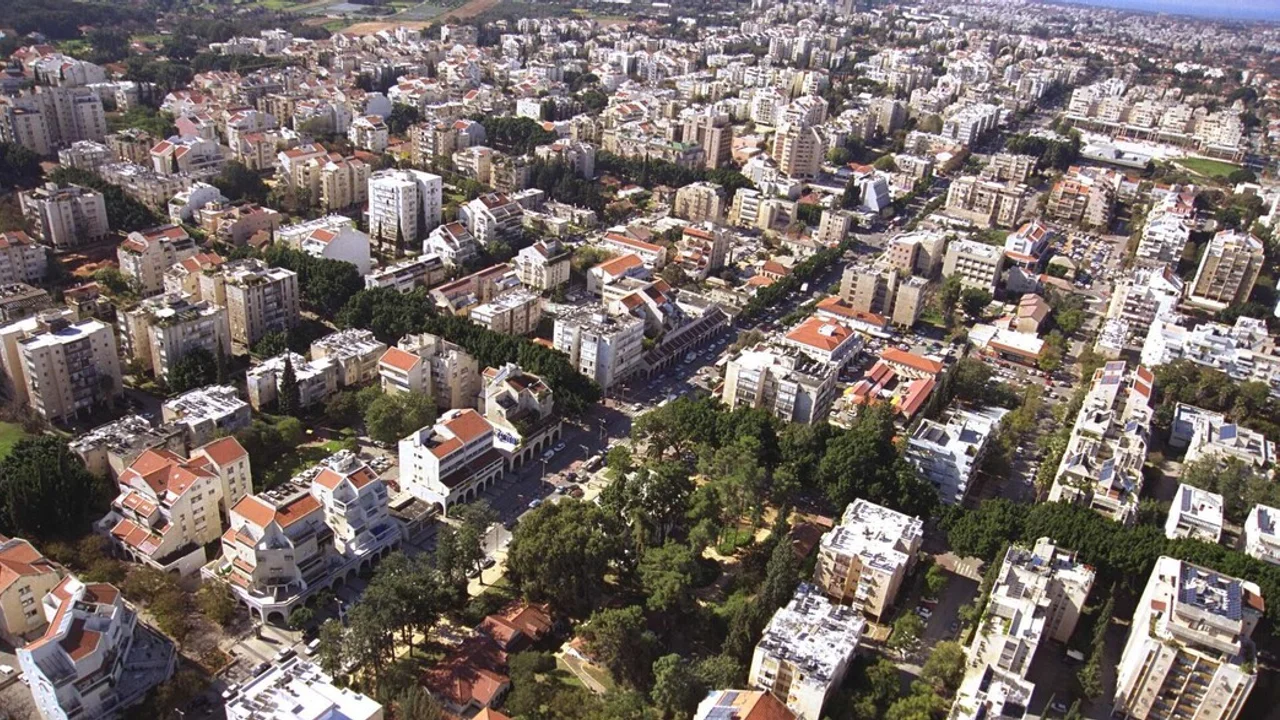
Municipalities across Israel have been instructed by the Urban Renewal Authority to re-evaluate and update their betterment levy rates for urban renewal projects ahead of the upcoming expiration date in May 2027. Under a framework established in the 2021 Economic Arrangements Law, a default betterment levy of 25% was set, while granting local authorities the discretion to divide their cities into zones with rates ranging from 0% to 50%.
In a formal letter sent to local authorities, Arbel Altshuler, Deputy CEO of the Urban Renewal Authority, emphasized that municipalities failing to submit an updated zoning and rate map before the deadline will automatically default to a uniform 25% betterment levy across their entire jurisdiction. Current policies vary widely; for instance, Jerusalem applies a 0% levy citywide, whereas smaller authorities such as Azor enforce the maximum 50% rate.
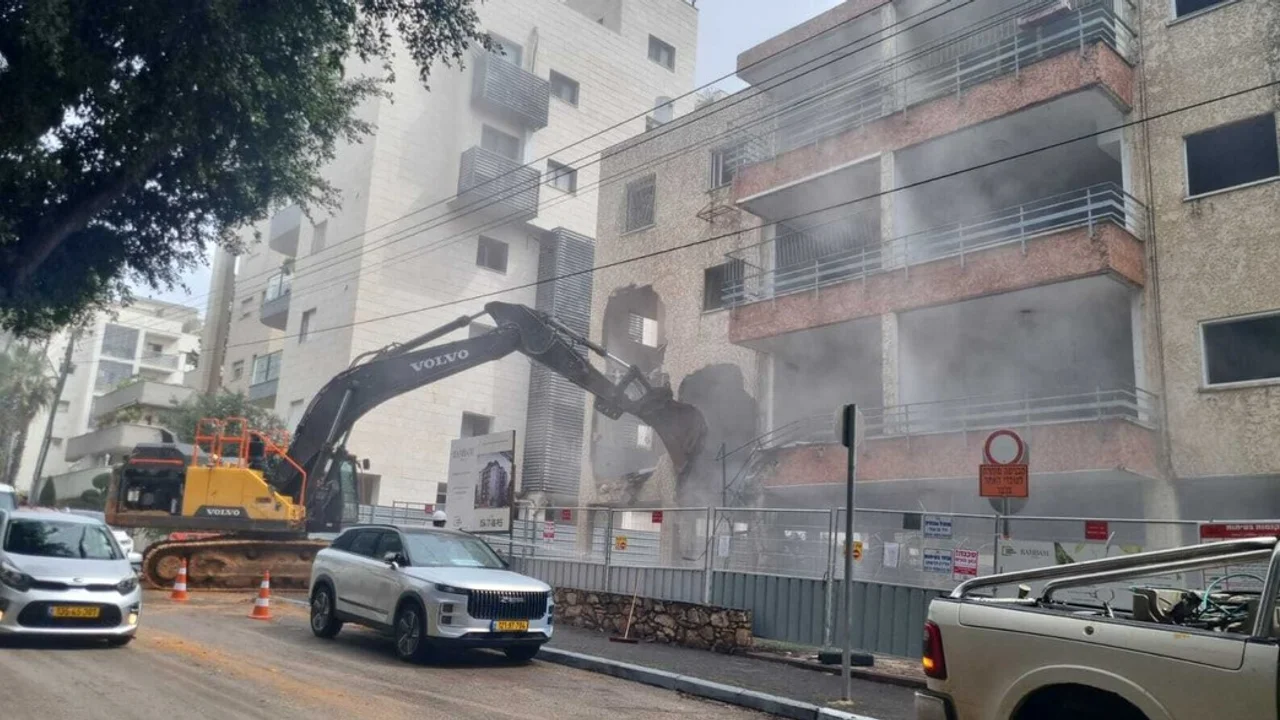
Altshuler highlighted ongoing market bottlenecks, noting that a 50% levy in high-value areas has frequently rendered projects economically unfeasible for developers, leaving numerous urban renewal sites stalled. The Authority advised local councils to carefully weigh critical factors before setting new rates, including land values, current and projected density, municipal development needs, and the direct impact of the levy on project viability.
Furthermore, the Authority reminded officials that various state-backed support programs—such as the allocation of supplementary land plots by the Israel Land Authority or subsidies for deficit-ridden projects—often require local authorities to grant a full tax exemption or limit the betterment levy to no more than 25%. At the same time, the state acknowledges that betterment levies serve as a primary funding source for municipal infrastructure and public institutions.
To ensure transparency, municipalities intending to modify their zoning maps must publish formal notices in official gazettes, local newspapers, and on municipal websites at least 30 days prior to a formal vote in the city council. These regulatory shifts coincide with recent inter-ministerial recommendations from July aimed at overhauling the complex and dispute-ridden betterment levy mechanism, which currently generates massive case backlogs, particularly in Tel Aviv.