British Woman Unable to Urinate Independently Five Years After Medical Emergency
A 29-year-old British mother has been unable to urinate independently for five years after a sudden medical emergency drained 2.5 liters of fluid from her bladder, leaving doctors searching for a definitive diagnosis.

Kirsty Scotern, a 29-year-old from Nottingham, England, was rushed to the hospital by ambulance in April 2021 after noticing severe abdominal swelling. Doctors at Queens Medical Centre drained 2.5 liters of urine from her bladder. Five years later, now a mother of two, she remains unable to urinate independently.
Despite a series of medical examinations, Scotern states that doctors have yet to determine the exact cause of her condition. The ordeal began with a severe migraine when she realized she had not urinated since the previous night, despite drinking water and attempting to stimulate urination. Her 33-year-old husband, Justin, called an emergency ambulance. Although hospital staff performed a brain MRI to check for a neurological link to the migraine, they concluded there was no connection and discharged her with a urinary catheter.
Ongoing Uncertainty and Suspected Fowler's Syndrome
Approximately two weeks later, after the catheter was removed, Scotern still could not pass urine. She suspects she suffers from Fowler's syndrome, a rare medical condition that prevents young women in their twenties and thirties from emptying their bladders normally. However, medical professionals remain uncertain. She believes doctors hesitate to diagnose the syndrome due to a lack of widespread awareness.
According to the U.S. National Institutes of Health (NIH), Fowler's syndrome causes acute urinary retention in young women due to dysfunction in the urethral sphincter muscle. Treatment options for some patients include a sacral neuromodulator, often referred to as a bladder pacemaker. This implanted device allows patients to stimulate bladder function using a remote control.
Medical Investigations and Daily Management
Initially, physicians at City Hospital suspected her condition might be linked to a long-term migraine medication. However, stopping the medication brought no improvement. Subsequent treatments, including botox injections to relax the pelvic muscles, CT scans, and urodynamic testing, also failed to provide definitive answers.
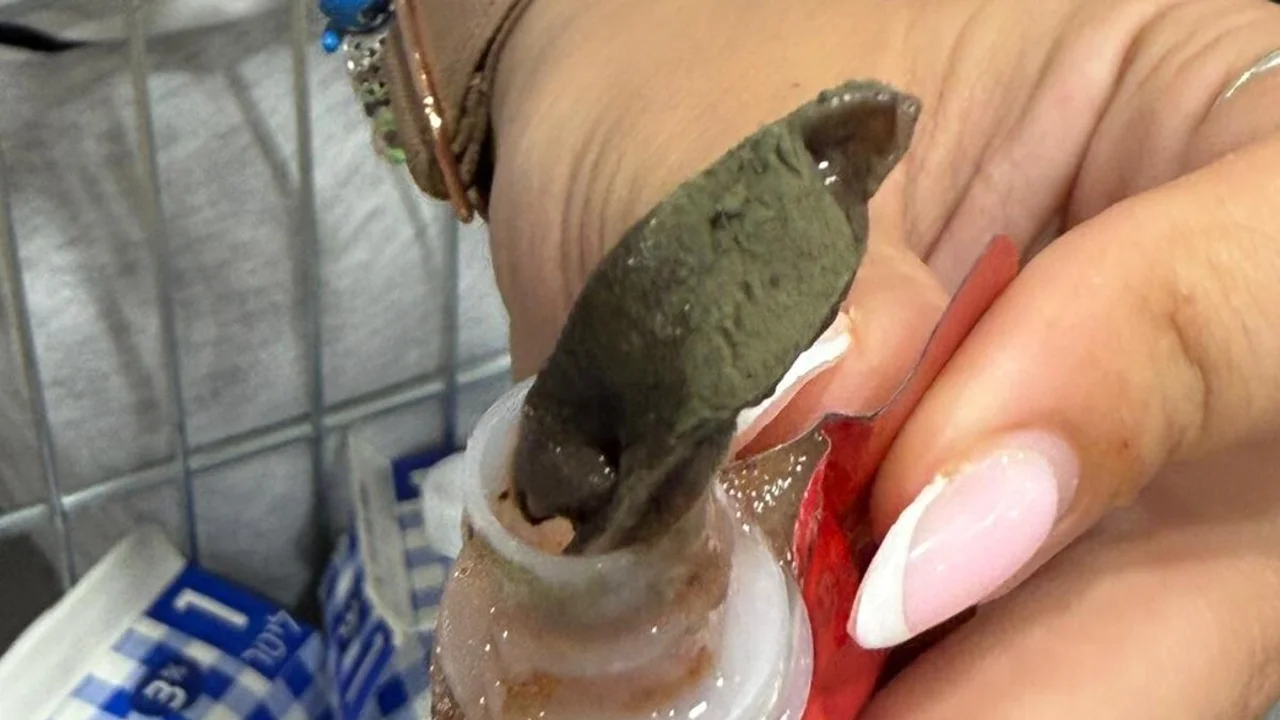
Today, Scotern manages her condition by using intermittent self-catheterization. She sets phone reminders every four hours to empty her bladder, as she lacks normal sensations of fullness until her bladder is critically distended. She carries a special accessible restroom key and a Can't Wait card, though public misunderstandings still pose challenges.
Finding online support groups on Facebook and Instagram has helped her cope, but she acknowledges the daily hurdles. Addressing others facing similar conditions, she offered encouragement: You adapt, and it becomes easier over time.