ENT Specialist Shares Personal Ordeal with Sudden Hearing Loss
An Israeli ENT specialist who suffered sudden sensorineural hearing loss in his right ear shares his personal ordeal, urging patients to seek immediate medical care rather than waiting.
An ear, nose, and throat specialist recently experienced sudden sensorineural hearing loss in his right ear, a condition he had treated for years but never faced personally. Dr. Shai Shemesh, an ENT and head and neck surgeon at the A.R.M. Medical Center, woke up to a sudden loss of hearing accompanied by pressure, a plugged-ear sensation, and ringing.
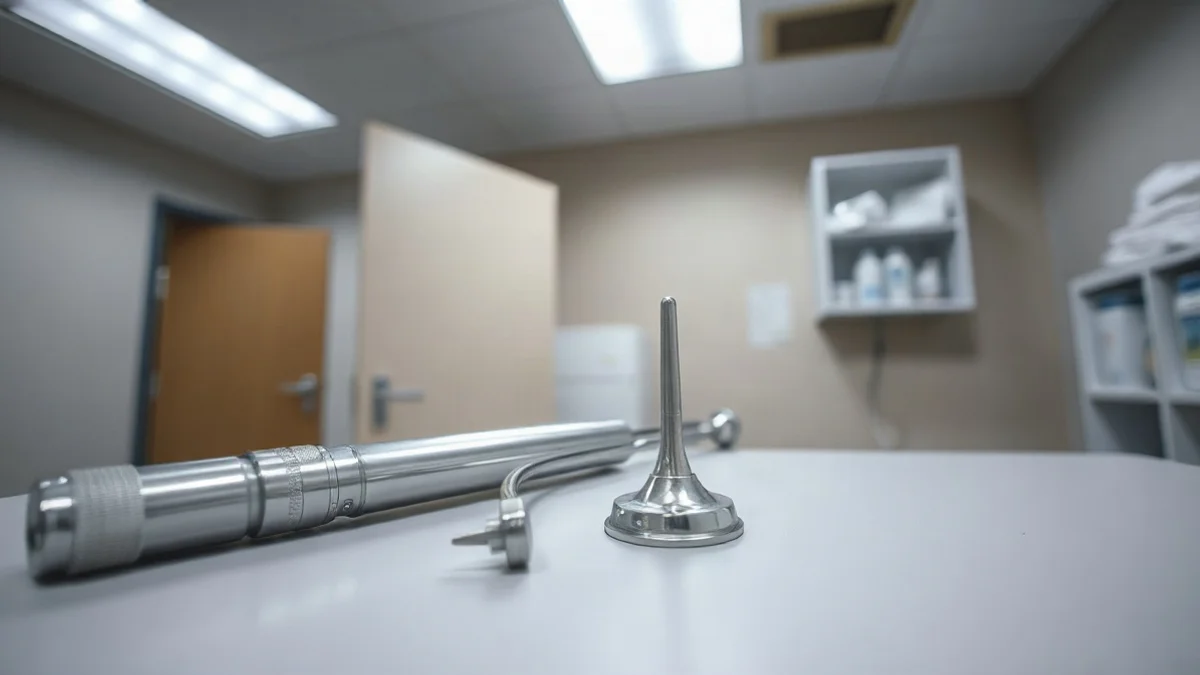
Using an endoscope connected to his phone, he ruled out physical blockages before confirming the sensorineural nature of the drop with a tuning fork test. Despite his professional expertise, the sudden disability triggered profound anxiety. After three days of oral steroid treatment with no improvement and lingering tinnitus, his hearing gradually began to recover, returning to normal within ten days.
The Importance of Early Detection
Sudden sensorineural hearing loss develops rapidly within minutes to 72 hours, typically affecting one ear and often accompanied by dizziness or a feeling of fullness. Many patients mistakenly attribute these symptoms to earwax or fluid buildup, delaying medical evaluation for weeks or even months. Dr. Shemesh emphasizes that waiting significantly diminishes the chances of recovery.
Treatment Options and Symptoms
Standard therapy involves oral steroids, sometimes supplemented by intratympanic steroid injections or hyperbaric oxygen therapy if administered within the critical window. Potential causes remain elusive, though viral infections, inflammatory processes, and vascular disruptions in the inner ear are primary suspects.
Key warning signs requiring urgent evaluation include:
-
Sudden hearing drop, predominantly in one ear.
-
A sensation of pressure or fullness.
-
Onset of tinnitus or ringing.
-
Muffled or distorted acoustic perception.
-
Accompanying dizziness or vertigo.
Reflecting on his recovery, Dr. Shemesh noted that the personal ordeal transformed his empathy for patients facing similar uncertainty.