Israeli Courts Crack Down on Motorists Failing to Attend Traffic Fine Hearings
Israeli district courts have issued a series of rulings tightening rules for motorists seeking to overturn traffic fine convictions after missing court hearings or ignoring registered mail.
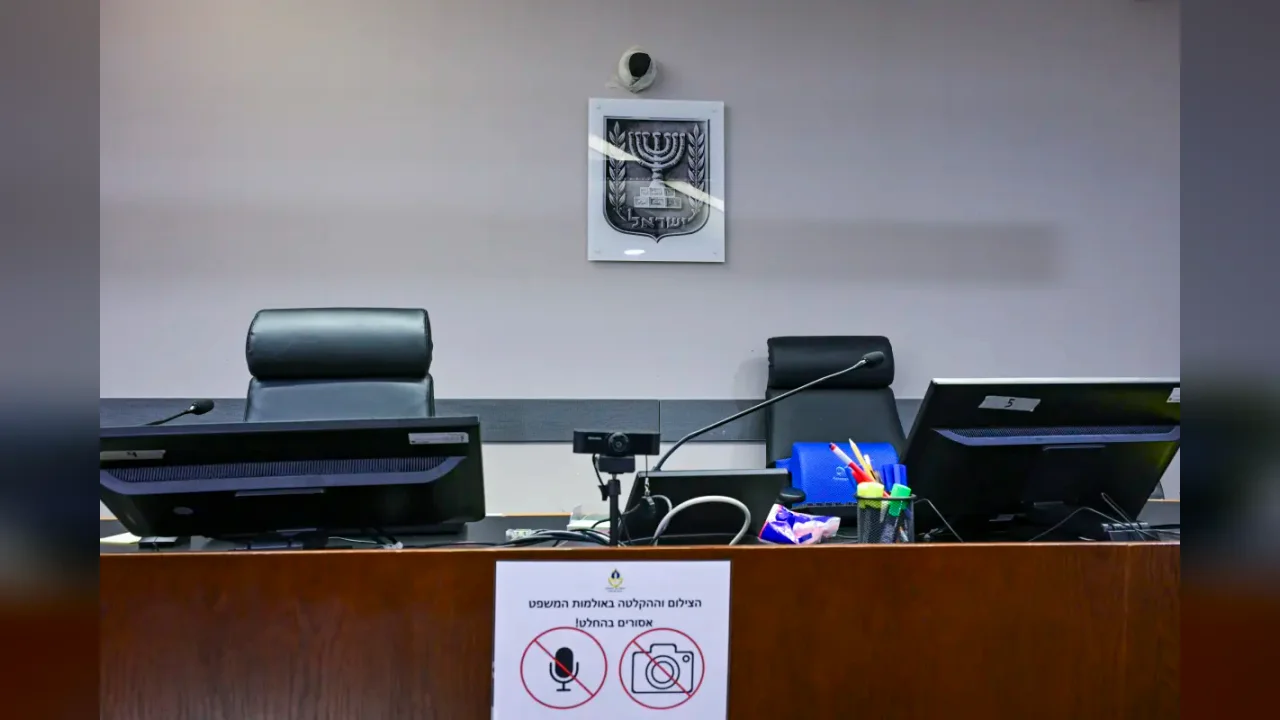
A series of recent rulings by Israeli District Courts between August and October 2026 highlights a strict judicial approach toward motorists attempting to overturn traffic fine convictions in absentia. Drivers who fail to attend scheduled court hearings or neglect to collect registered mail face steep hurdles in annulling their penalties, according to recent legal decisions.
Under Section 130(h) of the Criminal Procedure Law, individuals who request a trial for parking tickets but subsequently miss the hearing must establish either a justified reason for their absence or demonstrate that upholding the conviction would result in a miscarriage of justice. Similar rigorous standards apply to late requests for trials under Section 230 of the same statute.
Court Rejects Excuses and Absentee Appeals
In a ruling on October 12, Tel Aviv District Court Judge Noa Tavor dismissed an appeal by a motorist who parked two Autotel car-sharing vehicles beneath a no-stopping sign. The appellant claimed that a traffic accident and difficulties finding parking prevented him from attending the court session. Judge Tavor rejected the argument, emphasizing that motorists bear full personal responsibility for tracking hearing dates in their calendars, noting that while text reminders are ideal, courts are under no legal obligation to provide them. The 500-shekel fine was upheld.
In a similar decision handed down in September, Nazareth District Court Judge Moran Margalit ruled that a driver who fails to collect registered mail cannot subsequently claim ignorance of a traffic penalty. In another case handled by Judge Tavor involving a municipality penalty, an appellant attempted to transfer a fine to his own name after the statutory deadline had passed, citing caretaking responsibilities for his 105-year-old father and the distance of a parking lot. The court found no special justification to overturn the penalty.
Strict Stance on Accessibility Violations
Judicial strictness also applies to urban parking infractions. On October 5, Tel Aviv District Court Judge Limor Bibi dismissed an appeal from a female driver who parked her vehicle in a painted zone between two disabled parking bays in Ramat HaSharon and subsequently failed to appear at her March 16 hearing. The appellant cited wartime logistical challenges without providing supporting documentation. Judge Tavor noted that parking in such designated intermediary spaces remains strictly prohibited even for vehicles displaying official disability permits, leaving the 500-shekel fine intact.
Municipalities Held Accountable for Signage
Conversely, strict judicial oversight applies equally to local authorities. The Municipality of Ramat HaSharon appealed the acquittal of Noam Shintel, who had been ticketed twice for parking on the left-hand side of a dead-end street where the no-parking sign was posted exclusively on the right-hand side. Judge Bibi upheld the acquittal, ruling that traffic signs apply solely to the side of the road on which they are erected. Furthermore, the court criticized the municipality for failing to disclose that it had subsequently erected an additional sign on the left side further down the road. The municipality was ordered to pay 1,000 shekels in legal costs for needlessly compelling the motorist to undergo a second court appearance.
Legal experts emphasize that motorists seeking a trial must diligently track court dates, retrieve registered postal notices, and petition in advance in writing with proper documentation for any necessary postponements.