Ancient Food Preservation Techniques: Traditional Wisdom Meets Modern Science
Explore how traditional Nigerian food preservation methods like drying, smoking, and fermentation combine ancient culinary wisdom with modern food safety science.
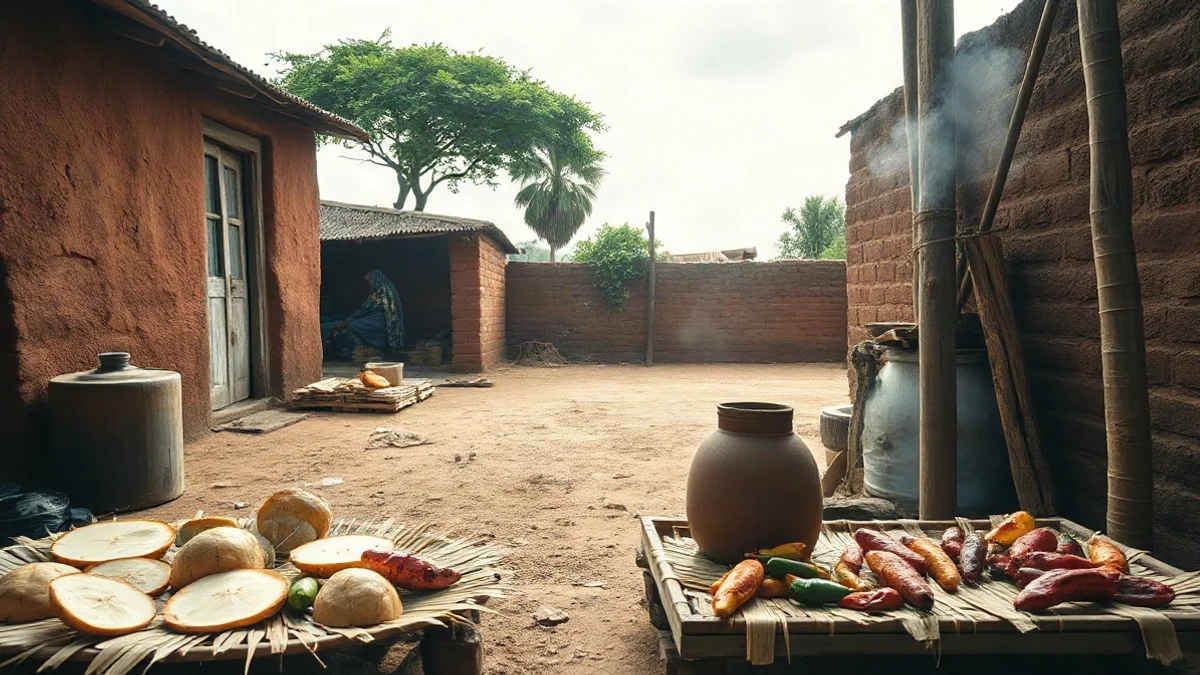
While modern kitchens rely heavily on refrigerators and freezers to keep ingredients fresh, centuries of culinary tradition prove that food preservation is an art form extending far beyond the appliance. Across various communities in Nigeria, time-honored methods such as drying, smoking, salting, and fermentation have long served to process seasonal harvests, reduce waste, and extend shelf life without continuous refrigeration.
The Science Behind Ancient Methods
At the core of these traditional practices lies modern microbiology: reducing available water, altering acidity levels, and modifying environments to inhibit microbial growth. Drying and salting lower water activity, preventing bacteria and molds from thriving. Meanwhile, controlled lactic fermentation drops pH levels, creating an acidic barrier against harmful pathogens.
Adapting Traditional Techniques Safely
Home cooks looking to incorporate these methods into their routines must blend ancient wisdom with strict food safety protocols. While drying herbs or making homemade dried fruit in a food dehydrator is straightforward, processes like curing meat or fermenting cassava require precise, tested guidelines to avoid health risks.
Emergency Food Safety During Power Outages
It is vital to distinguish between long-term preservation and emergency measures. Traditional methods cannot instantly salvage perishable items when power fails. During an outage, keeping refrigerator and freezer doors closed is the best defense, maintaining safe temperatures for hours without relying on improvisational curing.