Inside the 27 Million Shekel Budget of Israel's New Survivor Season
The new season of Survivor premieres with a massive 27 million shekel budget, marking a crucial test for Reshet 13 under new owner and Wiz co-founder Asaf Rappaport.
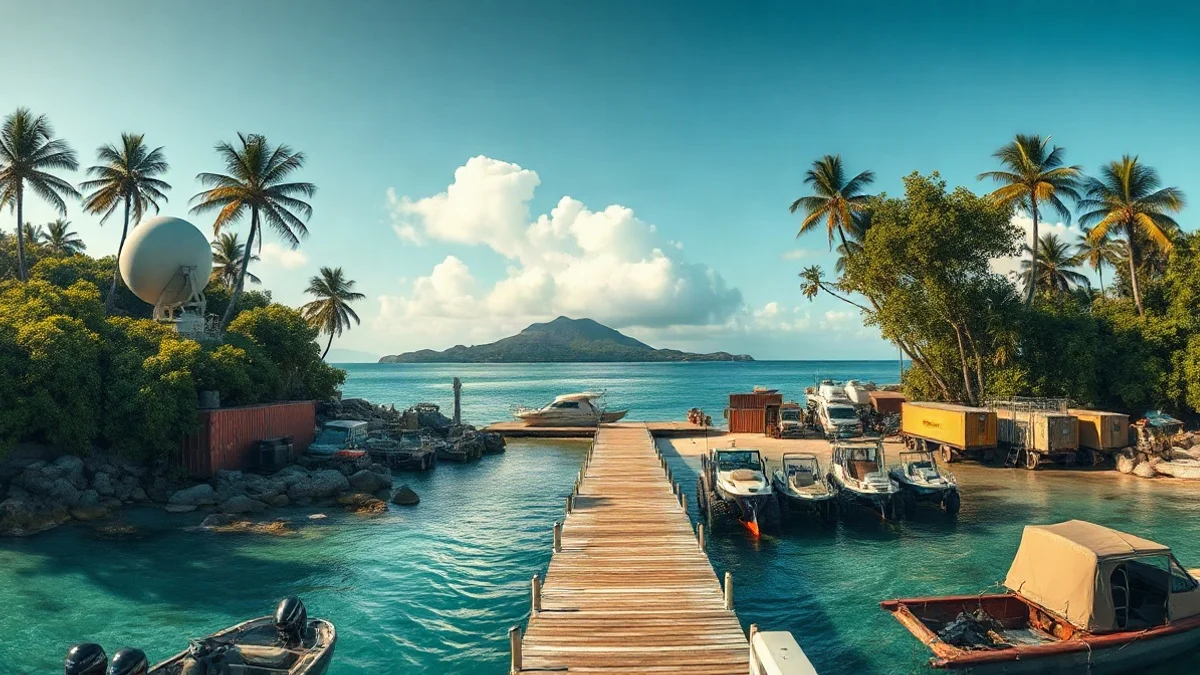
The new season of the long-running reality TV show "Survivor" is set to premiere this coming Saturday, sending a fresh group of contestants to a remote island in a fierce battle for the coveted title and the one-million-shekel grand prize. Among this season's participants are karate master Shay Haim, Channel 14 panelist Avi Shoshan, and musician Stephane Legar. Beyond the dramas, alliances, and exhausting challenges, however, lies one of the most complex, ambitious, and expensive operations in the local television industry.
While the American version of the international format reaches a staggering budget of about $35 million per season, we examined what it costs to produce the Israeli adaptation - and the behind-the-scenes numbers are fully revealed. The cost of an entire season is estimated at approximately 27 million shekels, with the bulk of this capital fueling a massive logistical apparatus operating 24 hours a day for months.
Logistics and Operations
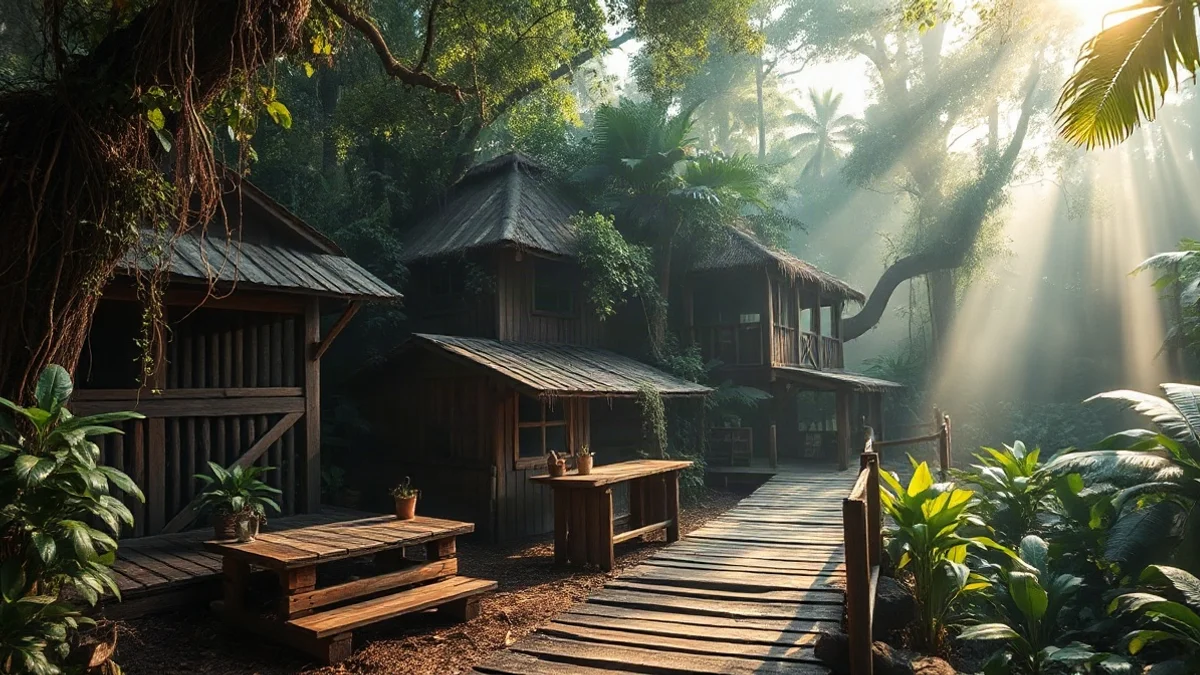
The heaviest and most demanding budget item stands at around 9 million shekels, dedicated entirely to logistics, transport, and hospitality. Flying an Israeli delegation of about 200 staff members to a remote tropical destination requires hundreds of plane tickets, work visas, and special insurance policies. Beyond that, it involves building an entire production village from scratch, securing residential complexes and hotels, transporting equipment containers, generators for continuous power supply, satellite communication systems, and a fleet of motorboats, helicopters, and off-road vehicles for daily crew transport in harsh terrain.
Technical Equipment and Crew
Another staggering sum of about 9 million shekels is allocated to technical equipment, shooting days, and manpower. The show is filmed continuously for about 40 days, requiring dozens of cameras resistant to extreme heat, water, and humidity, along with drones, night-vision cameras, and advanced sound equipment. Alongside the gear, this item finances around-the-clock wages for filming, directing, and content crews, medical personnel, rescue companies, and local security operating in continuous shifts.
Art, Post-Production, and Prizes
The remaining budget is divided among several key departments: about 3.5 million shekels are invested in the art and challenges department, whose engineers design and create massive wooden, metal, and rope structures alongside the construction of the magnificent Tribal Council set. The post-production and editing phase is estimated at about 2.5 million shekels, as every hour of broadcast requires long months of sorting, editing, visual effects, and an original soundtrack for hundreds of hours of raw footage.
Finally, about three million additional shekels are allocated to the grand prize of one million shekels, host Guy Zu-Aretz's salary, international franchise fees, legal and psychological support for contestants, and emergency budgets for disruptions caused by tropical storms and severe weather conditions.
A Major Test for Wiz Co-Founder Asaf Rappaport
As known, the heavy investment in the new season gains special significance in the new era of Reshet 13, under its new owner - tech entrepreneur and Wiz co-founder Asaf Rappaport. Rappaport, who recently completed the acquisition of a controlling stake in the channel and committed to injecting hundreds of millions of shekels into it to stabilize the network and compete head-to-head against Keshet 12, views high-rating formats as a critical growth engine.
The massive 27-million-shekel budget for "Survivor" effectively represents one of the first and most significant content and management tests in the Rappaport era: whether the giant investments in flagship reality TV will succeed in luring viewers back to the screen, proving that the tech giant's financial gamble on commercial television indeed pays off.