Common Strength Training Mistake That Causes Severe Knee Pain
Experts warn that improper strength training technique, such as inward knee collapse during squats, significantly worsens joint pain. Proper form and footwear are vital.
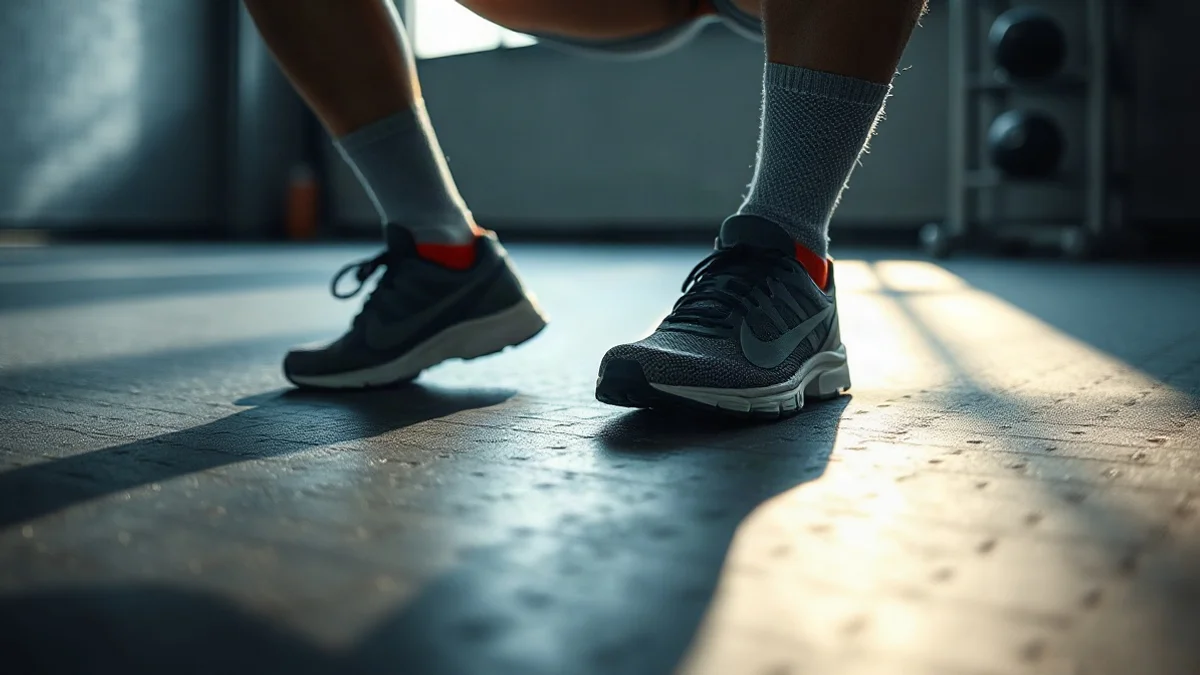
Knee pain is a common issue, especially among older adults, but many are unaware that incorrectly performed strength training can worsen the condition. While muscle strengthening is essential for preventing and treating knee problems, poor technique can create excessive joint stress and increase pain risk.
Identifying the Valgus Collapse
The central mistake occurs when the knee fails to stay in a straight line with the foot, collapsing inward—a movement known as a valgus collapse. This flaw causes the joint to absorb far more pressure than intended, making it highly vulnerable to injury. Practitioners can easily spot this issue by observing themselves in a mirror during exercises. It is critical to ensure that during squats, lunges, or leg presses, the knees always point in the exact same direction as the toes.
Root Causes and Proper Adjustments
Sometimes the problem stems purely from a momentary lack of attention to form. However, inward knee collapse frequently signals deeper physiological issues, such as weakness in the glutes or core muscles, or restricted ankle mobility. If maintaining correct alignment proves difficult despite diligent effort, consulting a physical therapist is strongly recommended to diagnose the root cause and prescribe targeted corrective exercises.
"If you experience new pain or a worsening of existing discomfort, it is crucial to consult a physician or physical therapist for an accurate diagnosis and a suitable rehabilitation program."
Additional mistakes to avoid include wearing worn-out or unsupportive footwear, which compromises stability and forces the knees and hips to absorb unnecessary shock. Experts advise replacing athletic shoes at least once a year or after approximately 500 kilometers of cumulative use. Furthermore, completely avoiding strength training due to existing pain is a counterproductive mistake that weakens supporting muscles and exacerbates chronic issues. Instead of quitting exercise, individuals should modify their routines through seated movements, supportive suspension straps, or water-based activities.