Security sources: IDF has captured the Ali-Tahar ridge in southern Lebanon
The mountain ridge, defined by the head of Aman as a critical area for Hezbollah, separates the Litani River from the Nabatieh plateau, with its peak at the Beaufort ridge. The Chief of Staff and the Minister of Defense pushed to capture the ridge, despite fears of international criticism. Some of the infrastructure there served two purposes: raids on the Galilee and dealing with an IDF ground maneuver.
The IDF has captured the Ali-Tahar ridge and controls most of it, according to official security sources. Due to political sensitivity, it was decided to freeze the tactical maneuver situation.
The Ali-Tahar mountain ridge in southern Lebanon separates the Litani River from the Nabatieh plateau, with its peak at the Beaufort ridge opposite Metula. In one of the IDF's sensitive situation assessments with the political echelon, the ridge was defined by the head of Aman, Major General Shlomi Binder, as a critical area for Hezbollah, and a professional discussion was held on whether and how much of it to capture.
Iranians and Hezbollah invested significant resources over about twenty years, some of which were based on IDF positions and infrastructure that Israel left behind during the withdrawal in 2000. Iranian engineers and Lebanese contractors in the service of the Shiite organization built extensive and independent underground systems, advanced military positions with an offensive logic of direct and indirect fire, command and control centers, weapons depots, living and staging rooms for ground maneuvers, and resilience to IDF airstrikes.
Part of the infrastructure served two main processes: raids on the Galilee and dealing with a future IDF ground maneuver into the heart of Lebanon.
The Chief of Staff refined the plans
Minister of Defense Israel Katz and Chief of Staff Lieutenant General Eyal Zamir recommended and pushed to capture the entire ridge, both its upper and lower parts, despite fears of international criticism, primarily from the USA. In the background, warnings and messages were heard from the Lebanese government, which warned against escalation. The Iranians also tried to convey clear messages to the USA within the framework of the negotiations while trying to force an equation against Israel as long as IDF soldiers occupy parts of the ridge and threaten a response.
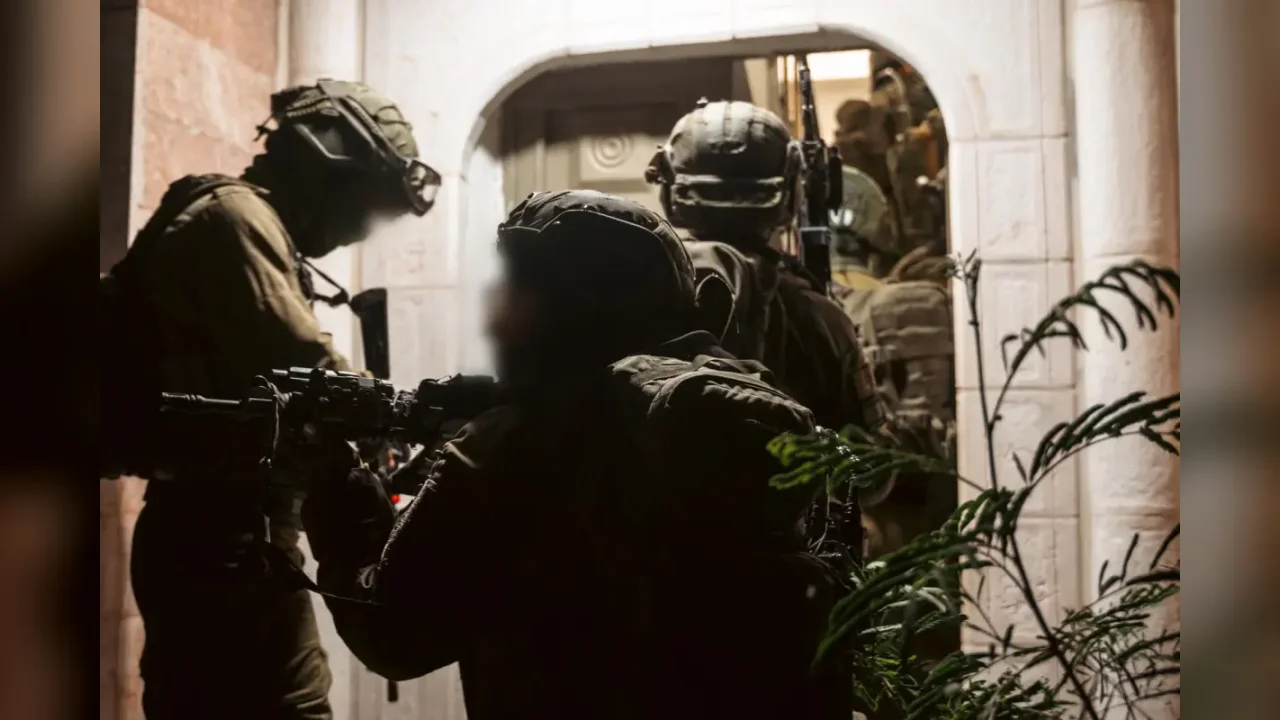
According to security sources, the Chief of Staff refined the Northern Command's operational plans in light of the complex topographical terrain, regional political pressures, and developments on the ground, and eventually, the forces set out for implementation in stages. After the Beaufort infrastructure was destroyed by engineering forces with hundreds of tons of explosives, the Chief of Staff approved the next stages, and the lower part of the ridge was also captured, thus completing the sensitive move.
According to estimates by officials in the security establishment, some of the Hezbollah terrorists died in the underground systems, some are surviving thanks to food they stored before the capture of the ridge, and according to reports, some are trying to receive food supplies from the area.
Decision to freeze the situation
According to reports, elite IDF forces operating in the area are thwarting any attempt to bring in supplies. One of the senior officials estimated that the Hezbollah terrorists do not intend to surrender and will likely remain underground despite the distress until death. Anyone who comes out with a white flag will be spared and transferred for interrogation in Israel.
At this stage, due to political sensitivity with the USA and the negotiations between Jerusalem and Beirut, it was decided to freeze the tactical maneuver, surround the areas where the terrorists are besieged, and wait in high alert for developments: surrender, combat, or disruption and thwarting of intentions to supply the terrorists.