Israeli Businessman Sentenced to Prison for Smuggling Bomb-Making Materials to PA
An Israeli businessman and a truck driver were sentenced to prison and community service in Lod for smuggling dual-use agricultural materials to the Palestinian Authority that were used to manufacture explosives.
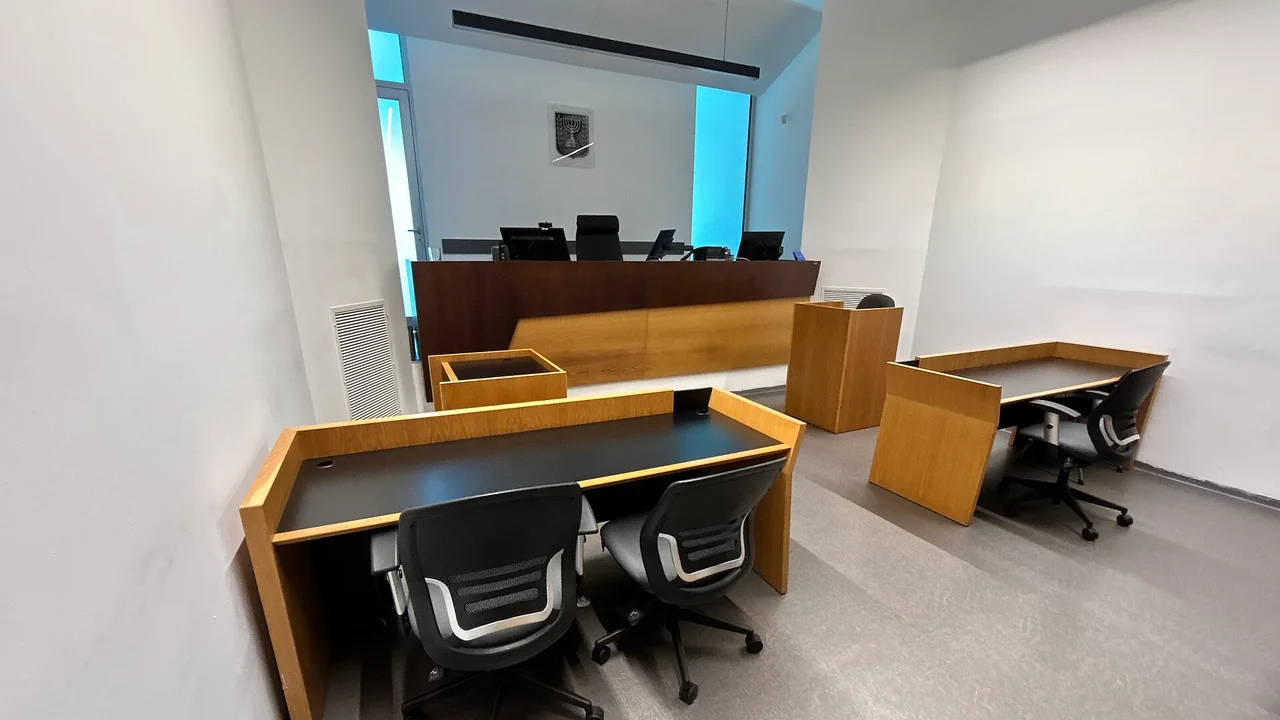
An Israeli businessman and a truck driver have been sentenced by the Central District Court in Lod for systematically smuggling dual-use agricultural materials to the Palestinian Authority, some of which were used by terror elements to manufacture explosives. Yehezkel Moshe, 67, the owner of an agricultural supply business, received 18 months in prison and a fine of 25,000 shekels after being convicted of providing means for acts of terror, violating export control orders, and conspiracy. His accomplice, 44-year-old truck driver Jehad Wazuz from East Jerusalem, was sentenced to nine months of community service and a 15,000-shekel fine.
Systematic Smuggling Despite Wartime Risks
According to the amended indictment, Moshe operated an illicit supply chain starting in 2019 alongside former employee Nidal Awada and Wazuz. Over a period of about six years, shipments were carried out roughly once a month. Moshe misappropriated restricted agricultural items from his inventory as a franchise holder and issued fictitious delivery notes falsely stating the goods were destined for the Etzion Bloc. Wazuz then transported the cargo past security checkpoints, delivering it to Awada in Hebron, who sold it to local clients.
Crucially, the operation continued even after the outbreak of the war and despite clear warnings. Between March and August 2024, four bombing attacks in Judea and Samaria utilized dual-use materials for explosive devices. In September 2024, a Hebron merchant who previously purchased materials from the defendants was arrested for supplying bomb-making components to terror groups. Despite knowing about the arrest and the severe security risks, the defendants smuggled prohibited materials on at least six subsequent occasions, including shipments of fertilizer, potassium nitrate, and urea.
Judicial Ruling and Sentencing Rationale
During sentencing hearings, the prosecution emphasized the severity of the offenses, arguing that the defendants continued their activities undeterred despite wartime realities. However, the state acknowledged that the men were motivated by financial gain rather than ideological intent to harm state security. Defense attorneys highlighted Moshe's lack of criminal record and the collapse of his 33-year-old business, while Wazuz's counsel noted his lesser role and the removal of security charges from his conviction due to evidentiary difficulties.
Judge Merav Greenberg rejected attempts to minimize the gravity of the actions, stating that the October 7 events fundamentally blurred the line between civilian and military use. "Every resource, ranging from construction materials and agricultural equipment to infrastructure and food, carries the potential for direct or indirect assistance to terror organizations," she wrote. The court underscored that Moshe was the primary instigator with full professional knowledge, though it factored in the lack of a settled penal policy for such smuggling offenses, opting for a gradual escalation in deterrence.