Forever Chemicals Discovered in Unsuspected Zones at Sde Dov Project
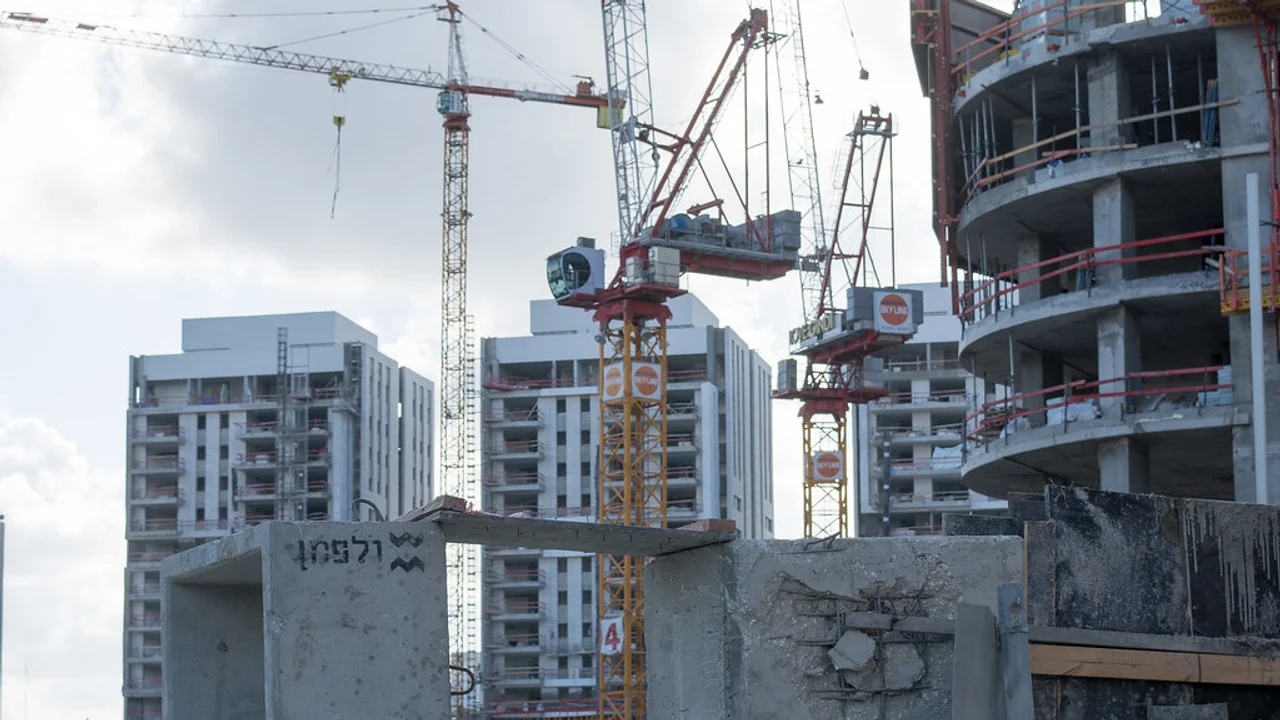
Hazardous PFAS chemicals have been discovered in supposedly clean areas at the Sde Dov development site in Tel Aviv, raising serious concerns for thousands of planned housing units.

Harmful chemical compounds have been detected in areas previously deemed unsuspected of PFAS contamination at the Sde Dov site in northern Tel Aviv, according to soil surveys published by the Ministry of Environmental Protection. These plots were initially assigned a low sampling density based on the assumption that no soil contamination existed, yet some have revealed threshold exceedances by tens of percents.
The Ministry of Environmental Protection confirmed the findings and stated that it has ordered an expansion of testing. However, heavy questions remain regarding the implications of building on land saturated with chemicals that global regulators are still struggling to manage safely. Sde Dov served for decades as a civilian and military airfield before its closure. Routine operations and drills utilized firefighting foams containing PFAS, a family of synthetic chemicals known as "forever chemicals" because they do not break down in nature or the human body, causing severe health risks.
In February 2026, the Ministry of Environmental Protection and the Israel Land Authority announced preliminary findings of PFAS contamination in soil and groundwater, initiating extensive soil surveys across the site. The Water Authority had already transmitted data indicating contamination back in 2022. Despite this, the ministry permitted the marketing of the land as clean, initiating inspections only in 2025. In July 2026, the ministry ordered the Tel Aviv Municipality to halt infrastructure works over fears that thousands of tons of contaminated or suspected soil had been transported across the site without adequate supervision.
The new Tel Aviv district is planned for this territory, featuring approximately 16,000 residential apartments alongside commercial spaces, offices, and hotel rooms. Out of the 18,000 planned housing units, roughly 7,000 have already been sold in tenders, and excavation and filling works have begun on several plots. Developers are now required to conduct extensive soil investigations, with current tests revealing widespread contamination, including in areas previously considered clean.
According to an analysis by environmental engineer and real estate appraiser Roni Brill, exceedances in sparsely sampled plots exceed regulatory thresholds by orders of magnitude. For instance, in Plot 301, exceedances were found in 22 out of 23 drillings (96%), reaching a maximum concentration of 100 times the regulatory threshold for PFOS. In Plot 303, exceedances were recorded in 100% of sampled drillings—both suspected and unsuspected—with maximum concentrations up to 600 times the threshold. In Plot 2206, PFOS exceedances of 10 times the limit were found in half of the drillings, even in areas previously deemed unsuspected.
The Ministry of Environmental Protection stated that survey findings indicate widespread PFAS contamination across the Sde Dov complex, including in areas not initially classified as suspected. Consequently, the ministry is instructing the continuation of soil investigations across all project plots, expanding tests and delineating contamination focal points. The ministry emphasized that the initial map of suspected areas was based on assessments of potential contamination sources and site characteristics, but comprehensive investigations are now covering all zones.
Major questions now loom over the future of these lands, as global experts debate whether to construct on areas with significant PFAS contamination. Treatment methods for these pollutants are limited and often involve transferring the contamination elsewhere due to disposal difficulties. The Ministry of Environmental Protection stated that each plot will be evaluated individually based on contaminant concentrations and designated land use, with risk assessments conducted for residents, workers, and the environment where soil remains on-site.