Stock Market vs Real Estate: Where Did Israeli Investors Fare Better This Year?
A comparative analysis of Israel's real estate market and the Tel Aviv Stock Exchange reveals that while major indices like the TA-35 surged 16%, real estate and construction stocks fell sharply amid a housing slowdown.

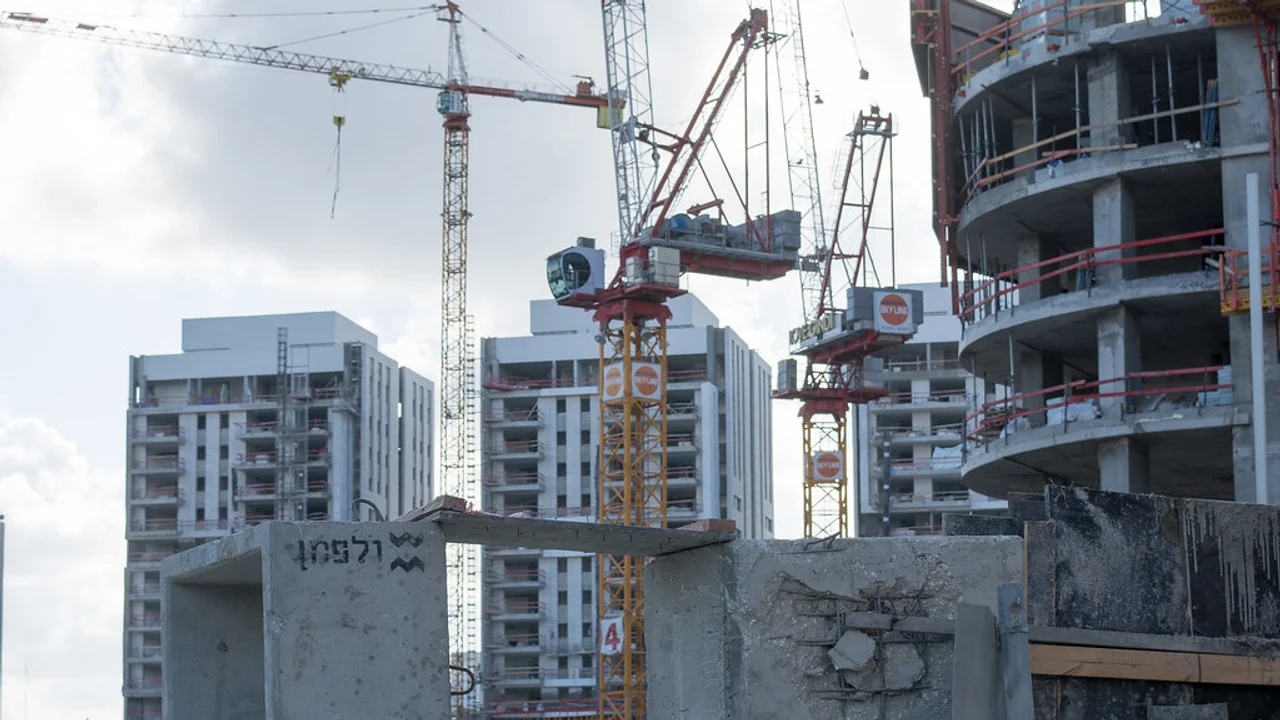
In recent months, some investment houses in Israel have waged what appears to be a concerted campaign against the real estate market. Contractors have struggled to push back against this narrative as broader market sentiment takes a toll. The central question facing investors this year is simple: what would have happened if funds were allocated to real estate stocks or construction equities instead of physical apartments?
Over the past year, the housing price index dropped by 1.8%. This slowdown follows years of robust growth in 2024 and particularly during 2021 and 2022, when the real estate index surged by more than 35% and housing prices skyrocketed. An investor who purchased an apartment in 2022 for 3 million shekels likely secured a profit exceeding 1 million shekels on the property.
Stock Market Performance vs. Housing
The current year is marked by a clear deceleration. Contractors are selling fewer apartments, the housing sector is sluggish, and the key debate centers on whether investing in the stock market at the beginning of the year proved more lucrative. An examination of leading indices on the Tel Aviv Stock Exchange provides a revealing comparison against housing prices.
The benchmark Tel Aviv 35 Index climbed 16% since the beginning of the year, while the Tel Aviv Banks Index recorded a solid gain of 9.63%. However, secondary indices yielded mixed results. The Tel Aviv 90 Index experienced earlier losses before narrowing its decline to just 0.9%. Meanwhile, the real estate index fell 5.19%, and the construction index dropped 7.58%, having previously plunged nearly 12% earlier in the week.
Investors who directed capital into the Tel Aviv 35, Tel Aviv 125, or banking stocks generated profits, whereas housing prices dipped. Consequently, the notion that the stock market outperformed real estate holds true exclusively for major large-cap indices. Within the stock market itself, real estate and construction equities fell significantly more than residential property prices, and the Tel Aviv 90 also retreated.
Tax Implications and Leverage
A direct comparison between stock index yields and the housing price index fails to capture the full picture, as each asset class operates under entirely different rules, associated costs, and profit mechanisms. The primary advantage of real estate investment lies in high leverage. An investor providing low equity while financing the remainder through a mortgage benefits from asset appreciation, which can generate high returns on equity during booming periods.
Conversely, this exposes the investor to heavy risk and negative yields when the market slows down and interest rates surge. Furthermore, while capital gains in the stock market are subject to a flat 25% tax, the real estate sector benefits from reduced purchase tax brackets for a primary residence and full tax exemptions on rental income up to a fixed monthly ceiling.
Ultimately, the sharp declines recorded this year in real estate and construction stocks reflect the sector's mounting challenges, including a high interest rate environment, severe labor shortages, and a slowdown in housing starts. The choice between equities and real estate ultimately depends on an investor's risk profile, liquidity requirements, and taxation structure.