IDF Reservists' Wives Demand Action Over Split Service Orders Threatening Benefits
Wives of IDF reservists demand Maj. Gen. Dado Bar Khalifa fix a loophole where split reserve duty orders across calendar years threaten crucial family benefits.

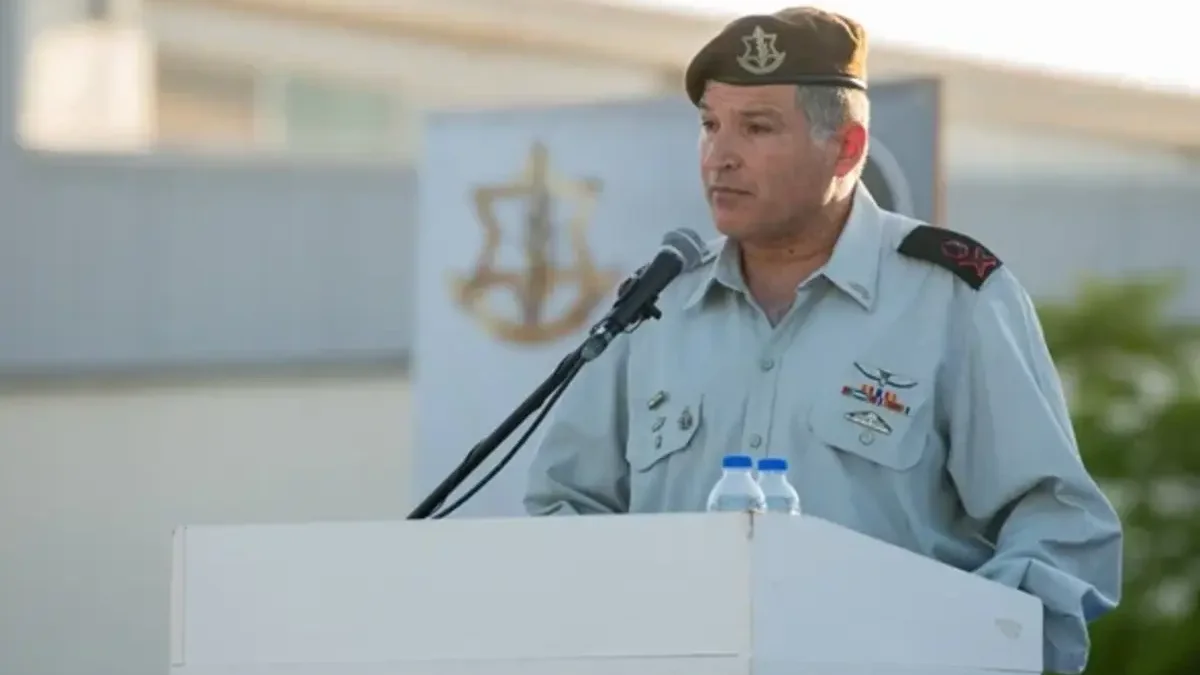
Wives of reservists serving in an armored battalion have appealed to the IDF Personnel Directorate chief, Maj. Gen. Dado Bar Khalifa, demanding a revision of criteria to prevent the loss of benefits caused by split reserve duty orders bridging two calendar years. The families warn that vital support, including mental health subsidies, student grants, and vacation vouchers, is at risk.
The appeal, submitted on October 20, highlights a looming crisis for families facing their fifth or sixth extended reserve deployment since October 7, 2023. According to the current mobilization order, soldiers are slated to begin a 99-day tour on November 22, 2026. However, because the service period is split across calendar years—with 40 days falling in 2026 and 59 days in 2027—the families may fail to meet the strict annual threshold required to qualify for cumulative benefits.
Mental Health Support is Not a Luxury
The affected families emphasize that the contested benefits are essential survival tools, not luxuries. Qualifying for subsidies such as reimbursements for psychological therapy, extended maternity leave grants, student bonuses, and vacation vouchers often requires a minimum of 45, 50, or 60 days of service within a single calendar year. A 99-day order split across two years risks leaving soldiers' households empty-handed.
"Emotional therapy costing 400 to 500 shekels per session is not a luxury. A vacation voucher is not a reward," the families wrote in their petition. "These are mechanisms designed to help us endure, to catch our breath, and to cope with the reality we live in. The cost of living does not stop for reserve duty." The spouses are urging the military to recognize the total scope of service outlined in the single mobilization order, or alternatively, to advance the start date of the deployment by five days to ensure all days fall within the same calendar year.
The Heavy Toll on Families
Shiran Maman, whose husband has served extensively in the reserves since the outbreak of the war in Gaza, spoke about the profound personal cost borne by families. "My husband started his reserve duty on October 7, 2023, by noon. We had a two-year-old toddler, and I was at the very end of my ninth month of pregnancy," she recounted. Over the past three years, her husband has served over a cumulative year in uniform.
Maman noted that her young children require ongoing psychological therapy to cope with trauma and developmental delays directly linked to their father's prolonged and frequent absences. "My son has experienced emotional and sensory regulation difficulties since October 7, and my three-year-old daughter has a speech delay rooted in emotional stress. This happens because their father vanishes into the unknown," she said.
The families report that they have been raising this bureaucratic anomaly for over a month with no definitive resolution from the IDF, leaving them feeling abandoned. The IDF Spokesperson's Unit has not yet responded to requests for comment.