Year-End Car Buying Dilemma: Weighing Taxes, Fuel Costs, and EV Trends
Car buyers face a complex dilemma at year-end, weighing EV tax extensions, rising fuel prices, upcoming green tax updates, and an influx of Chinese models against potential price hikes and exchange rate shifts.
As the year draws to a close, many car buyers face a recurring dilemma: whether to purchase a new vehicle now or wait until the beginning of the next year. Traditionally, waiting allows for a registration year bump that enhances future resale value. However, this strategy comes with risks, including potential price hikes at the start of the year and missing out on end-of-year clearance discounts and financing benefits that can reach 5% to 10% of the official list price.
This year, the decision is further complicated by geopolitical tensions and economic shifts. Questions surrounding purchase taxes on electric vehicles, fluctuating exchange rates, and the future of fuel subsidies create a high level of uncertainty for both the automotive industry and consumers navigating the market.
Electric Vehicles and Purchase Tax Outlook
Initially, the purchase tax on electric vehicles was slated to jump from 48% with a capped benefit to 83% at the start of January 2027. However, according to reports by Israeli media, the tax break will be extended under the Knesset Basic Law. The Tax Authority recently announced that the incentive will remain in place until February 10, 2027, removing immediate pressure for EV buyers facing potential price spikes.
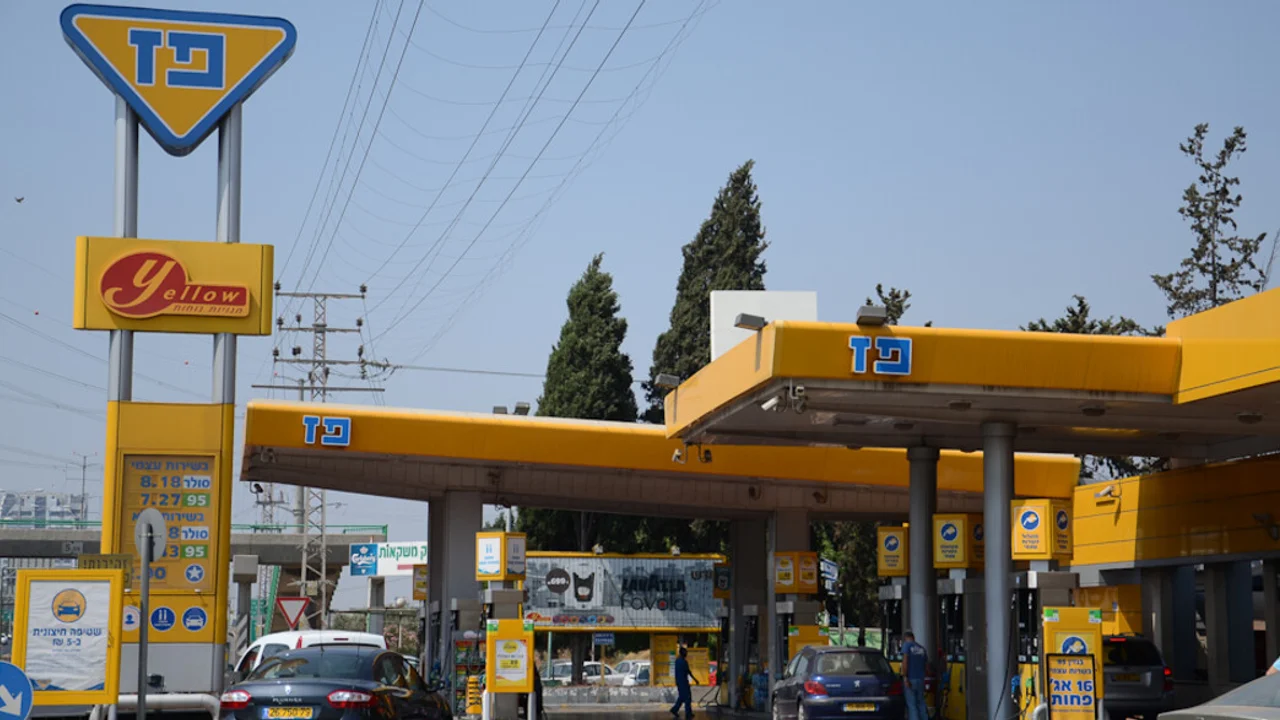
Despite the temporary relief, rising budget deficits suggest that purchase taxes will eventually increase. At the same time, global oil prices have surged close to their annual highs amid tensions in the Gulf, driving up demand for electric models as a hedge against fuel costs. While local fuel subsidies have temporarily cushioned consumers, their expiration at the end of the month could accelerate the shift toward electric mobility and deplete dealer inventories.
Green Tax Formula and Price Adjustments
Another critical factor is the upcoming update to the green tax formula scheduled for early January, which affects all non-electric vehicles. The stricter formula will reduce tax credits by thousands of shekels for popular petrol, diesel, hybrid, and plug-in hybrid models. While competitive pressures and excess inventory may prompt importers to absorb part of the cost, a weakening shekel against major foreign currencies could trigger broader price increases across 2027 models.
Chinese EV Influx and Market Competition
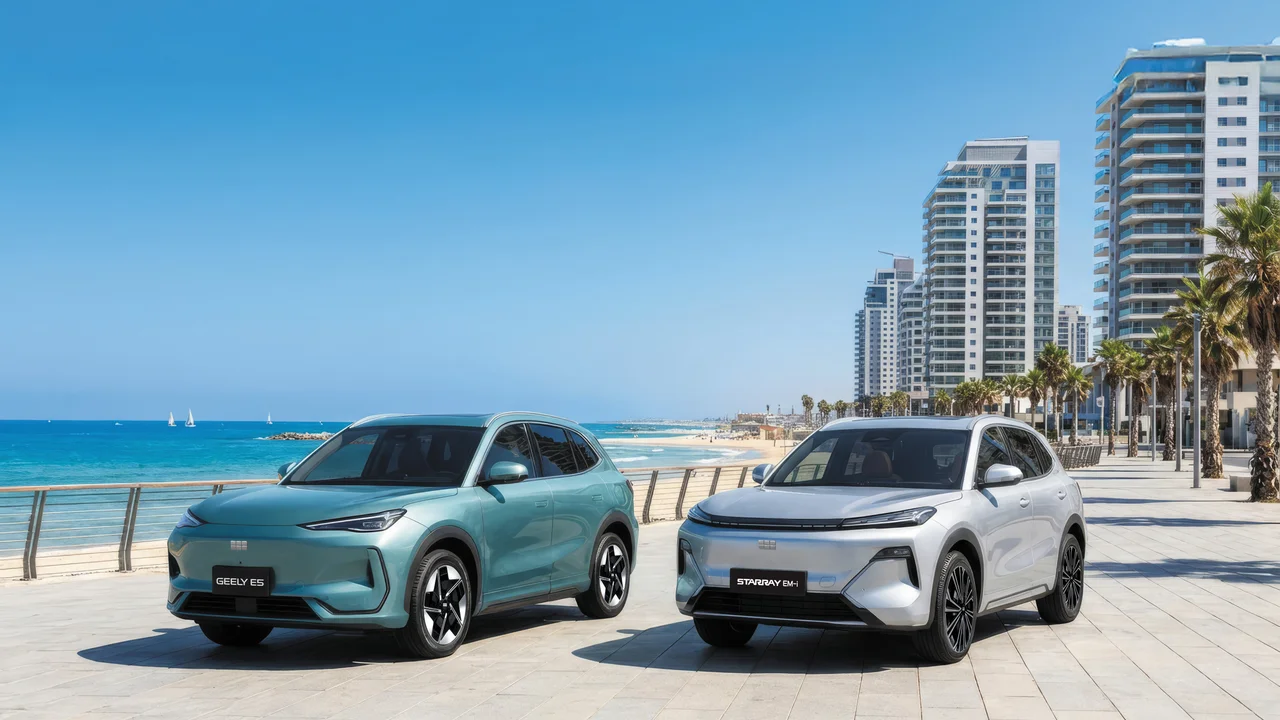
Mitigating some of these upward price pressures is the continued influx of Chinese vehicles into the Israeli market. Tens of thousands of new Chinese cars are expected to arrive by the end of the year, sparking intense competition and aggressive pricing strategies. Buyers eyeing Chinese brands may find it advantageous to wait, as a potential price war in the first quarter of 2027 could offer better deals, provided currency exchange rates remain stable.