Israeli Opposition Leaders Meet in Herzliya to Discuss Government Formation
Leaders of Israel's opposition bloc met in Herzliya to discuss forming a new government, countering election challenges, and taking control of the Knesset amid internal policy divisions.

Leaders of the Israeli opposition bloc met on Tuesday at the Dan Acadia Hotel in Herzliya for their first high-level summit since the elections, focusing on strategies to form a new government and counter ongoing coalition challenges.
The gathering brings together the heads of four parties that secured a combined 48 mandates: Yair Lapid of Yesh Atid, Naftali Bennett of BeYachad, Gadi Eisenkot of Yashar!, Yair Golan of The Democrats, and Avigdor Lieberman of Yisrael Beytenu. Speaking ahead of the meeting, opposition leader Yair Lapid strongly denounced recent political maneuvers, accusing Prime Minister Benjamin Netanyahu’s allies of attempting to challenge the election results.
Parliamentary Control and Legislative Plans
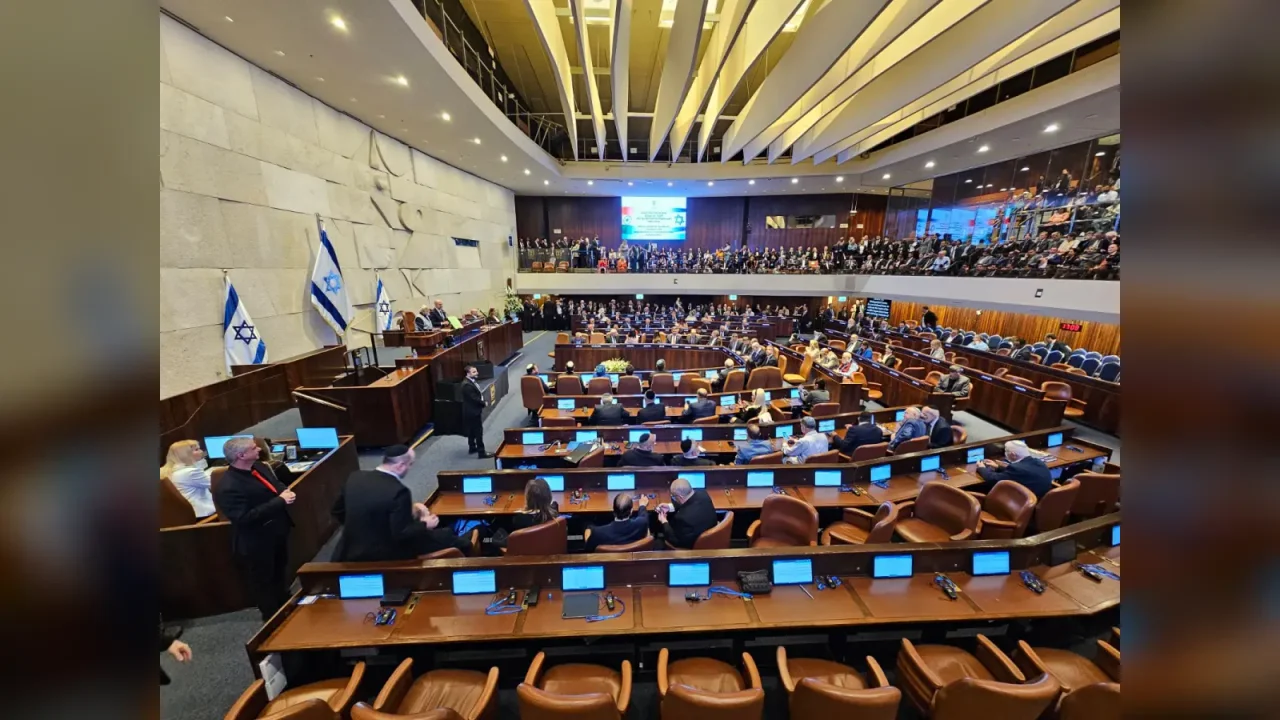
According to senior bloc officials, the most urgent priority on the agenda is seizing control of the Knesset, replacing current Speaker Amir Ohana, establishing the Arrangements Committee, and repealing contentious legislation passed by the outgoing coalition. However, deep divisions remain among party leaders regarding future governance and potential alliances.
While Gadi Eisenkot advocates for a minority government that could potentially engage Haredi parties, Yair Golan is aggressively pushing for cooperation with Arab factions, having met earlier in the day with Joint List leaders Youssef Jabareen and Ahmad Tibi. Meanwhile, Avigdor Lieberman and Naftali Bennett firmly reject reliance on Arab parties, though Lieberman has left the door open for negotiations with ultra-Orthodox factions to secure a stable coalition.
Disputes Over Leadership and Strategy
Internal disagreements also extend to the allocation of key parliamentary posts. While Lieberman and Bennett support appointing Yair Lapid as Knesset Speaker, Eisenkot insists the position should go to a representative from his own faction. Additionally, representatives of families affected by the October 7 massacre attended the venue, urging opposition leaders to unite immediately and establish a state commission of inquiry.