Why Olive Oil Is Safe and Healthy for Frying Your Favorite Foods
Discover why olive oil is an excellent choice for frying cutlets and cooking. Learn about its health benefits, oxidative stability, and practical tips for crispy, lower-fat meals.
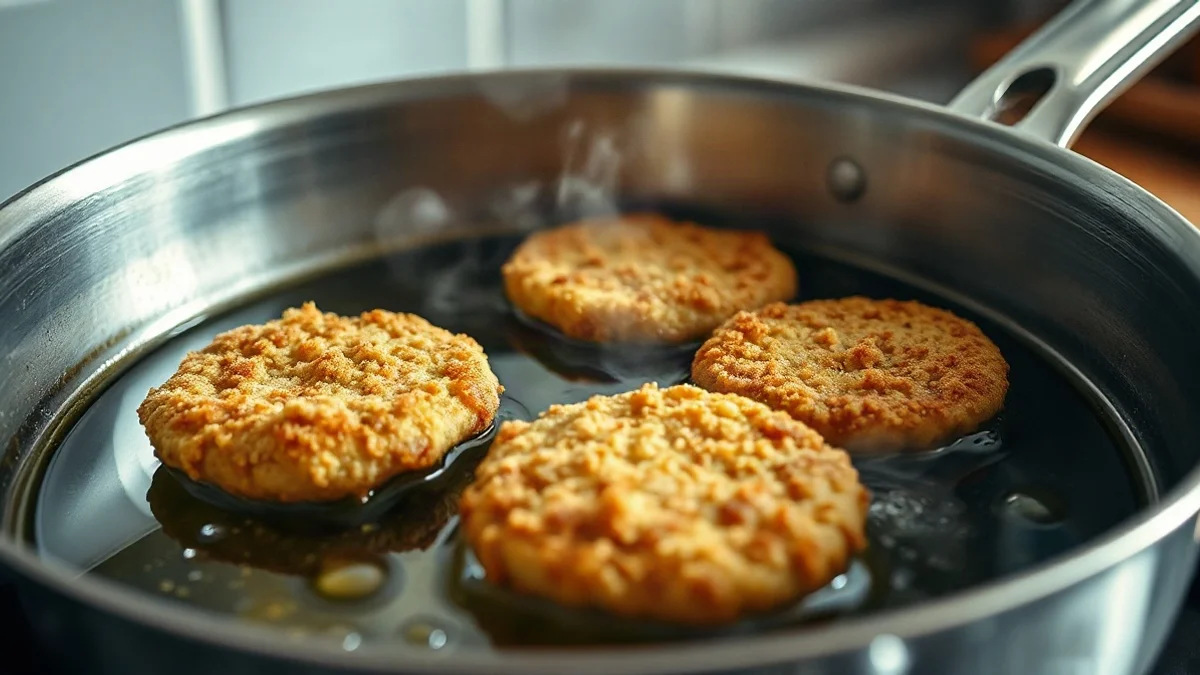
When preparing family dinners or frying cutlets, the choice of cooking oil plays a crucial role in both flavor and nutritional value. Contrary to popular belief, olive oil is not limited to cold salad dressings; it is an excellent and healthy choice for cooking and frying as well.
The Health Benefits of Olive Oil
As a cornerstone of the Mediterranean diet, olive oil is rich in monounsaturated fats and natural antioxidants. Regular consumption as part of a balanced diet is linked to improved cardiovascular health. A key factor is its high polyphenol content, particularly hydroxytyrosol, which helps protect blood lipids from oxidative stress, according to the European Food Safety Authority (EFSA).
However, not all olive oils contain equal amounts of these beneficial compounds. Factors such as the olive variety, production methods, and storage conditions heavily influence quality. Exposure to light, heat, and air can degrade the oil. A simple indicator of quality is a slight peppery bitterness at the back of the throat when tasted, though laboratory testing remains the definitive measure.
Can You Fry with Olive Oil?
A widespread myth suggests that olive oil is unsuitable for frying due to its smoke point. In reality, oxidative stability is a far more critical metric for heat resistance. Olive oil boasts high levels ofoleic acid and natural antioxidants, allowing it to maintain stability even at typical frying temperatures.
Clinical dietitians note that while olive oil and canola oil handle heat well, oils rich in polyunsaturated fats—such as soybean, corn, and standard sunflower oil—are more susceptible to oxidation and harmful compound formation when heated repeatedly. Nevertheless, no oil is entirely immune to degradation under excessive heat.
Practical Tips for Crispy, Lower-Fat Cutlets
Mastering frying techniques helps minimize oil absorption:
-
Heat the oil properly: Maintain a temperature of 170–180°C (340–350°F) to instantly seal the food surface with escaping steam, blocking excessive oil penetration.
-
Do not overcrowd the pan: Overloading lowers the oil temperature, prolonging cooking time and increasing fat absorption. Fry in batches.
-
Use a wire rack for draining: Place fried cutlets on a wire rack rather than letting them sit directly on paper towels to ensure excess oil drains off while keeping the coating crispy.
-
Avoid repeated oil reuse: Reheating oil accelerates oxidation and the buildup of unwanted compounds. Discard oil that darkens, thickens, or emits a rancid odor.