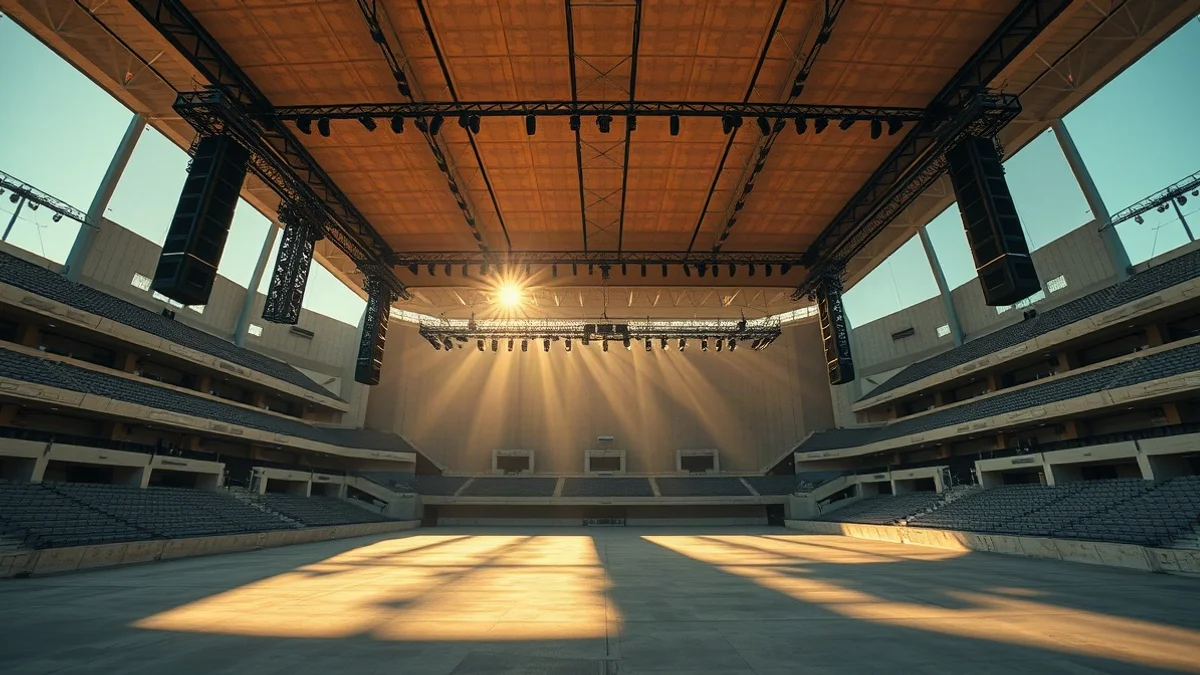
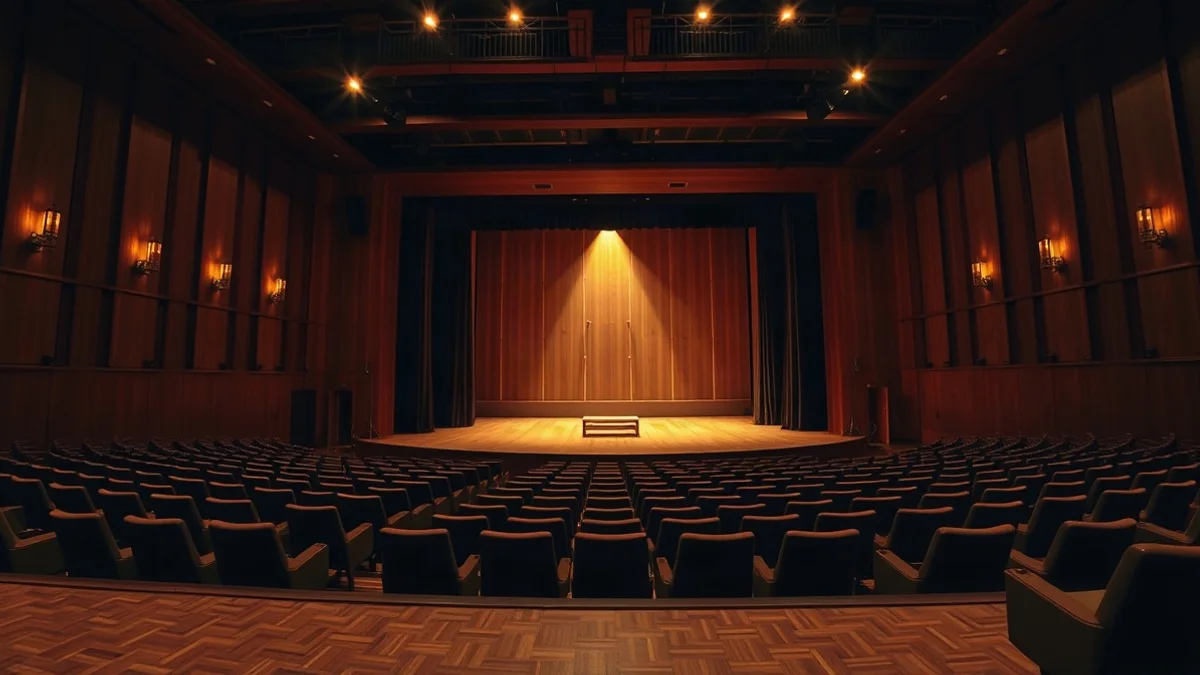
Noam Batan wraps up his Barby residency: the real profit behind the sold-out shows
Noam Batan conquered the club with five consecutive sold-out performances, but after accounting for massive production costs and taxes, the artist's actual take-home profit reveals the complex economics of live music.
Five consecutive sold-out nights at the Barby club is an impressive milestone for any artist in the Israeli music industry. Noam Batan, who wrapped up his successful residency yesterday, can now take a well-deserved break. However, such a feat is, at its core, a complex economic undertaking.
With tickets priced at 145 shekels and a capacity of about 1,000 spectators per night at the Jaffa port venue, the total gross revenue for the five-show run reached approximately 725,000 shekels.
The Breakdown of Costs
This shiny figure is far from the amount that hits the artist's bank account. The first major deduction is VAT; 18% goes directly to tax authorities, totaling 110,593 shekels and leaving a net turnover of 614,407 shekels. Supplementary income from sponsorships or merchandise is typically offset by platform fees and clearing costs.
The operational expenses are substantial:
-
Venue rental and basic staff: approximately 100,000 shekels.
-
Sound and lighting production: 75,000 shekels.
-
Artistic and stage personnel (band, dancers, stylists): 90,000 shekels.
-
Security and floor management: 40,000 shekels.
-
Marketing, PR, and branding: 50,000 shekels.
-
ACUM copyright royalties: 30,000 shekels.
-
Rehearsals, logistics, and management team: 80,000 shekels.
In total, the project's operational, artistic, and logistical expenses are estimated at 465,000 shekels.
After deducting VAT and all production costs, the net profit remaining for distribution between the artist, the management company, and the producers is 149,407 shekels. This figure illustrates that behind every polished performance lies a complex industry driven by risk management and significant operational overhead.