Apartment Sales in Judea and Samaria Double Amidst Construction Boom
534 new deals were closed in the first half of 2026, surpassing the total for 2025. The region is shifting from a model of villas to high-density projects, driven by government policies aimed at transforming the area.
The apartment market in Judea and Samaria is showing an unusual sales pace in the first half of 2026 that distinguishes it from the rest of the country's districts. Between January and June, about 534 new apartments were sold in the region, exceeding the 453 apartments sold in the entire year of 2025. If the current pace is maintained, the year could end with approximately 1,068 deals, representing a jump of about 136%.
This surge is not disconnected from its context. A report published in May 2026 by the organizations Peace Now and Kerem Navot indicates that between 2023 and 2025, 185 new outposts were established, plans for more than 40,000 housing units were promoted, and Israeli urban renewal laws were applied to the settlements. The report describes the process as an accelerated de facto annexation of the West Bank.
High-density construction is one of the most prominent stories emerging from the data. In 2016, ground-attached homes and buildings of one or two stories accounted for about 44.1% of active construction in Judea and Samaria. By March 2026, their share had dropped to 31.2%. Conversely, buildings of three to six stories currently account for about 47.1% of active construction in the region, compared to 25.2% a decade ago. This indicates a gradual transition from suburban construction of private homes to projects including a larger number of apartments.
In the first quarter of 2026, the number of apartments under active construction in the region reached 4,335 housing units, compared to 4,224 units recorded in 2025. The data is striking when compared to 2024, when 576 new apartments were sold in the region: in the first half of 2026 alone, sales reached 93% of the total transaction volume for the entire year of 2024.
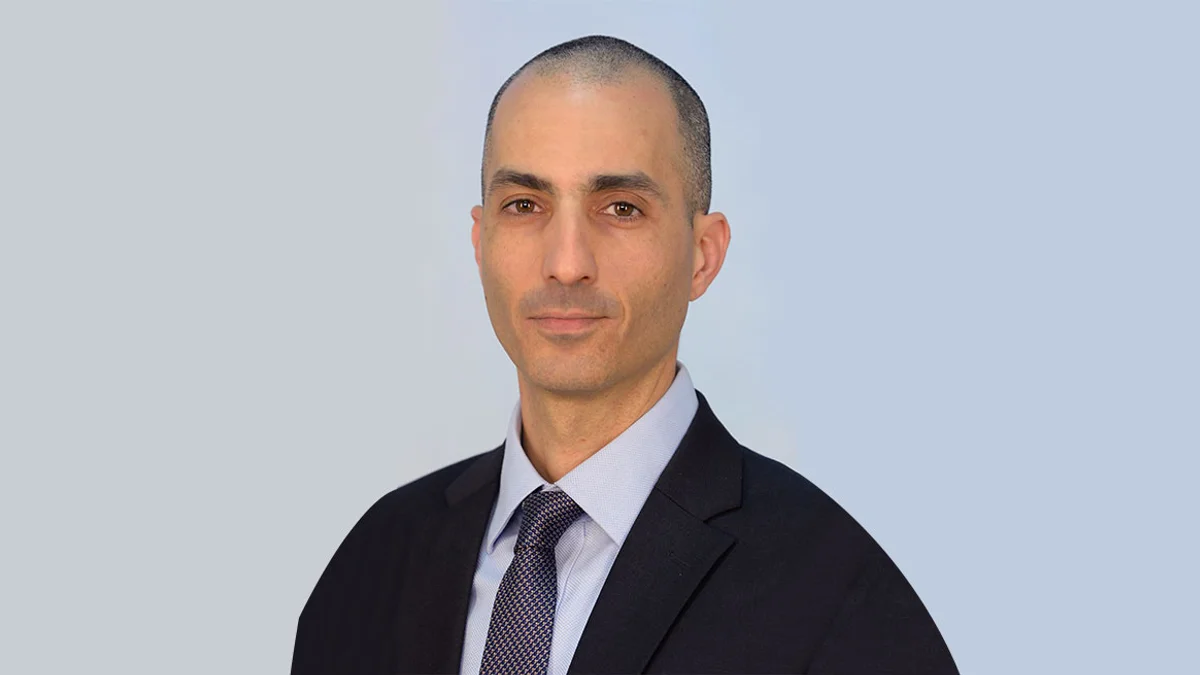
Ran Yanai, CEO and owner of T.P. Construction Company, which holds a backlog of about a thousand housing units under active construction in the region, says that the sharp jump in sales and activity pace is not a surprise for those who have been managing operations here for a long time:
"The general public understands today the advantages of the location, the quality of life, and the economic solution that Judea and Samaria provides. The profile of buyers is also changing: beyond the traditional ideological motives, we see a significant wave of new populations and young families choosing to come to the region thanks to the strong community and high quality of life."
The same report also points to the other side of the construction boom: 118 Palestinian herding communities were displaced between 2023 and 2025, and the number of Palestinian structure demolitions in Area C rose by about 80%. The report concludes that the government's actions have created an almost irreversible change on the ground.