Prominent Lawmakers Face Risk of Losing Seats in 26th Knesset Projections
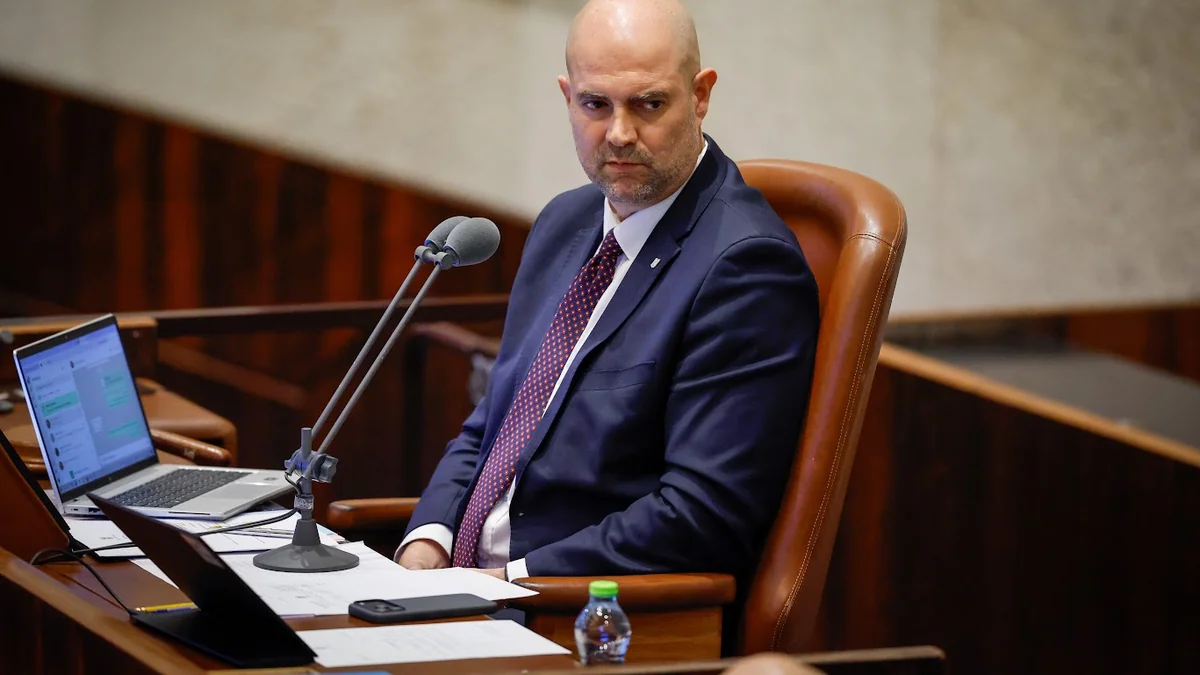
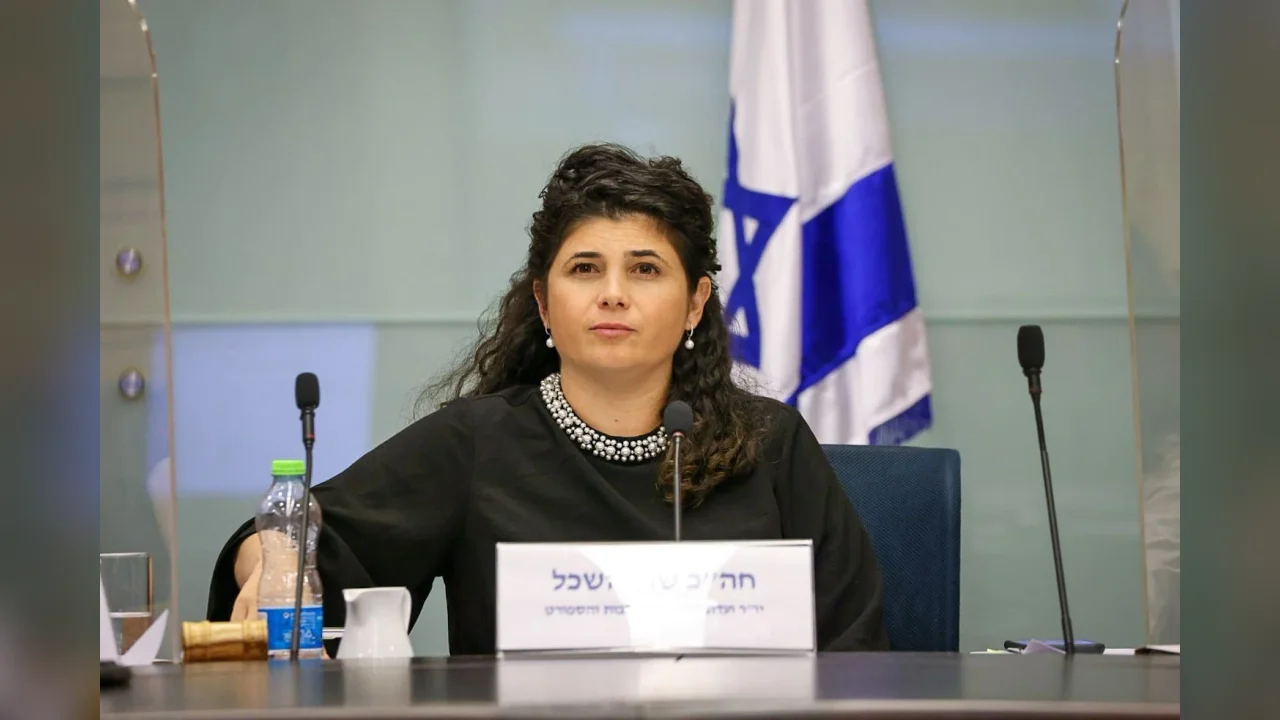
Preliminary projections from the 26th Knesset elections indicate that several prominent lawmakers from coalition and opposition parties are at risk of losing their seats as vote counting continues.
As the vote count for the 26th Knesset elections continues, preliminary projections indicate that several prominent figures from both coalition and opposition parties are at risk of losing their seats in the upcoming parliament. While the final composition remains subject to change as remaining ballots are tallied, current trends highlight potential departures across multiple political factions.
Within the Likud party, which is projected to remain the largest faction, several well-known lawmakers and former officials face the possibility of not returning to the Knesset. According to estimates based on interim results, this group includes Ze'ev Elkin, Amit Halevi, Avichay Buaron, Hanoch Milwidsky, May Golan, Keti Sheetrit, Idit Silman, and Sassi Guetta, some of whom held senior legislative and ministerial positions in the outgoing government.
Similar vulnerabilities emerge in other parties across the political spectrum. In the BeYachad party led by Naftali Bennett, figures such as Naor Shiri, Vladimir Beliak, Yorai Lahav-Hertzanu, Yasmin Fridman, Moshe Tur-Paz, and Simon Davidson are currently positioned in precarious spots. The Democrats could see Emily Moatti miss out on a seat, while Yisrael Beytenu faces potential losses among its ranks.
Ultra-orthodox and nationalist factions also report candidates at risk based on current projections. In United Torah Judaism, Meir Porush is among those whose return is uncertain, while Erez Malul of Shas and Ohad Tal of the Religious Zionism list also face tight margins as the electoral count progresses.
Election officials emphasize that these assessments rely strictly on intermediate figures and do not represent the final certified results of the 26th Knesset elections. The processing of double-envelope ballots from soldiers, diplomats, and special polling stations could alter mandate allocations and shift the final roster of lawmakers.