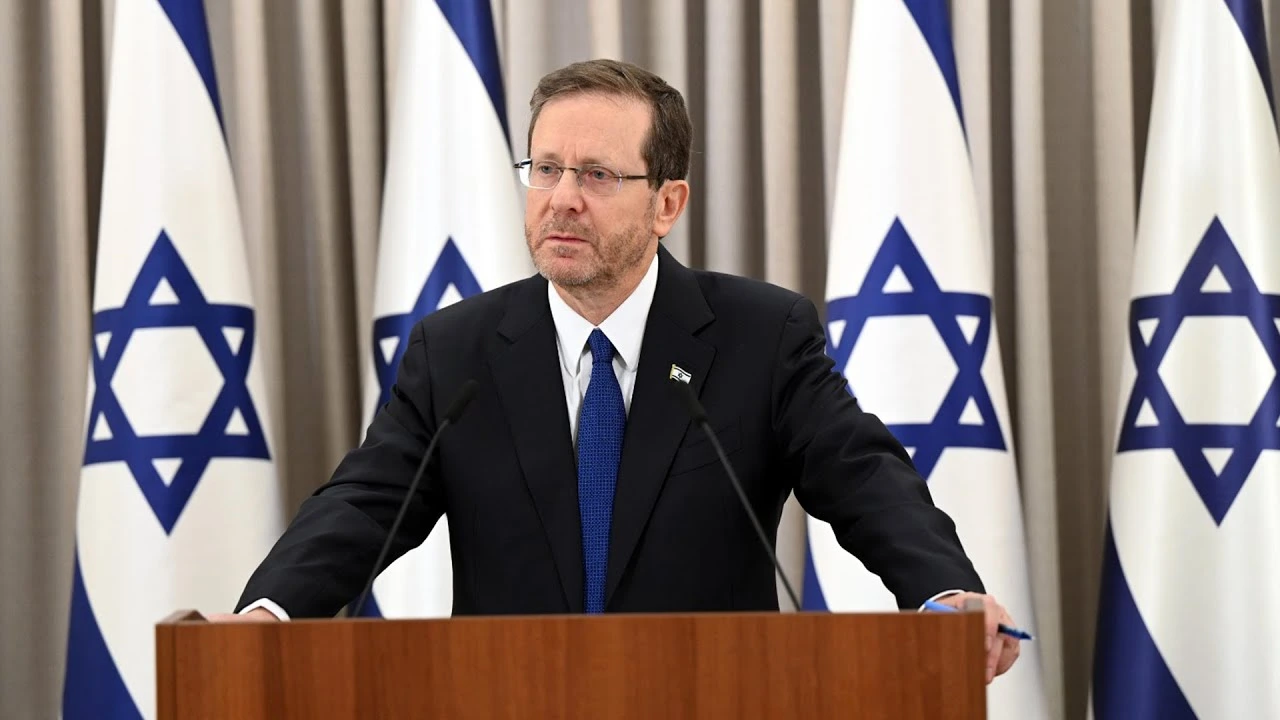
Knesset Speaker Replacement Bid Gains Momentum Amid Coalition Shifts
The change bloc is exploring a parliamentary maneuver to replace Knesset Speaker Amir Ohana using a 61-member majority, potentially bypassing the need to form a government first.
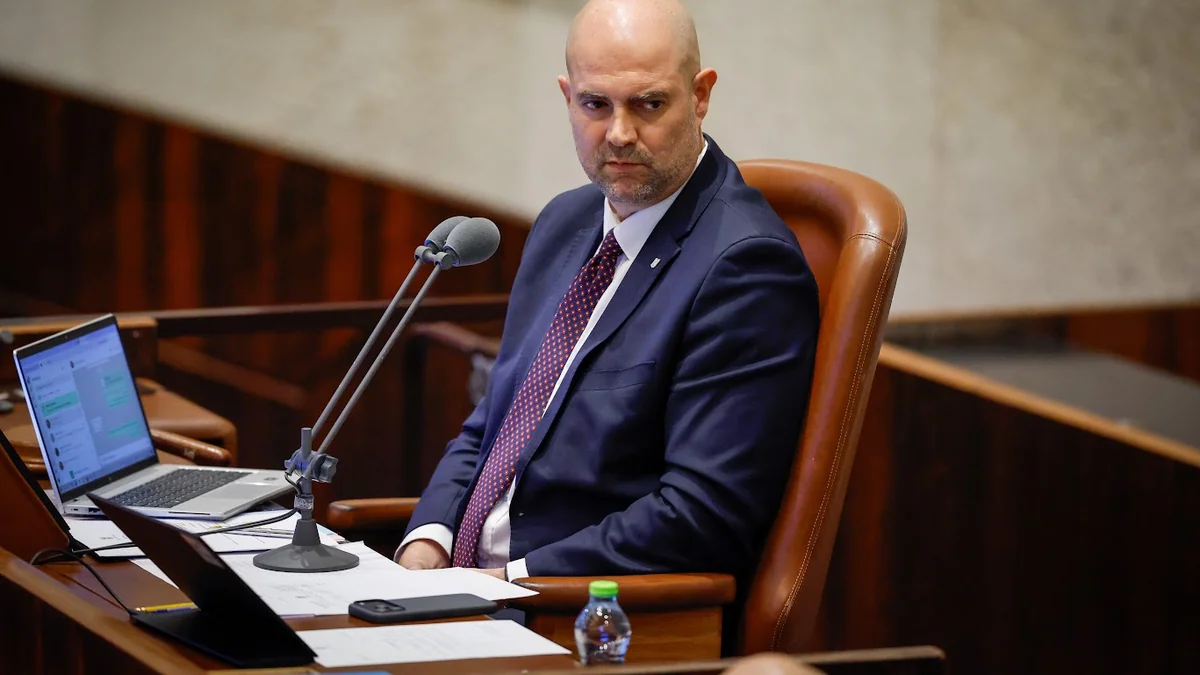
According to parliamentary regulations and law, electing a new Knesset speaker does not require the prior establishment of a government. If 61 Knesset members demand a vote to elect a new speaker, the procedure must be held even before a new coalition is formed. TA'AL leader Ahmad Tibi has already announced his intention to work toward replacing current Knesset Speaker Amir Ohana, suggesting the move could rely on cooperation between Jewish and Arab lawmakers.
The position of Knesset Speaker provides critical legislative tools, particularly as the change bloc seeks to establish a state commission of inquiry. Should the bloc secure a 61-member majority to appoint a new speaker with the support of Arab parties, it could reshape the parliamentary agenda and advance initiatives opposed by the outgoing government. However, replacing the speaker does not automatically guarantee legislative success, as majorities would still be required for individual bills.
While Ahmad Tibi pushes for the removal of Ohana, Prime Minister Benjamin Netanyahu's bloc is exploring options to delay the process. Nevertheless, the 2020 precedent, in which the High Court intervened after then-Speaker Yuli Edelstein refused to convene the plenum, makes blocking a 61-member majority difficult. Current Speaker Amir Ohana has also clarified that if such a majority materializes, he will convene the house for a vote.
Several names have been floated as potential successors to Ohana, including Chili Tropper, Elazar Stern, Matan Kahana, Meirav Ben Ari, Efrat Rayten, Eitan Ginzburg, and Oded Forer. Divisions remain within the change bloc regarding the candidate, with proposals to appoint a temporary speaker until a consensus is reached. The battle over the Knesset speaker could fundamentally alter the balance of power during the transition period.