Mapping the 26th Knesset: Strongholds and Voting Patterns Across Israel
Following the vote count for the 26th Knesset, a detailed geographic analysis reveals the distinct electoral strongholds of Israel's political parties, highlighting shifting voter dynamics across cities and towns.
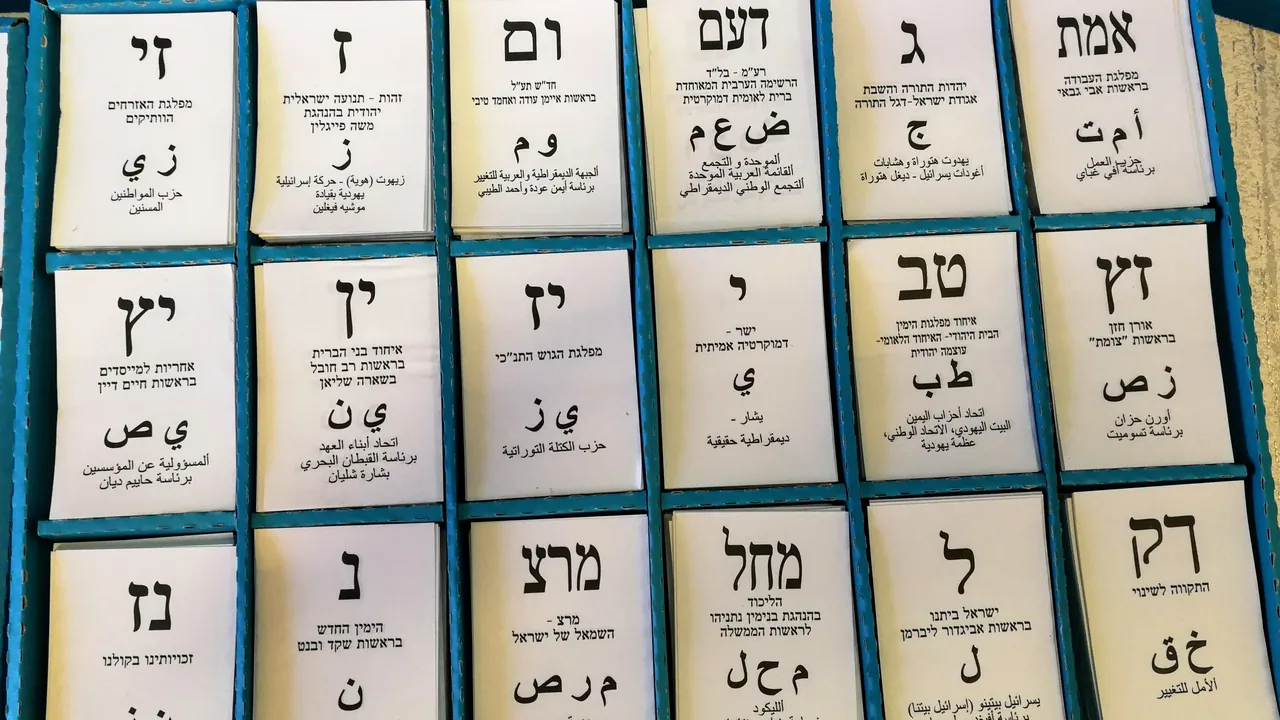
Following the conclusion of the vote count for the 26th Knesset, a detailed mapping reveals the primary strongholds of the parties that crossed the electoral threshold, as well as those that narrowly missed out.
The Likud party, led by Prime Minister Benjamin Netanyahu, found its highest support in evacuated northern border moshavim. In Avivim, 68.2% of residents voted for Likud, followed by Dovev with 66.1%. Among cities, Kiryat Shona ranked third with 48%, preceded by Beit Shean at 52.3% and Dimona at 51.9%. Conversely, Gadi Eisenkot's Yashar party drew its strongest support from high socio-economic cluster cities in the Sharon and Gush Dan regions, led by Ramat Hasharon with 36.9% and Herzliya with 34.4%.
Naftali Bennett's BeYachad list secured its strongest municipal backing in Ra'anana at 20.6%, closely followed by Givatayim at 20.5% and Hod Hasharon at 20.2%. Meanwhile, Yair Golan's The Democrats party peaked in Tel Aviv, where it captured 21.3% of the vote, with 18% of its total national support originating from the city.
Yisrael Beytenu performed strongly in northern cities with significant Russian-speaking immigrant populations from the 1990s, recording 16.9% in Karmiel and 16.3% in Kiryat Yam. In the nationalist-religious and Haredi spectrum, Shas and United Torah Judaism relied heavily on ultra-Orthodox strongholds, with Bnei Brak, Elad, and Modi'in Illit recording massive majorities, reaching up to 76.6% for UTJ in Modi'in Illit.