Kiryat Shmona Backs Likud in Elections Despite Wartime Hardships
Kiryat Shmona voters kept Likud as the city's largest party despite wartime hardships, prioritizing security and leadership experience while facing online boycott calls.
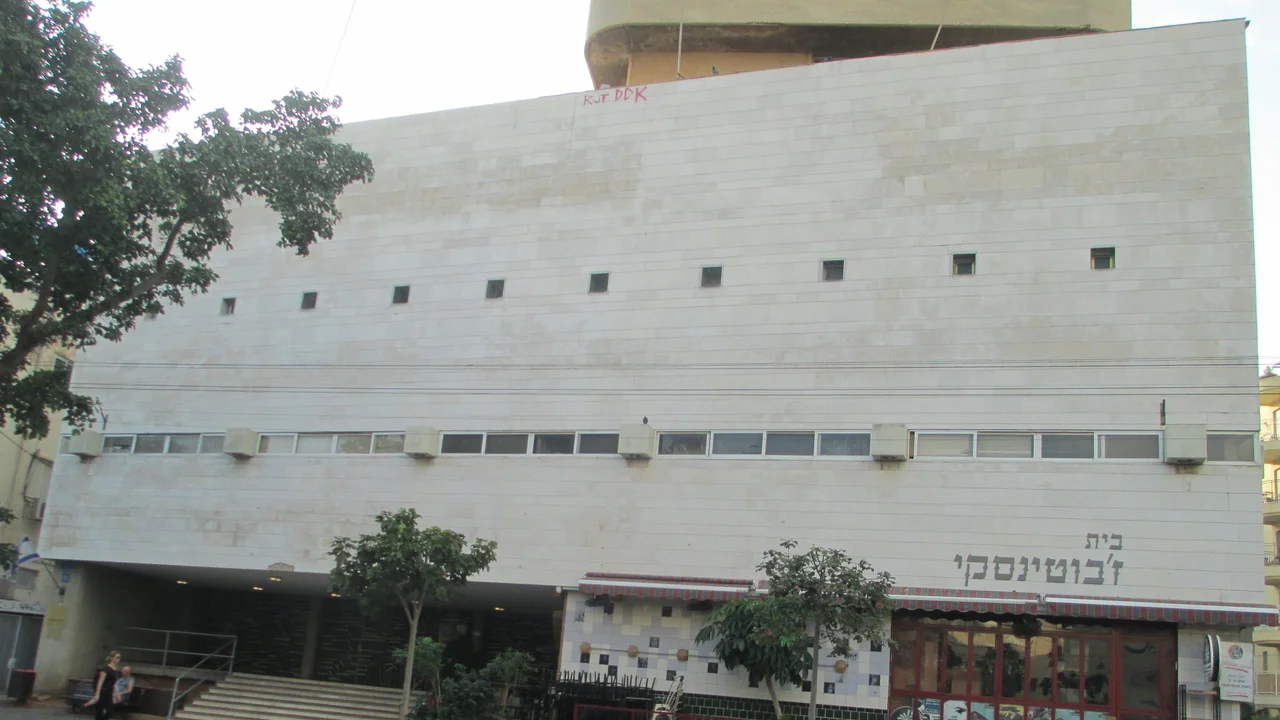
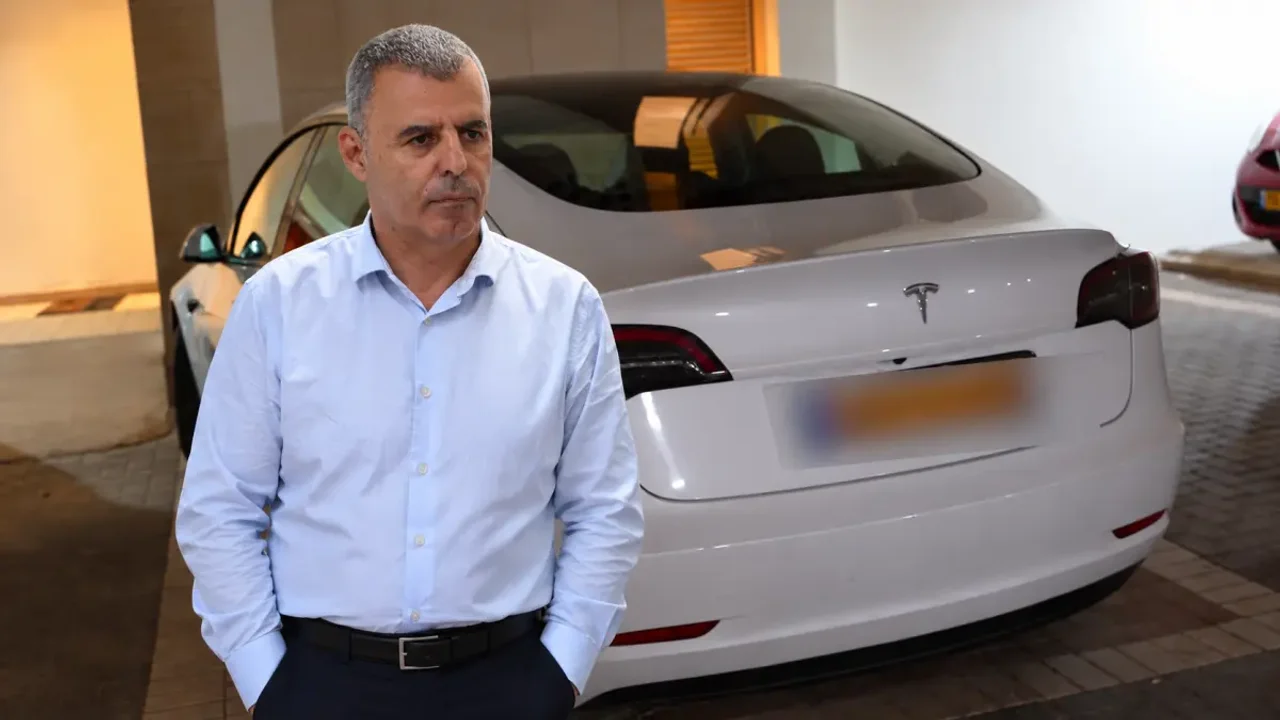
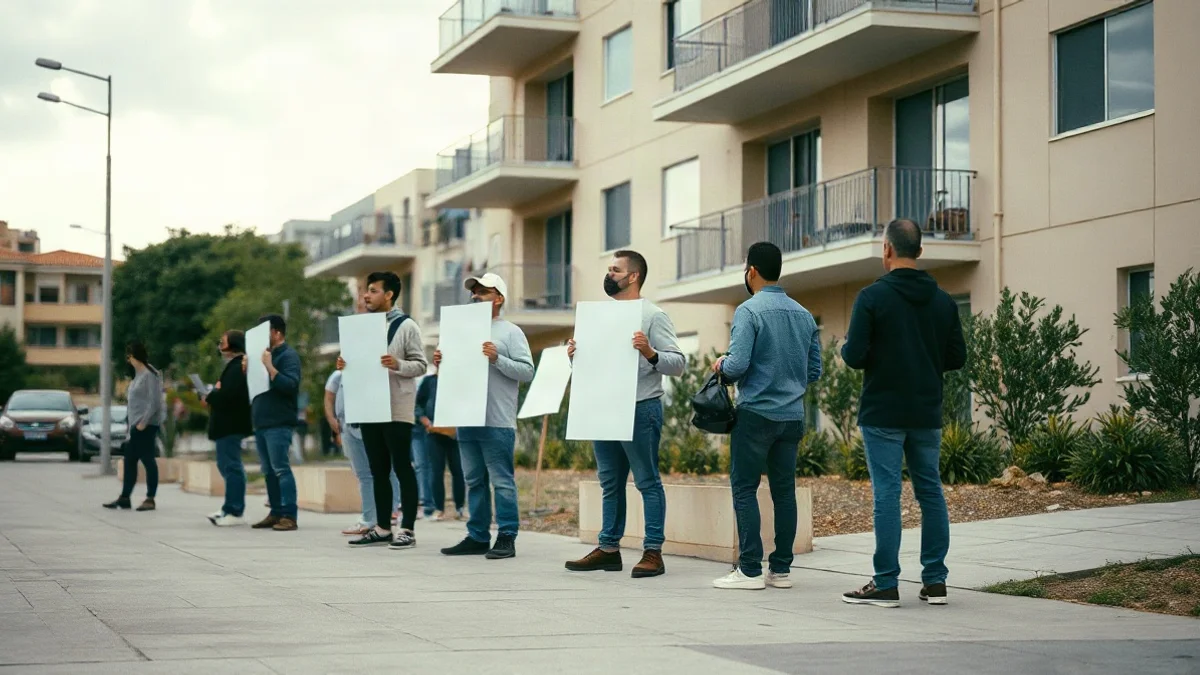
Three years of war, evacuation, and economic hardship have left Kiryat Shmona struggling to bring back its residents and rebuild local businesses. Yet, the recent elections ended with a familiar political picture: Likud remained the largest party in the city by a wide margin, defying expectations that anger over the northern situation would lead to mass abandonment of the ruling party. Residents involved in local protests explain that for them, criticism of the government and support for Prime Minister Benjamin Netanyahu can coexist.
However, the vote was followed by harsh online backlash against local residents, including calls to boycott the city and its businesses. Residents interviewed for this piece expressed deep frustration over attempts to invalidate their choices and penalize them politically. Shiran Ohayon, a prominent protest activist in the city, argues that democracy must allow for diverse opinions and rejects the idea that solidarity should be conditional on political alignment.
Security concerns and leadership criticism
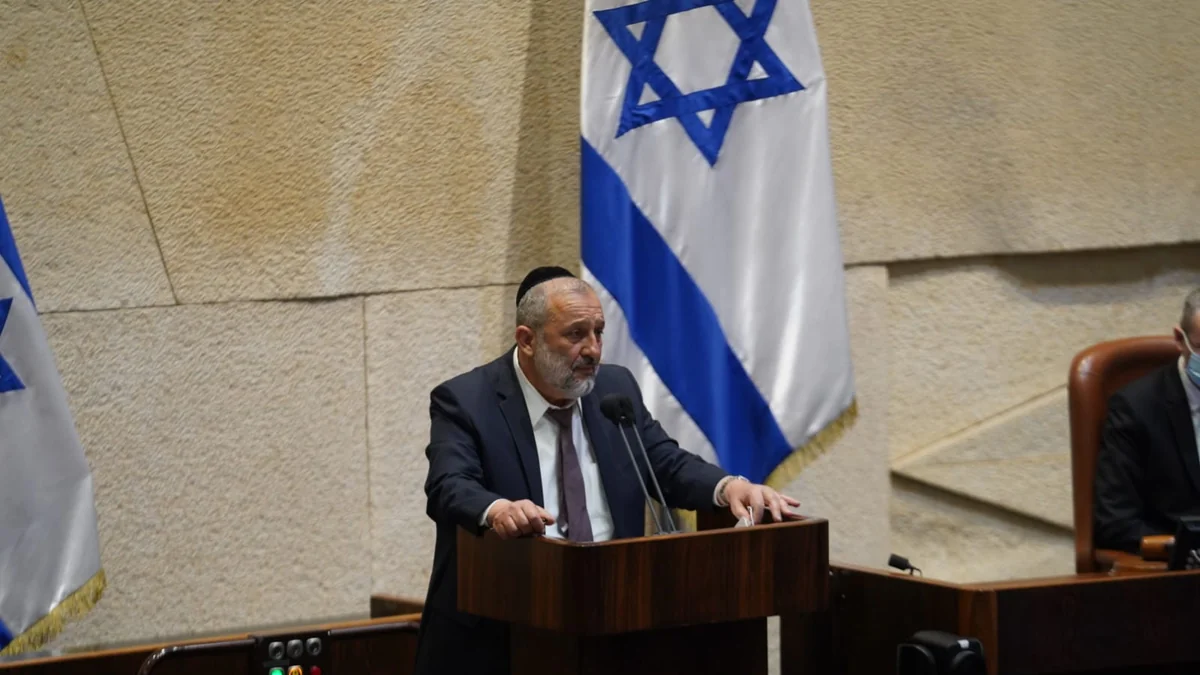
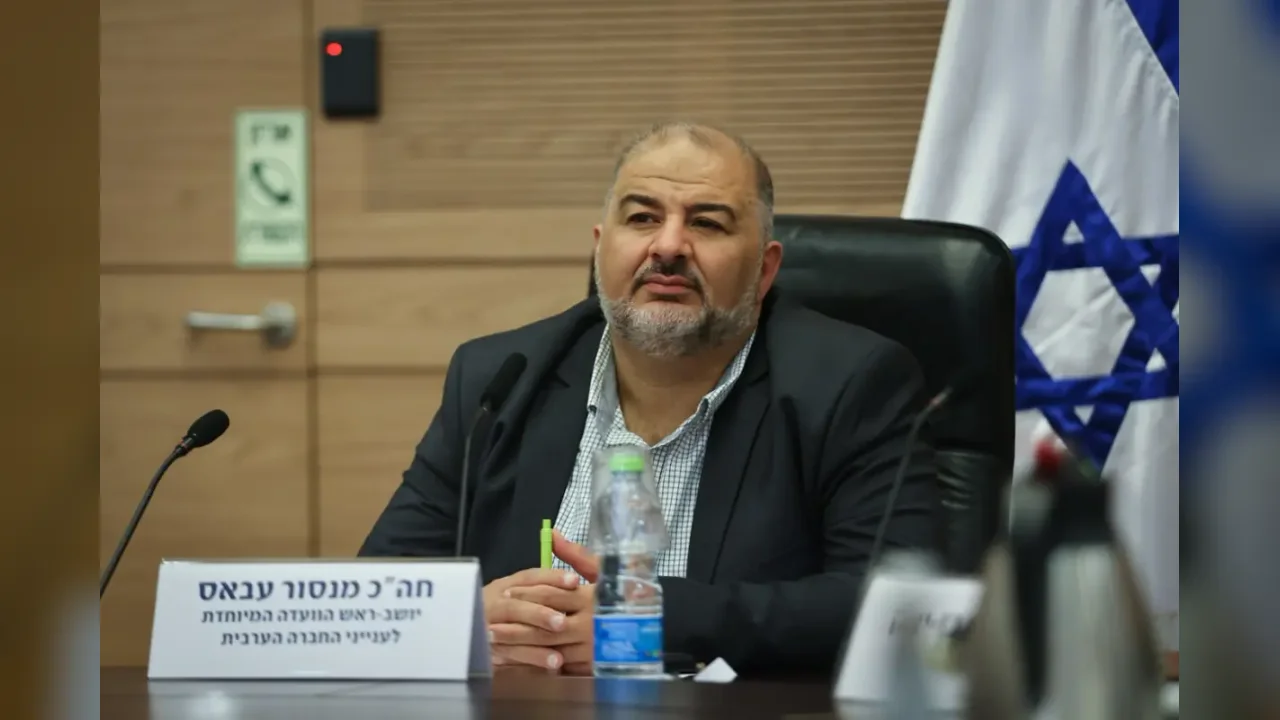
According to preliminary data before double-envelope votes were tallied, Likud received 48.02% of the vote in Kiryat Shmona, compared to 49.47% in the previous elections. Despite a slight percentage drop, the actual vote count increased from 5,569 to 5,887 ballots. Voters emphasize that security remains their paramount concern, viewing ongoing military operations in Lebanon under Netanyahu as essential for their long-term safety. At the same time, residents direct sharp criticism toward local municipal leadership, accusing the city hall of failing to properly utilize over one billion shekels in state rehabilitation budgets due to poor planning and administrative delays.
Einat Dardari, a local business owner and activist, echoes these sentiments, noting that the government provided crucial financial support and grants during the war. Meanwhile, veteran journalist and resident Herzl ben Asher points to political alternatives as unconvincing, expressing distrust in opposition figures like Naftali Bennett and Gadi Eisenkot. Residents stress that living on the front lines requires prioritizing national defense above all else, while demanding an end to online vitriol and condescension from critics who have not experienced daily rocket fire.