Kibbutz Movement Sees Equity Surge and Population Growth Over Two Decades
A new report reveals that Kibbutz financial equity has surged since 2009, with populations doubling and renewable energy expanding rapidly across communities.

Kibbutz movement finances have undergone a dramatic transformation over the past two decades, shifting from widespread low or negative equity in the early 2000s to robust financial stability, according to Nitsan Aviran, head of economics at the Religious Kibbutz Movement. Speaking at the Kibbutz Growth Conference—co-hosted by Israel Discount Bank, the Kibbutz Movement, and other partners—Aviran presented preliminary data from the upcoming 22nd Kibbutz Yearbook.
Financial Growth and Population Surge
Aviran highlighted a striking structural shift that began around 2009. The proportion of kibbutzim holding equity exceeding 100 million NIS nearly doubled, climbing from 20% to 39% by 2024. Revenue figures reflect a similar upward trajectory, with communities generating over 150 million NIS annually now forming the largest category by revenue volume.
Alongside economic consolidation, the kibbutz population has doubled since 2005, surging from roughly 100,000 to over 200,000 residents. Aviran emphasized that this expansion is driven largely by newcomers rather than natural growth alone, noting that waiting lists remain exceptionally long, particularly in the periphery. Nearly half of the total kibbutz population is currently concentrated in The North, with over 71% residing in peripheral regions and along national borders.
Professionalization of Renewable Energy
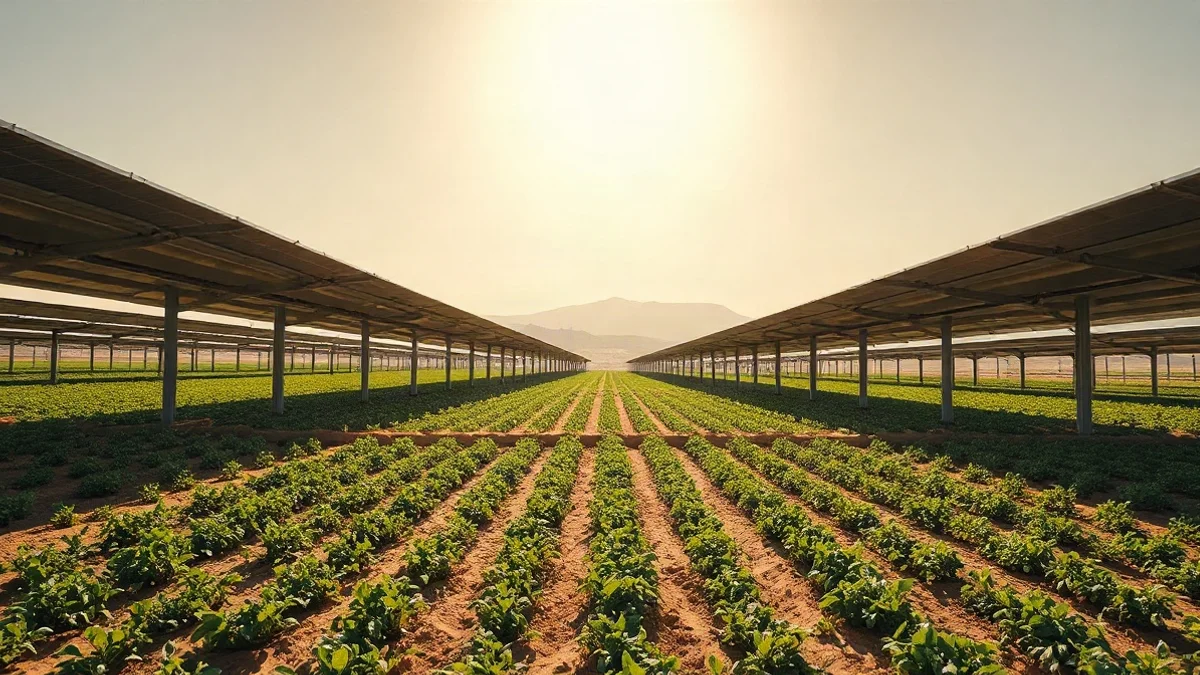
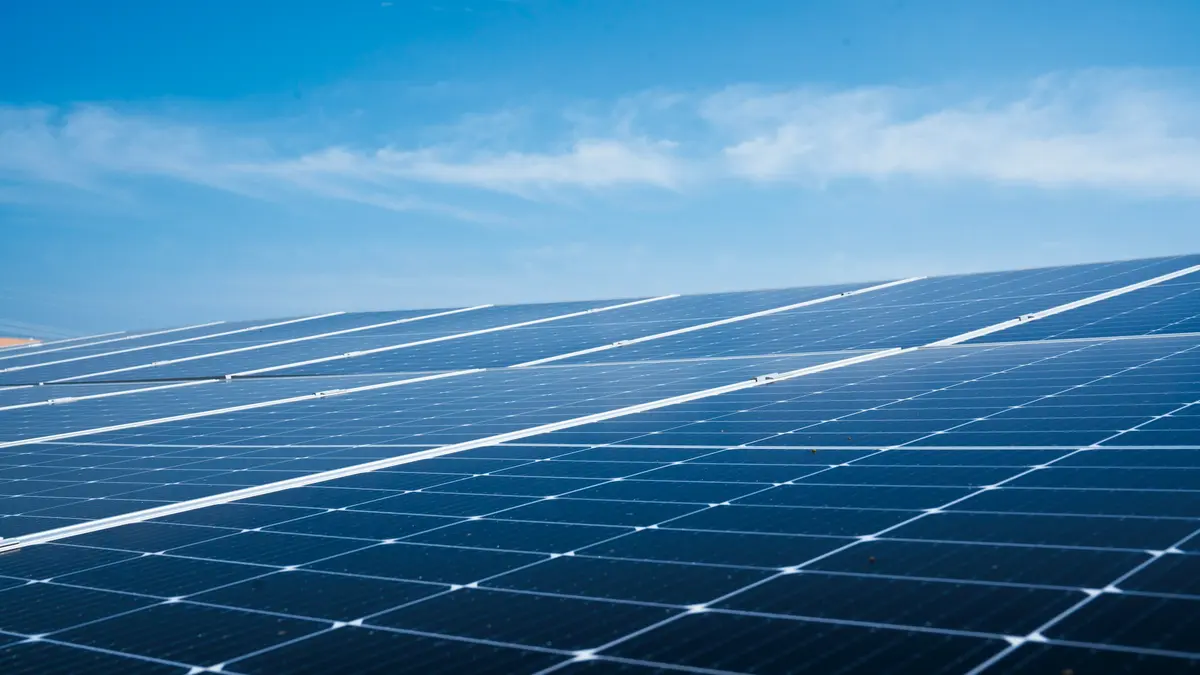
Another major development is the modernization of community infrastructure and agricultural practices. By 2026, nearly 64% of kibbutzim manage renewable energy as an independent commercial sector with dedicated management and structured business plans, up from 51% in 2024. Furthermore, approximately 80% of communities have advanced signed agreements or projects in the agrivoltaics sector, combining agricultural cultivation with solar power generation.
Despite ongoing bureaucratic and regulatory hurdles, agricultural output continues to expand following record highs in 2023. Aviran also underscored the critical role of alternative water sources, noting that 60% of agricultural water consumption relies on treated wastewater, brackish water, and flood runoff, thereby preserving fresh water resources for the broader population.