Jordan Declares Jesus Baptism Site a Nature Reserve Ahead of 2030 Anniversary
Jordan declares Jesus' baptism site a 10 sq km nature reserve ahead of its 2030 millennium, while new archaeological findings fuel debates over the exact historical location.
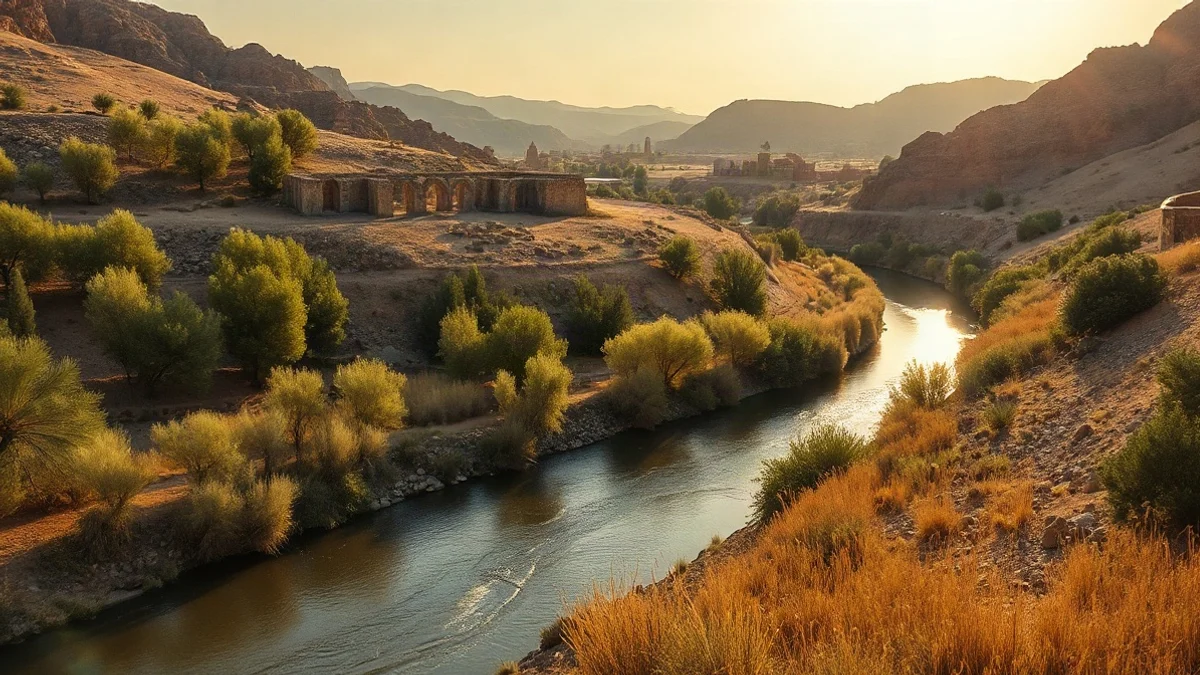
Jordan has declared the traditional baptism site of Jesus on the eastern bank of the Jordan River a 10-square-kilometer nature reserve ahead of the 2,000th anniversary of the event. Meanwhile, recent archaeological research points to ancient churches, baptismal pools, and prayer structures that could help pinpoint the exact location where John the Baptist baptized Jesus.
The Jordanian government designated the site to protect its unique ecosystem and prepare for the milestone year 2030. The reserve will encompass the World Heritage site and its surroundings, including Wadi Kharrar and Wadi Gharraba, focusing on scientific research, environmental monitoring, and sustainable religious and ecological tourism.
Archaeological Discoveries and Historical Sources
At the center of the archaeological interest is the site known as Bethany Beyond the Jordan, located about 8 kilometers north of the Dead Sea. Jordanian archaeologist Mohammad Waheeb from the Hashemite University argues that finds unearthed in the area align with descriptions left by ancient Christian pilgrims.
Excavations conducted between 1996 and 2002 revealed churches, baptismal pools, prayer halls, mosaics, and water systems near Jabal Mar Elias. Waheeb connects these remains to historical accounts describing structures near the baptism site, noting that distances cited in ancient sources match the newly uncovered ruins.
The excavations revealed the true place where Jesus was baptized by John the Baptist on the eastern bank of the Jordan River, Waheeb stated.
Resolving Historical Debates
Waheeb’s study, published in the Egyptian Journal of Archaeological and Restoration Studies, also addresses historical controversies surrounding the site's name and location. The research examines the contributions of Origen, a third-century Christian scholar, and analyzes the Byzantine Madaba Map to distinguish between Bethany Beyond the Jordan and Bethabara.
While seasonal floods and shifting river courses over centuries complicate the reconstruction, the Roman, Byzantine, and early Islamic ruins provide substantial insight into the early Christian landscape, even as scholars continue to debate the precise focal points of the baptism event.