Jerusalem Court Orders 28 Million Shekels Over Pal-Kal Building Defects
The Jerusalem District Court ordered 28 million shekels in compensation to residents and business owners in a downtown building constructed using the hazardous Pal-Kal method, ending an 18-year legal battle.
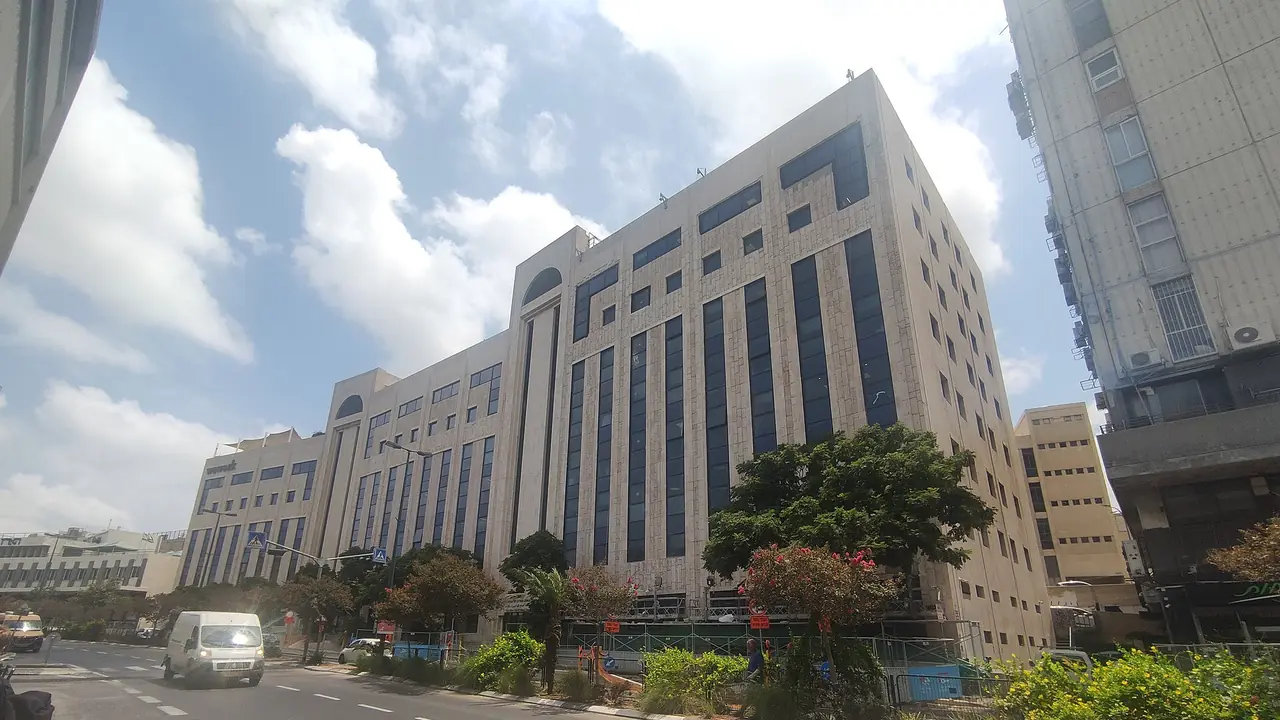
The Jerusalem District Court has ordered approximately 25 million shekels in compensation to apartment, shop, and office owners in a prestigious downtown building constructed using the hazardous Pal-Kal flooring method. The ruling concludes an 18-year legal battle concerning the building, which was erected in the 1980s. Total compensation, including 3 million shekels in legal fees and expenses, reaches roughly 28 million shekels.
The building, comprising 26 residential apartments, 13 offices, and 14 shops, was constructed between 1983 and 1987 in a project involving Paz Oil Company—then a state-owned enterprise that initiated the project and owned the land—and Alcontern, the construction contractor. The controversial Pal-Kal construction method came under intense scrutiny following the 2001 Versailles wedding hall disaster in Jerusalem. Plaintiffs discovered the construction method in mid-2002 and filed lawsuits in October 2008, seeking damages and reinforcement costs.
Judge Aryeh Romanov ruled that while the building has stood stable for nearly 40 years and the Jerusalem Municipality removed it from its dangerous buildings list, Pal-Kal remains a prohibited and hazardous method. The court rejected demands to demolish the structure, ruling instead that reinforcement and restoration are viable. The court awarded residential owners funds for structural reinforcement, apartment restoration, temporary housing, and emotional distress, while commercial owners received compensation for reinforcement and restoration costs.
Additionally, the court accepted third-party claims filed by Paz and Alcontern against Eli Ron, the engineer who invented the Pal-Kal system, holding him liable for 20% of the amounts they were ordered to pay. Legal representatives for the residents emphasized that hundreds of Pal-Kal buildings across the country remain untreated, posing ongoing safety risks despite routine municipal inspections.