Bangladesh Textile Strikes Threaten Global Supply Chains and Retail Prices
Violent protests in Bangladesh have forced the closure of nearly 700 textile factories, threatening global supply chains and retail apparel prices worldwide as workers demand higher wages.
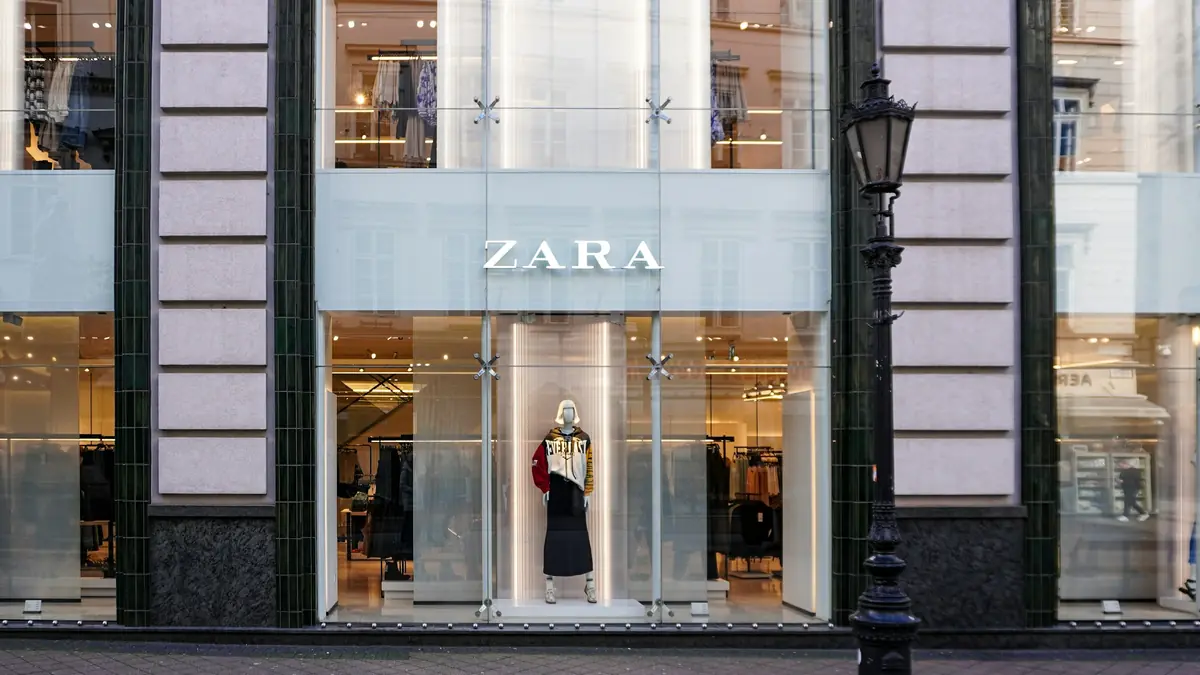
Violent protests sweeping Bangladesh, the world's second-largest apparel exporter, threaten to paralyze the global supply chain and directly impact consumer prices worldwide. The South Asian nation serves as a critical manufacturing hub for international fashion giants, led by Zara, alongside other major brands such as H&M, Walmart, and Primark. What began as a legitimate demand for a living wage quickly deteriorated into fierce clashes, road blockades, and arson, forcing the consecutive closure of nearly 700 textile factories across the country.
The unrest in and around Dhaka was triggered by garment workers demanding an increase in the monthly minimum wage from 12,500 taka to 30,000 taka, equivalent to roughly $243. Bangladesh currently maintains some of the lowest wages in the global textile industry, and as inflation surges and the cost of living climbs, workers report that their current pay is no longer enough to survive. Labor representatives stress that if factory owners cannot afford proper wages, they must demand higher prices from international buyers rather than building a thriving industry on the backs of workers buckling under the weight of poverty.
Escalation and Production Halts
Events on the ground escalated rapidly despite government attempts to calm tensions by establishing a special wage board to review the demands. Numerous protesters blocked major transport arteries, hurled stones, set fire to a police vehicle, and vandalized production infrastructure, prompting security forces to respond with tear gas. The acute violence and severe concerns for the safety of workers and equipment forced 679 factories to completely shut down their production lines at the most sensitive time of the year.
The timing of the shutdown is particularly critical for fashion retailers. The Bangladeshi textile industry—which employs some four million workers and accounts for roughly 80% of the nation's export revenues—is currently in the midst of producing and shipping upcoming spring and summer collections. The dramatic supply delays threaten to create bottlenecks in the global shipping chain and lead to product shortages on shelves. Furthermore, the expected wage increases and costs associated with delays and damages will ultimately be passed from the factories to fashion giants, and straight on to consumers facing higher apparel prices in stores.