Italy Deploys Troops to Milan as Protests and Security Measures Intensify
Thousands marched in Milan and European cities amid high security following violent weekend riots. Italian Prime Minister Giorgia Meloni deployed 500 extra soldiers and tightened penalties as authorities braced for unrest.
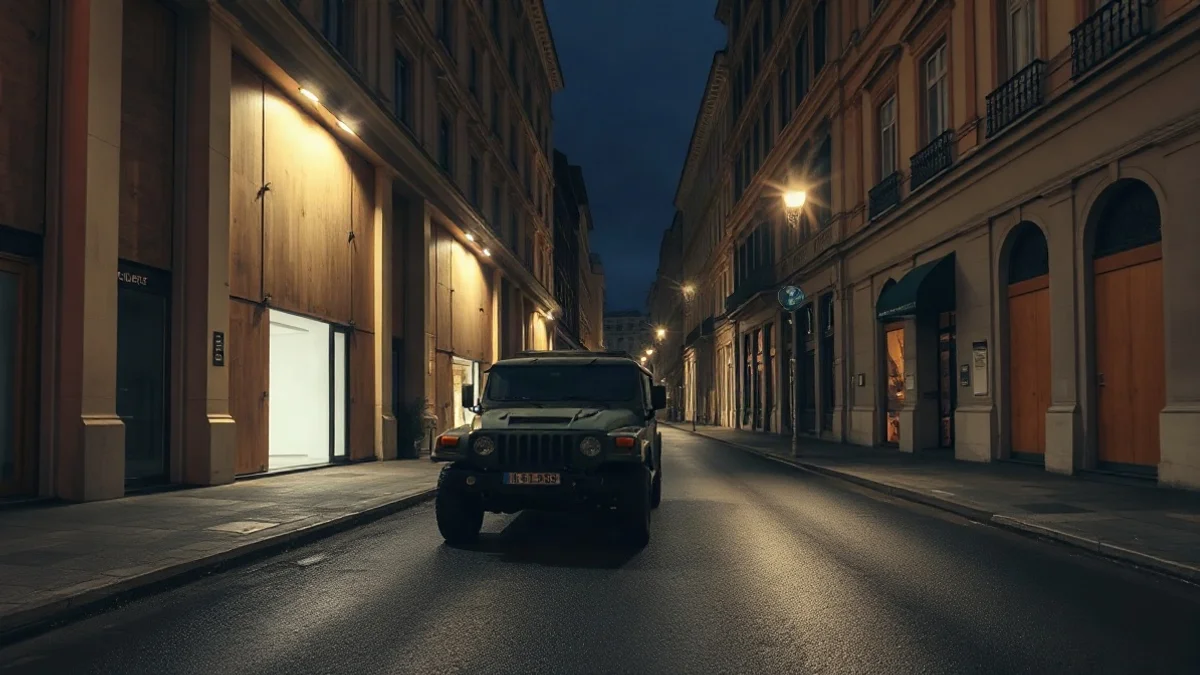
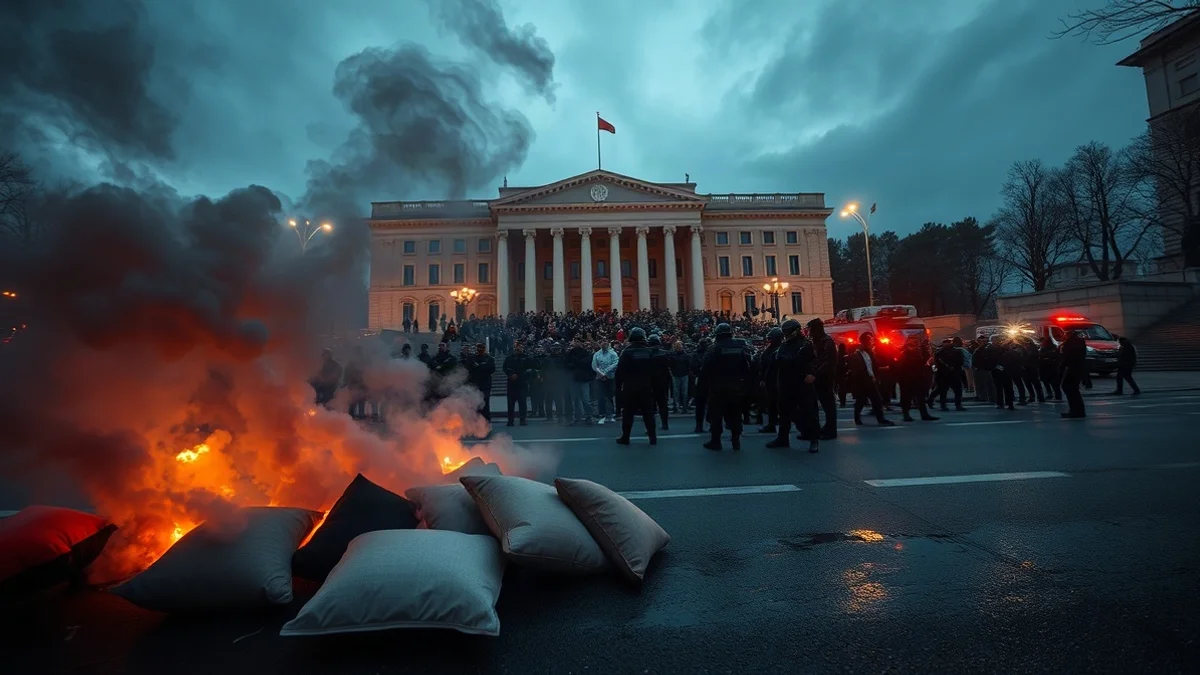
Thousands of young people marched through the streets of Milan on Saturday as security forces braced for potential renewed riots and looting following a violent previous weekend. Military vehicles were deployed across the city, and luxury storefronts, particularly in the upscale fashion district housing brands like Omega, Tiffany, and Gucci, were boarded up with wooden panels.
Italian Prime Minister Giorgia Meloni announced a series of measures in response to the violence, including dispatching an additional 500 soldiers to Milan and toughening penalties for minors. According to police, numerous young people, including minors, were involved in last week's unrest.
The demonstrations in Italy are part of a broader wave of protests sweeping many European cities on Saturday, from Milan to Madrid, Lisbon, and Tirana. The protests address a variety of issues, including the education system, corruption, opposition to wars, pensions, and housing.
Security Measures and Protests
As darkness fell, crowds gathered in Milan, chanting slogans against Meloni and waving banners reading, among other things, "No to the state's lies." During the demonstrations, a group of protesters dumped organic waste outside the Italian Energy Authority and burned a large symbolic electricity bill, according to local television footage.
The 500 soldiers sent to the city joined hundreds of troops already stationed there, alongside approximately 5,000 police officers and additional security personnel. Authorities deployed an extensive security apparatus, including drone surveillance, checks at railway stations, rapid response units, and social media monitoring to detect potential calls for violence.
Milan Mayor Giuseppe Sala expressed concern over recurring riots and supported sending additional military forces. The concern is not limited to the city center, as authorities also prepared for the possibility that protesters might move to other neighborhoods.
Arrests and Ministerial Clarifications
During the previous weekend, rioters broke into shops and looted merchandise, including sneakers, sportswear, and athletic equipment. Some of the affected stores are located on streets branching off the central Piazza del Duomo.
According to Milan police, last week's violence and looting involved approximately 2,000 very young protesters, including many described as naturalized Italians or second-generation immigrants, alongside foreign nationals. Over the course of two days, 45 people were arrested, 34 of them minors.
At the same time, authorities announced they are investigating a 30-year-old independent journalist suspected of being the mastermind behind the new protest movement established on October 17, which has become a primary driver of the recent demonstrations in Italy.
Italian Defense Minister Guido Crosetto clarified that the soldiers deployed on Saturday recently received authorization to use zip ties, but only in areas adjacent to railway stations and not throughout the entire city. He stated that they are not permitted to carry pepper spray or tasers.
Tensions in Rome
Security was also heightened in Italy's capital, Rome. Authorities closed upscale shopping areas to traffic and tightened supervision around the Circus Maximus and Piazza del Popolo.
A small group of protesters attempted to forcibly enter the Colosseum, but security guards removed them from the site. Meanwhile, several hundred students demonstrated peacefully in the city, emphasizing that they are not part of the rioters.
"I think the images from last week were terrible, especially for young people, for students, and for the vast majority of the younger generation who want to study," said Riccardo Ponzio, national president of an Italian student organization affiliated with the right wing.