Beyond the Menu: How Israelis Actually Choose Where to Dine
A new Ontopo study reveals that Israelis choose restaurants based on atmosphere rather than cuisine, favoring digital bookings, spontaneity, and peer recommendations over AI or influencers.
When analyzing where Israelis love to eat, internet searches might suggest that Italian cuisine reigns supreme, with Asian food trailing closely behind at roughly half the volume of searches and bookings. However, new insights reveal that culinary preferences are shifting rapidly toward experiential dining over specific food categories.
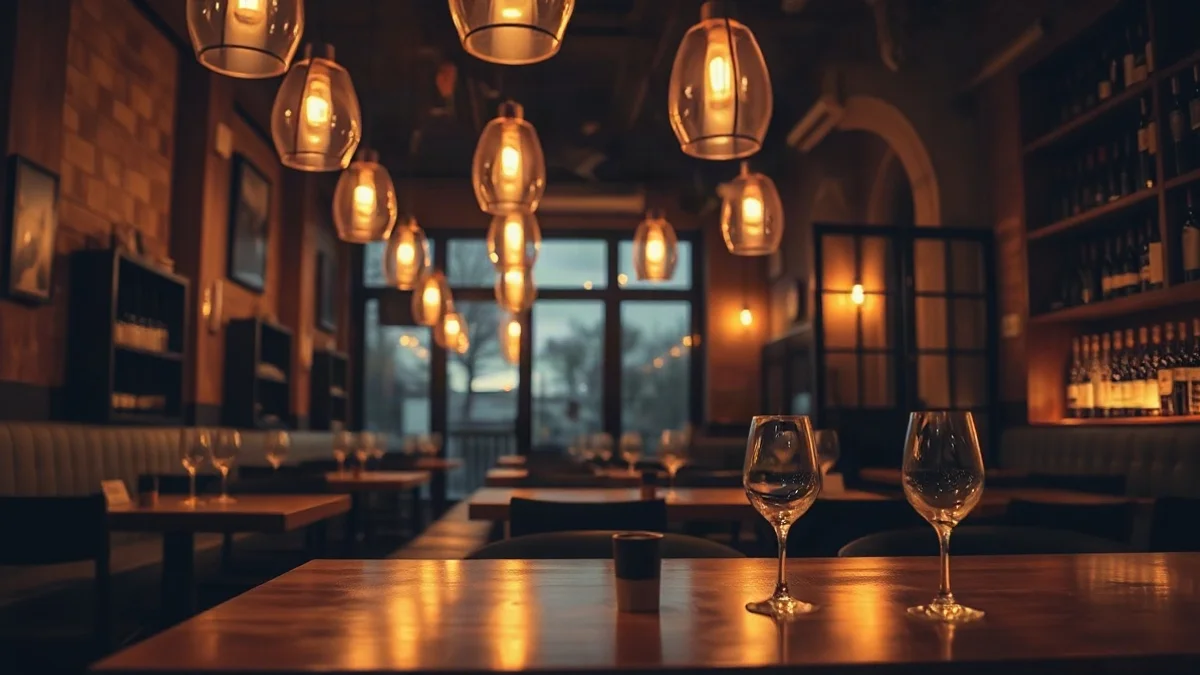
"People used to search for a restaurant primarily based on the type of cuisine it offered, but today they look more for the type of experience—whether a place is suitable for a date, a happy hour, or a relaxed evening with wine," explains Itzik Edri, VP of Marketing at Ontopo, a leading restaurant management and reservation platform operating in Israel and Europe. Data shows that 40% of searches rely on atmosphere filters, compared to just 30% for specific cuisines.
Spontaneity Meets Digital Booking
Ontopo engages with 2 million unique users every month, translating to roughly one million monthly reservations. A recent behavioral study examining 4,000 active diners highlights a clear preference for digital convenience, spontaneous outings, limited influencer sway, and the growing integration of artificial intelligence.
According to the findings, 71% of restaurant reservations are made online, while only 29% are booked via phone. Israelis cherish spontaneity, with nearly half of all routine bookings made on the exact day of the outing. Roughly 75% are booked three days in advance, and 86% within a week. The timing of a reservation strongly correlates with the vibe: wine bars attract last-minute bookings, whereas high-end establishments naturally require advanced planning.
However, spontaneity fluctuates depending on the security situation. "We act as a barometer for what is happening in the country," Edri notes. "During security tensions, people stay home. Conversely, the very first sign of relief leads to a surge in same-day restaurant bookings."
The Limits of Influencer Culture
While Israel’s influencer economy remains robust, diners are increasingly skeptical of sponsored content. While 61% of respondents visited a restaurant over the past year following a food creator’s recommendation, about 75% admit that commercial partnerships undermine their trust. Roughly 43% take food influencers with a grain of salt, and 32% view their posts as pure advertising.
Age demographics reveal a stark divide: among diners under 24, influencer recommendations are highly effective at 91%, but that figure drops to 75% for ages 35–44, and plummets to just 36% for those 65 and older. Ultimately, the primary driver for choosing a dining spot remains word-of-mouth recommendations from friends and family, cited by roughly 82% of diners.
Artificial Intelligence and Culinary Searches
AI tools are also carving out a niche in the culinary landscape. Approximately 44% of respondents used Gemini or ChatGPT for dining recommendations over the past six months. Yet, only 7.7% blindly trust AI recommendations, and 77% cross-reference the suggestions with alternative sources like Google, reviews, or Ontopo.
As Ontopo continues to innovate, adapting to shifting consumer trends in Tel Aviv, Jerusalem, and beyond, the Israeli dining scene proves that atmosphere, mood, and genuine recommendations ultimately dictate where people choose to break bread.