Third Quarter 2026 Real Estate Data Reveals Sharp Supply Shifts in Israel
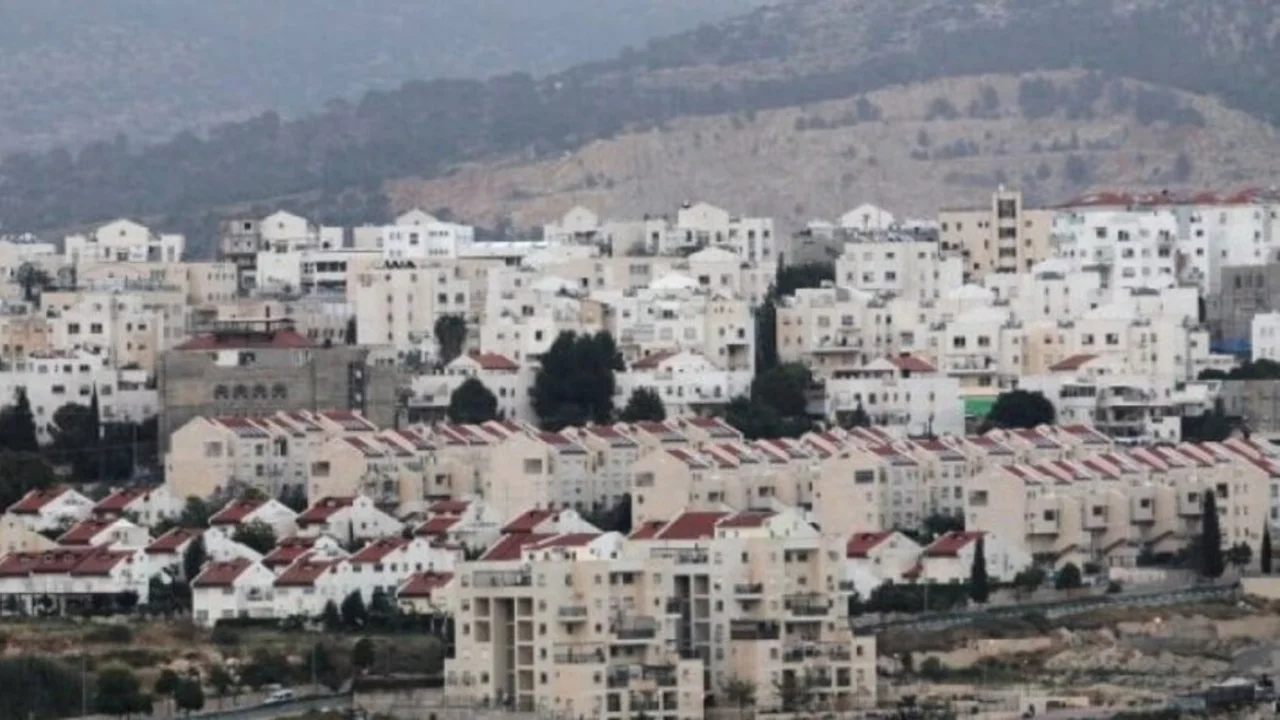
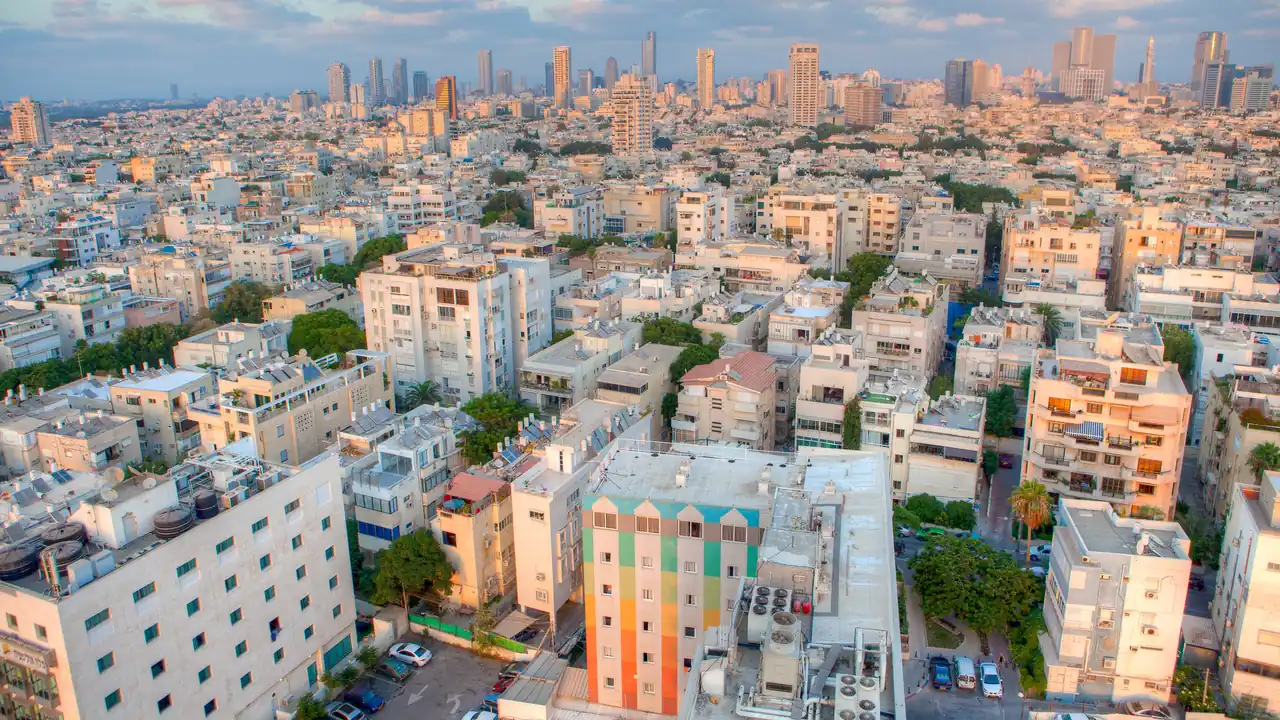
Data for the third quarter of 2026 reveals stark contrasts in Israel's real estate market, marked by falling housing supply in central cities and rising inventory in peripheral regions.

Israel's real estate market in the third quarter of 2026 reveals significant regional disparities, with a sharp contraction in housing supply in central areas alongside a notable surge in the periphery and the north, according to data from Yad2.
Holon led the cities with the sharpest decline in secondhand housing supply, dropping by 14.3%. Other cities experiencing significant supply drops include Pardes Hanna-Karkur with a 13.2% decrease, Yehud-Monoson down 12.3%, Ness Ziona dropping 12.0%, and Kfar Saba seeing an 11.6% decline. In these high-demand areas, dwindling inventory combined with resilient buyer interest points toward continued upward pressure on property prices, with Holon registering a minimal demand drop of just 0.4%.
Conversely, Migdal HaEmek topped the list of cities experiencing the largest surge in housing supply, recording a sharp 23.1% increase. Other notable supply increases were registered in Karmiel up 16.9%, Tirat Carmel up 15.7%, Kiryat Ono rising 13.2%, and Gan Yavne up 12.1%. While a surge in supply typically exerts downward pressure on prices, robust demand growth in Kiryat Ono and Tirat Carmel of 11.5% and 10.7% respectively helps balance the market. Meanwhile, cities like Beersheba, Gan Yavne, and Acre are seeing falling demand coupled with rising supply, a trend expected to lead to price corrections.
Earlier market trends analyzed in June 2026 highlighted Modi'in, where demand rose by 9.1% while supply dropped by 9.3%. Beit Shemesh also showed tight market conditions with a 9.5% decline in housing supply and a more modest 5.1% drop in demand, maintaining upward pressure on local real estate values.