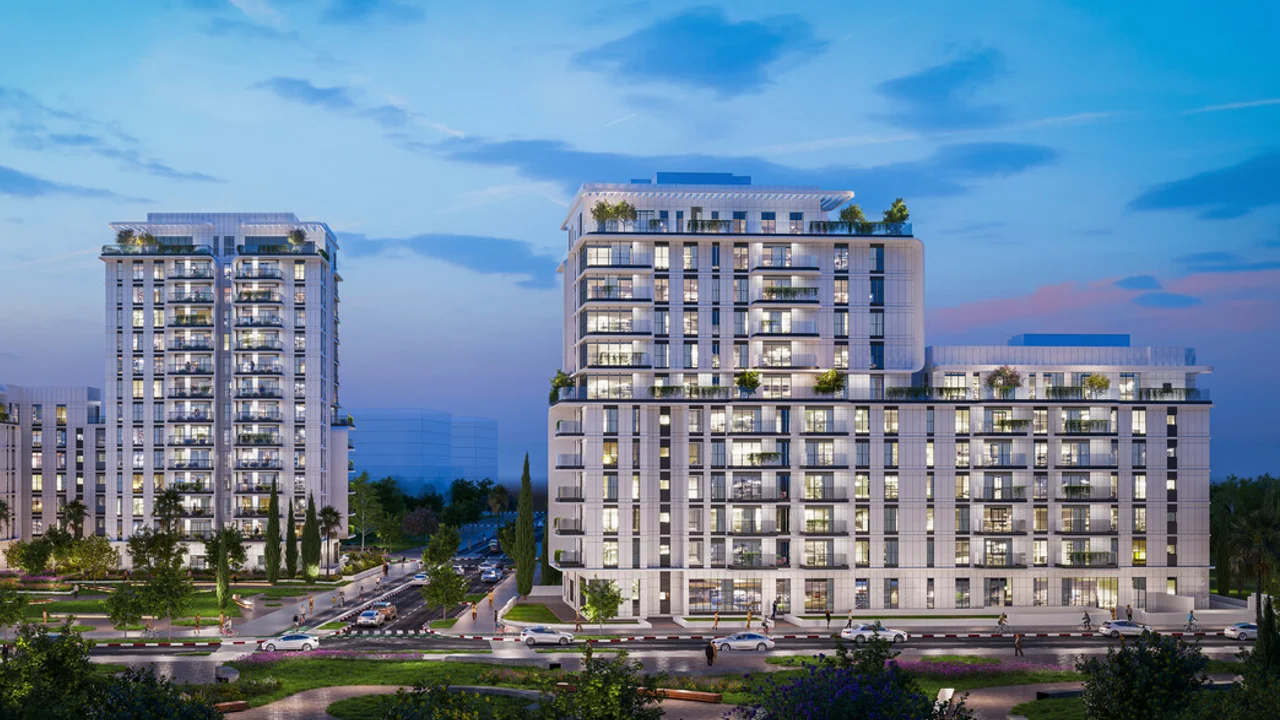
Housing Prices Drop in Select Israeli Neighborhoods Amid Slow Sales
Housing prices in several Israeli neighborhoods are dropping as oversupply slows down sales. Northern towns and Tel Aviv see average selling times exceed four to five months.
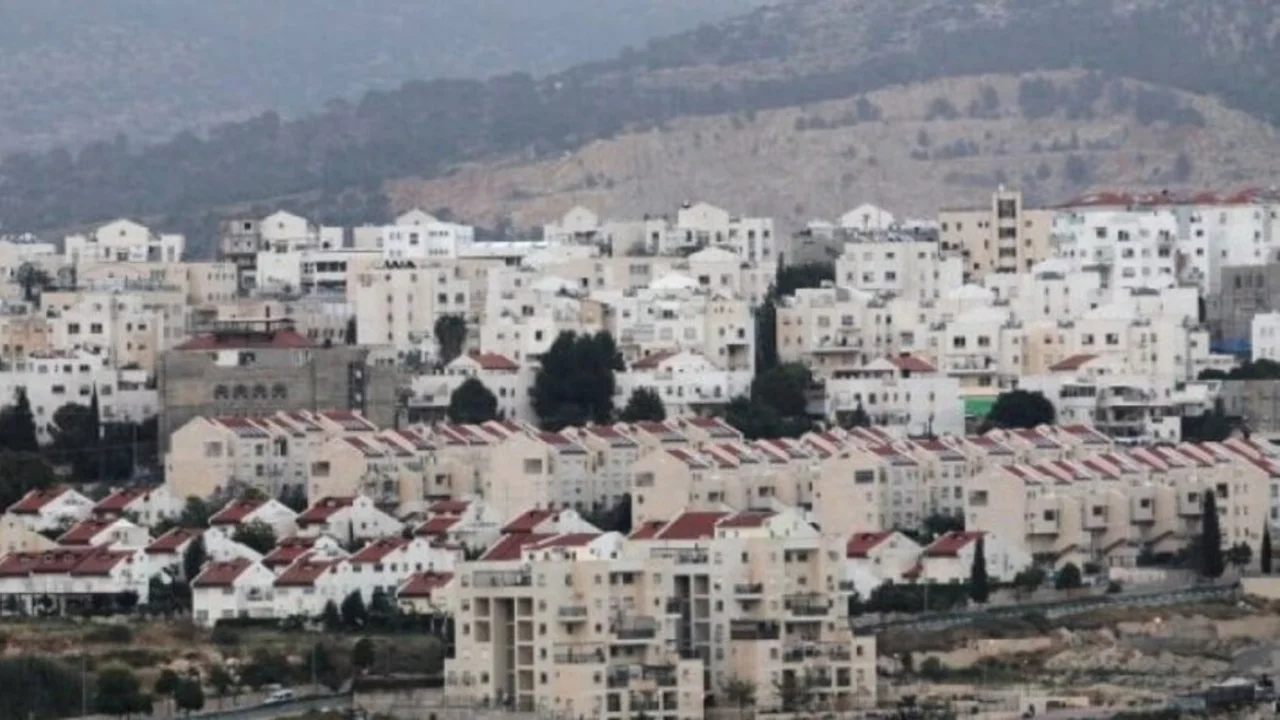
Housing prices in certain Israeli neighborhoods are experiencing significant declines due to shifting market dynamics between supply and demand. According to recent data analyzing the time it takes to sell an apartment, while some areas see sales completed within two to two and a half months, others face extended periods ranging from five to six months, with some sales stretching up to a full year.
An analysis of neighborhoods where properties take over four to five months to sell highlights a prominent trend in northern Israel. Three out of the top four slow-moving neighborhoods are located in the north, specifically in Kiryat Motzkin, Nahariya, and Kiryat Ata. In the Mishkenot HaOmanim neighborhood of Kiryat Motzkin, high housing supply has slowed down transactions, forcing sellers to offer an average price discount of 5%.
Similarly, properties in downtown Nahariya remain on the market for an average of 154 days, but sellers offer a higher discount of 6.3%. Market analysts suggest that reducing the discount to 5% would likely result in even longer waiting periods for sellers in the area.
Meanwhile, high-demand metropolitan areas show distinct pricing patterns. In the Old North of Tel Aviv, properties command the highest discount percentage at 6.6%, despite a relatively shorter average selling time of 133 days, driven by strong underlying demand for prime real estate.
In contrast, neighborhood Vav in Beersheba exhibits a different dynamic where buyers secure minimal price reductions. The average discount stands at a modest 2.2%, amounting to just 20,000 shekels, because entry-level prices for apartments lacking a secure room (Mamad) are already very low. However, selling a property still takes over 140 days due to a high supply of investor-owned units and slower demand for apartments without reinforced shelters.