Israel Real Estate Sector Faces Deep Crisis Amid Labor and Financing Hurdles
Israel's construction sector faces a profound crisis driven by labor shortages and high financing costs. Industry leaders urge the incoming government to implement a comprehensive rescue plan.
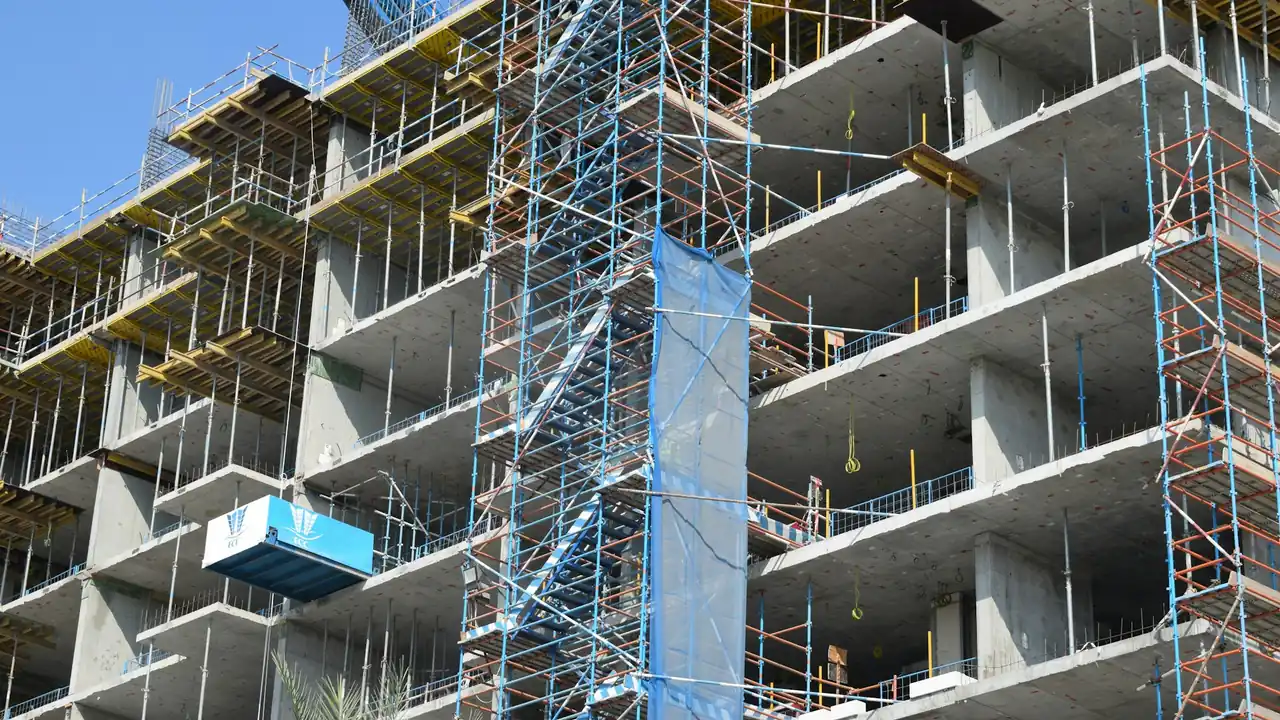
Israel's real estate and construction sector has faced severe headwinds over the past three years, compounded by the ongoing war, high interest rates, and soaring financing costs. Ran Yanai, CEO and owner of the construction firm T.P., warns that the incoming government's primary challenge will be to restore regular construction momentum by tackling three critical bottlenecks: labor shortages, high financing costs, and slowing demand for housing.
According to Yanai, reviving the sector requires a targeted governmental policy combining supply-side reforms with incentives for homebuyers. A central point of contention among contractors is the potential return of Palestinian workers. While some industry figures, such as Yossi Avrahami, strongly oppose rehiring Palestinian laborers due to security concerns, Yanai argues that a regulated framework with strict oversight is necessary to alleviate severe workforce shortages and prevent project delays.
Beyond labor, Yanai stresses the urgent need for government intervention in financing. High borrowing costs and complex project cash flows have strained construction firms, prompting a call for a dedicated state-backed credit fund to provide reasonable loans and ensure operational continuity. Furthermore, to stimulate market demand, Yanai suggests targeted grants for young couples and first-time homebuyers to ease equity barriers without stoking price inflation.
Yanai concludes that solving the construction crisis requires a synchronized, multi-pronged approach rather than isolated measures. Only by simultaneously addressing labor availability, credit accessibility, and buyer demand can the government restore stability, reduce project delays, and improve housing affordability for the public.