Israel's Energy Sector Proves Resilience Amid Regional Threats, Says Ratio CEO
Ratio Energies CEO Yigal Landau stated that Israel's energy sector successfully weathered regional threats over the past three years. Speaking at a national infrastructure conference, Landau highlighted that continuous natural gas supplies from independent reservoirs ensured grid stability while urging streamlined regulations to attract foreign investors.
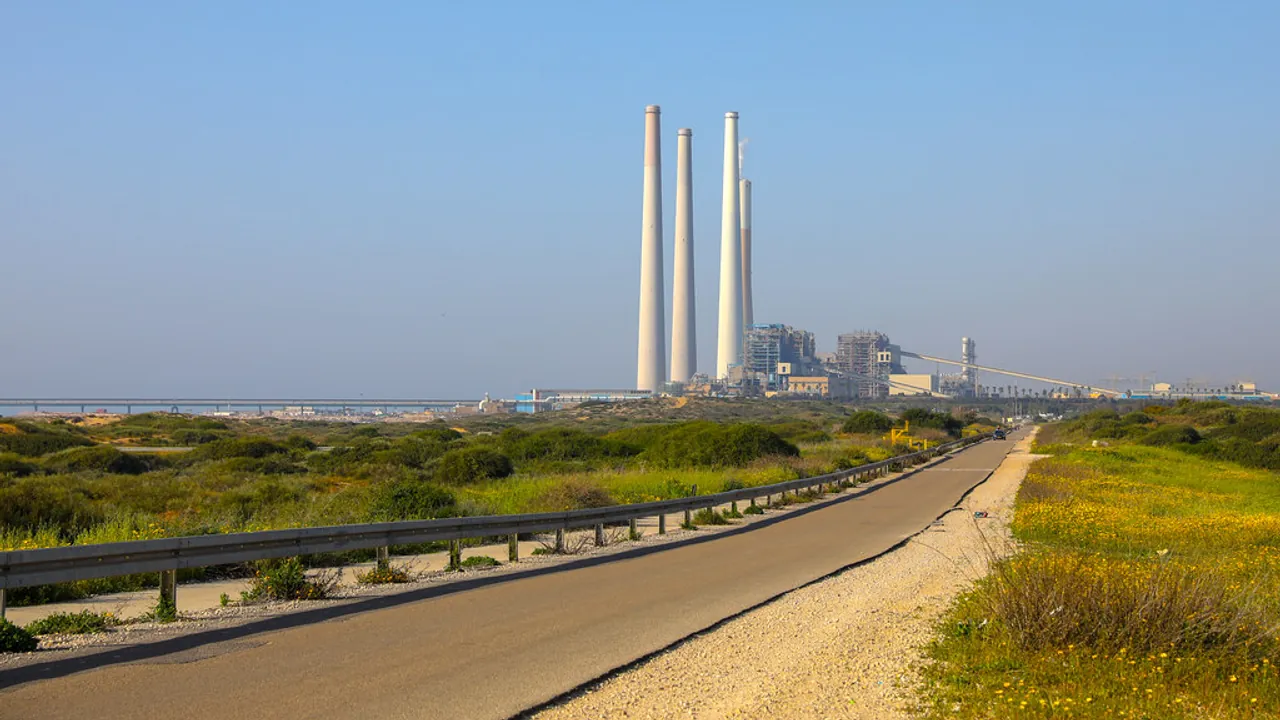
Israel's energy sector has proven its resilience over the past three years despite severe regional threats, according to Yigal Landau, CEO of Ratio Energies. Speaking at a national infrastructure conference co-hosted by local media and Bank Leumi, Landau emphasized that uninterrupted natural gas supplies averted potential catastrophic power outages during missile attacks from Lebanon and Iran.
Energy Security and Gas Reserves
Addressing energy security, Landau noted that Israel's power generation relies on decentralized renewable energy and three independent offshore gas reservoirs connected to the national transmission grid. Leviathan holds 21 trillion cubic feet (TCF) of gas, while Tamar contains 16 TCF. Currently, either reservoir alone can fulfill the nation's entire energy demand, and Tamar and Karish are projected to sustain domestic needs for the next 30 to 40 years.
Regulatory Hurdles and Foreign Investment
Landau stressed that unlocking Israel's vast offshore potential—which may double current discoveries—requires heavy investments and the participation of international energy firms. He criticized excessive regulation, pointing out that developing the Leviathan field took a decade from its 2010 discovery due to bureaucratic delays. Furthermore, Italian energy giant Eni recently abandoned a four-license venture following pressure from pro-Palestinian organizations, though Landau expressed hope for an imminent deal with an alternative firm.
Export Necessity and Future Outlook
Defending gas exports to neighboring countries like Jordan and Egypt, Landau explained that domestic consumption alone cannot justify the massive capital expenditure required for infrastructure expansion. Exports make new exploration economically viable. He urged incoming policymakers to streamline regulations, eliminate restrictive barriers for experienced local players, and attract global energy giants. Noting that the state has already reaped 10 billion shekels without investing a single agorot, Landau concluded that maintaining regulatory stability is vital to reinforcing Israel's status as a regional energy powerhouse.