Israel Imposes Strict 200MW Cap and Hefty Guarantees on New Data Centers
Israel's Electricity Authority has unveiled a regulatory policy capping data centers at 200 megawatts and requiring guarantees of up to 400 million shekels to manage surging AI power demands.
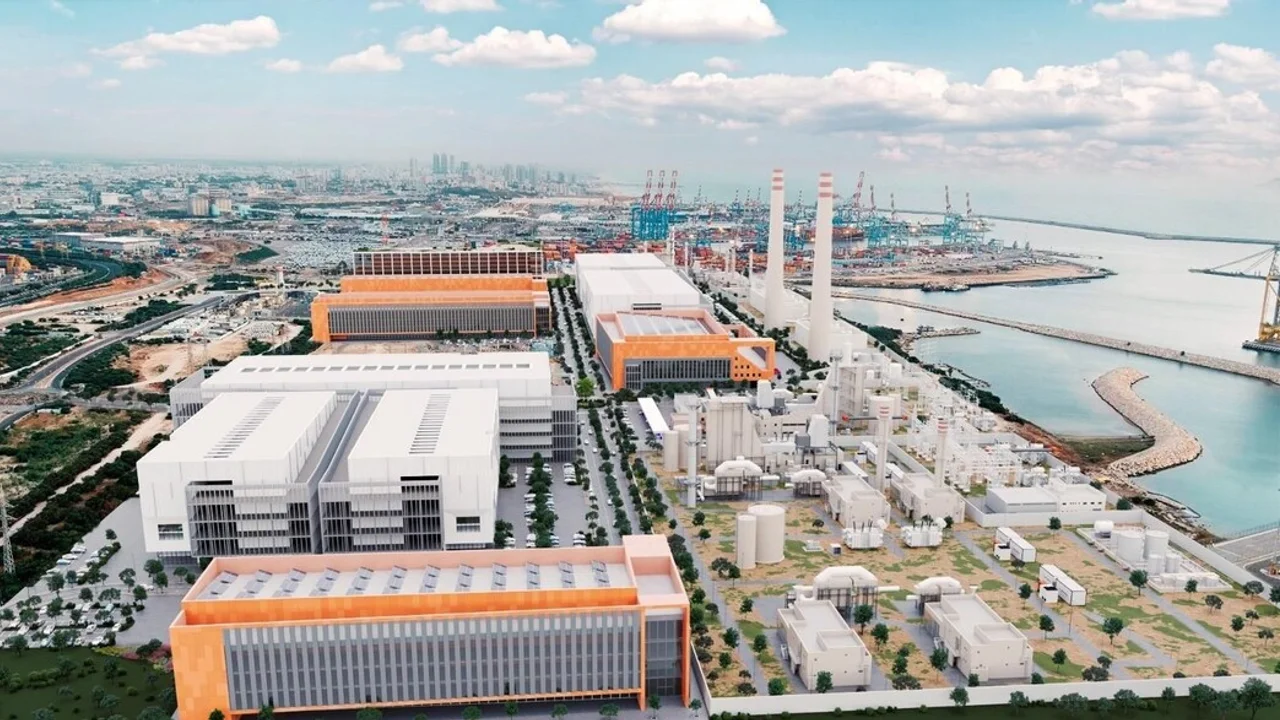
Israel's Electricity Authority has published its comprehensive hearing document outlining the regulatory policy for data centers through 2035. The new framework introduces strict capacity limits, hefty financial guarantees, and rules on self-generation amid surging demand driven by the artificial intelligence revolution.
Capacity Caps and Strict Limits
Under the proposed regulations, the maximum capacity for a single data center is capped at 200 megawatts. This restriction applies even to massive projects, such as the facility previously planned by real estate firm Mega Or in Hadera, which was designed to exceed 1,000 megawatts. Authorities will also prohibit splitting large facilities into smaller clusters and mandate substantial physical distances between sites to protect the national power grid.
Total capacity for new data centers operational by 2035 is restricted to 1,000 megawatts, with an additional 300 megawatts reserved strictly for facilities serving local clientele. In July, the Electricity Authority halted all new connection requests after receiving applications totaling 27 gigawatts—triple Israel's entire national electricity generation capacity—largely fueled by unprecedented demand for AI computing infrastructure.
Financial Guarantees and Deadlines
To eliminate speculative applications, developers must deposit financial guarantees of half a million shekels per megawatt, capped at 100 million shekels, upon initial application. This guarantee escalates to 2 million shekels per megawatt, reaching up to 400 million shekels, once final approvals are secured.
Quotas will be allocated on a first-come, first-served basis to developers who meet statutory zoning and regulatory requirements. Any project requiring more than seven years for completion will face automatic rejection, and all connection applications must be submitted by June 1, 2028. While data centers will be permitted to establish independent renewable energy generation and battery storage systems, on-site generation will not grant priority in the connection queue. The public hearing remains open for comments until November 17.