Toxic Smog from Indonesian Wildfires Sparks Regional Diplomatic Dispute
Toxic smog from massive forest fires in Indonesia triggers a regional health crisis and diplomatic tensions with Singapore and Malaysia, leading to export curbs and protests.
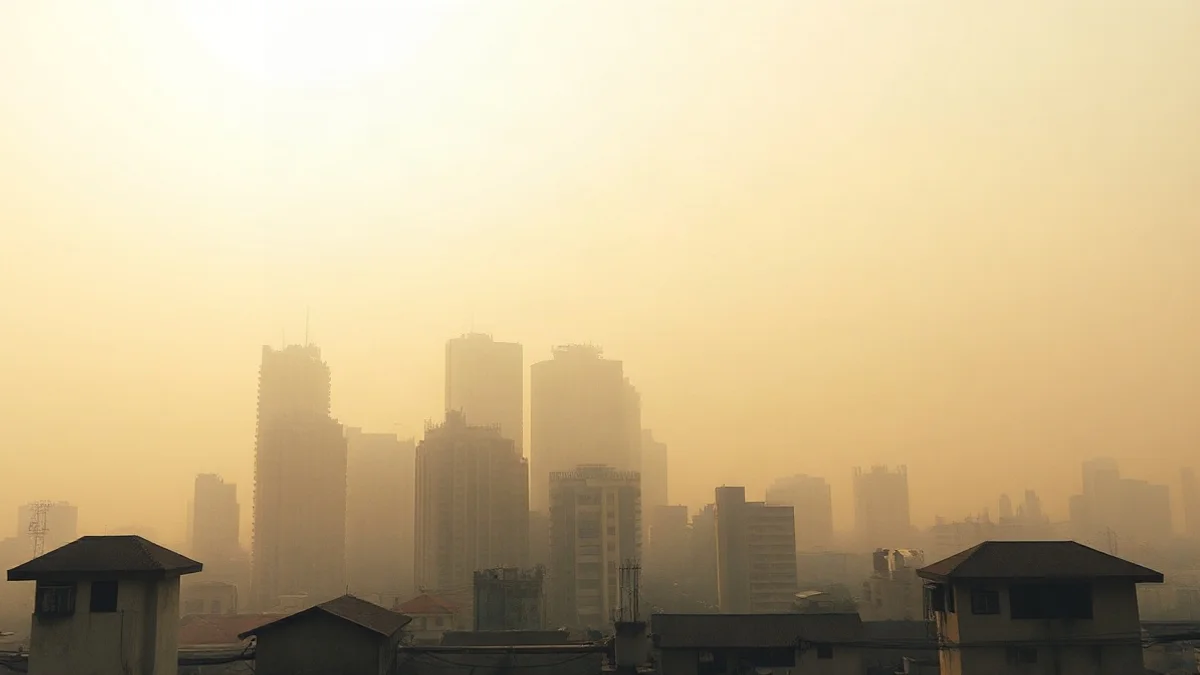
Massive toxic smog blanketed Southeast Asia as severe forest fires raged in Indonesia, triggering a regional health crisis and a diplomatic dispute with neighboring Singapore and Malaysia. The fires, driven by large-scale agricultural land clearance and exacerbated by the El Nino drought, sent dense smoke across borders, sickening hundreds of thousands of people.
Regional Health Crisis and Casualties
The Indonesian Ministry of Health reported over half a million cases of acute respiratory infections in the worst-affected areas. The Center for Research on Energy and Clean Air estimated that short-term exposure to the toxic smog contributed to 5,200 deaths during August and September. Winds carried the hazardous smoke into Singapore and Malaysia, escalating regional tensions.
Diplomatic Friction and Economic Measures
Singapore established hundreds of clean-air shelters and distributed masks to vulnerable groups, while investigating ten companies linked to the fires. Indonesian Foreign Minister Vivian Balakrishnan met with Indonesian President Prabowo Subianto in Jakarta to launch a joint task force. However, diplomatic friction intensified after an Indonesian official remarked that Singapore and Malaysia also benefit from Indonesian oxygen, drawing a sharp rebuke from Singapore.
Tensions escalated further when Indonesia threatened and subsequently implemented reductions in natural gas exports to Singapore. In Malaysia, citizens launched a boycott of Indonesian products after lawmakers urged sanctions against companies responsible for the fires, though Kuala Lumpur later opted to pursue a memorandum of understanding with Jakarta on fire prevention cooperation.