Why Vacationing Abroad is Significantly Cheaper Than Staying in Eilat
A three-night luxury hotel getaway in Eilat can easily approach 10,000 shekels, while similar five-star resorts in Greece and Cyprus offer significantly cheaper alternatives even after flights and car rentals, providing savings of nearly 30 percent for Israeli households.
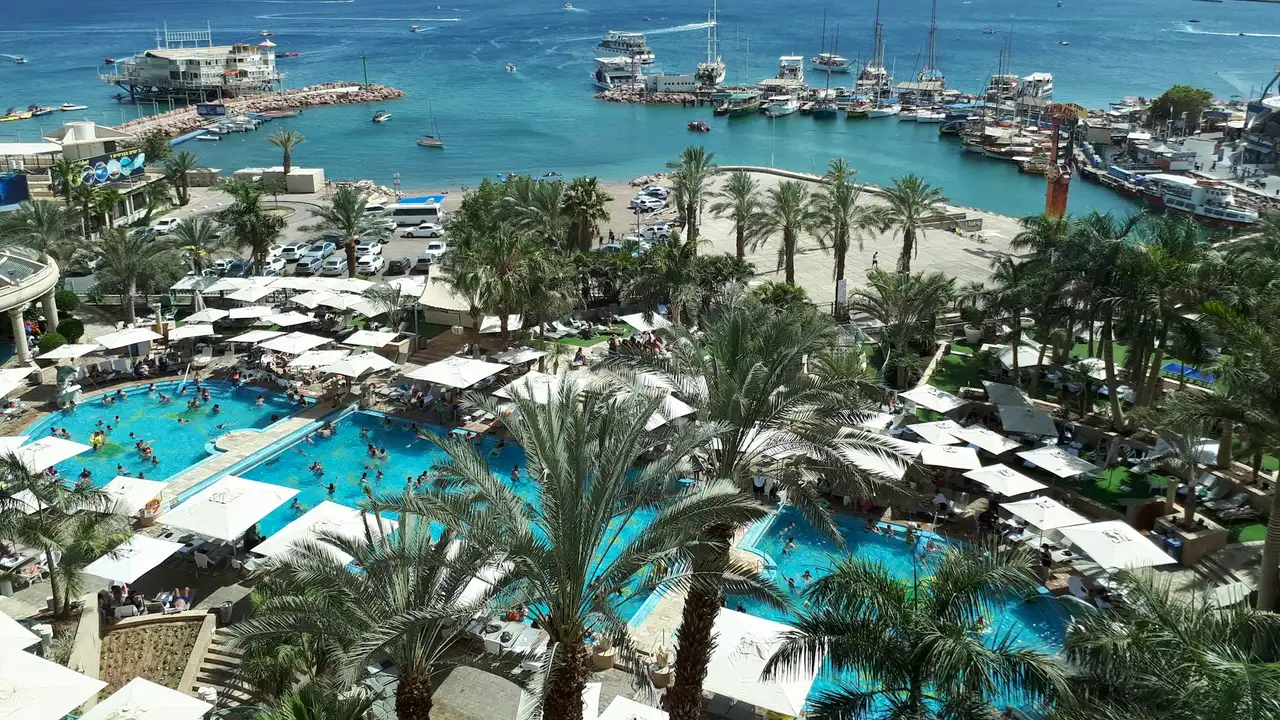
A weekend getaway at a five-star hotel in Israel has evolved into a premium product well beyond the reach of the average family. Data shows that a three-night couples vacation from Thursday to Sunday at a luxury hotel in Eilat during peak season amounts to approximately 6,400 shekels on a half-board basis. When factoring in fuel and vehicle depreciation of about 550 shekels for the round trip, alongside daily expenses of roughly 1,200 shekels for coffee, snacks, and leisure, the total weekend cost can rapidly climb toward 10,000 shekels.
The Overseas Alternative
In stark contrast, a quick glance beyond national borders reveals a fundamentally different consumer landscape. Those same three nights at a lavish five-star resort in Paphos, Cyprus, or Rhodes, Greece, sell within the range of 2,750 to 3,400 shekels per couple. Even when adding a pair of airline tickets costing around 1,800 shekels, full car rental for three days plus fuel at about 400 shekels, and a generous budget for dinners at local tavernas, the total cost hovers around 5,800 to 6,000 shekels. This represents a direct saving of over 2,000 shekels, constituting a gap of nearly 30 percent in favor of the foreign destination.
This gap widens even further when examining family vacations with children, where room prices in Israel frequently surge past 12,000 shekels, while family suites at overseas resorts sell for half that price.
Structural Costs of Israeli Tourism
This incomprehensible gap does not merely stem from the profitability of local hoteliers, but rests upon a unique and burdensome cost structure within the Israeli hotel industry. Hotels nationwide are required to maintain a complex kashrut apparatus including paid supervisors, dual kitchens, and expensive local raw materials, alongside stringent security standards mandated by the Israel Police requiring armed guards around the clock.
Additionally, municipal business tax rates in tourist regions are among the highest in the western world, and local wage costs, coupled with a chronic labor shortage, directly inflate every single room night. All of these factors encounter a market where the pace of new hotel construction remains exceptionally slow, generating persistent excess demand that sustains high price levels.
Hidden Financial Traps Abroad
Nevertheless, for an overseas vacation to genuinely remain cheaper, the Israeli consumer must navigate carefully around a series of accompanying financial pitfalls. Budget flights can become hundreds of shekels more expensive due to extra fees for trolley bags, seat selection, and desk check-in penalties. Furthermore, traveling abroad requires purchasing a comprehensive travel insurance policy costing dozens of dollars per person, while improper financial management can lead to foreign exchange conversion fees exceeding three percent on every credit card swipe. Early planning involving no-fee conversion credit cards and meticulous baggage measurement at home are prerequisites for preserving this economic advantage.
In the current economic reality, choosing to fly abroad instead of heading south to Eilat has shifted from a luxury consideration into a rational consumer decision for households striving to protect their leisure budgets. For most Israelis, the brief hour-and-a-half flight is no longer a barrier but the sole practical means of enjoying high-level hospitality without opening a deep deficit in their bank accounts. As long as market failures and local regulation fail to undergo fundamental reform, the resort cities of Greece and Cyprus will continue functioning as the preferred alternative for Israeli vacationers.