Global Report Details Active Sanctions on Israel as Middle East Tensions Escalate
A JPPI report reveals 94 active sanctions against Israel as European nations weigh trade limits. Concurrently, Saudi media condemns Houthi attacks on holy sites, while Iranian internet prices spike amid severe digital censorship.
A new report by the Jewish People Policy Institute (JPPI), published in The Algemeiner, reveals that 139 sanctions, restrictions, and diplomatic measures against Israel have been documented worldwide across 64 countries and international bodies. According to the data, 94 non-academic measures remain in effect, including arms sales restrictions, trade bans, and sanctions against individuals and organizations.
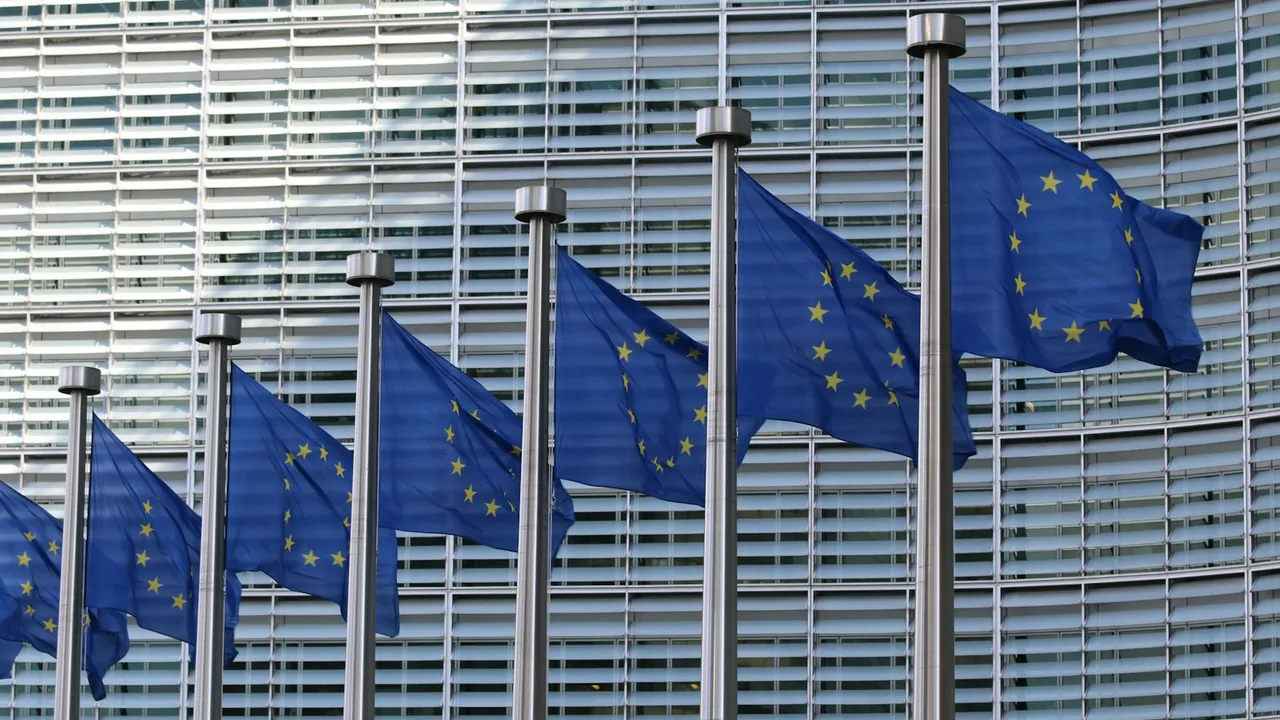
A significant portion of these measures is being promoted in Europe. The United Kingdom recently announced new restrictions targeting settlements in the West Bank, including a ban on the import of products originating from them and sanctions against entities involved in their expansion. France and Canada have indicated they will join similar measures, while other nations are weighing trade restrictions against Israel. Simultaneously, the European Union is evaluating the potential curtailment of economic and political cooperation with Jerusalem.
Dr. Shuki Friedman, CEO of the JPPI, warns that the repercussions could extend far beyond the immediate impact of the sanctions. He notes that the apprehension surrounding potential additional restrictions risks deterring foreign investors and damaging commercial ties and technological collaborations, even as the Israeli economy continues to register growth.
In a separate development, the Saudi newspaper Arab News published a sharp editorial condemning the Houthis in Yemen following missile and drone attacks targeting Mecca and Medina, Islam's holiest sites. The article asserts that the Houthis, who style themselves as Ansar Allah, are inflicting harm on Muslim civilians and sites of immense religious significance.
The editorial also references attacks earlier this month targeting the international airport in Riyadh. According to the figures presented by the newspaper, five days of attacks resulted in 18 fatalities and over 333 injuries. Alongside detailing the impact on passengers and families, the publication recalled Houthi operations in Yemen and their assaults on commercial vessels in the Red Sea.
Amid these events, the newspaper urges the international community to designate the Houthis as a terrorist organization. The United States has already applied this classification, and the article highlights appeals from senior clerics in Saudi Arabia and Gulf states to adopt comparable measures.
Meanwhile, residents in Iran are voicing strong grievances over a sharp surge in internet tariffs while connectivity remains sluggish, unstable, and tightly restricted by authorities, Iran International reported. The development follows a decision by the country's two largest mobile operators to hike data package prices by up to 40%.
Users across Iran report persistent difficulties in transmitting messages, images, and videos, alongside intermittent access to domestic online services. Many complain that purchased data bundles deplete at an unexplained rate despite minimal usage. These grievances unfold against a backdrop of sweeping digital censorship, where platforms such as Instagram, Telegram, and YouTube remain blocked, forcing users to rely on circumvention tools. According to a Freedom House report, Iran scored a mere nine out of 100 on the internet freedom index this year.