Poll: 75% of Residents in Conflict Zones Say Gaza War Will Shape Their Vote
A new survey shows 75% of residents in northern and southern Israel believe the war will heavily influence their vote in upcoming elections, revealing deep political and demographic divides over government performance and key issues.

A recent survey conducted by the Dialog Institute for ynet and Yedioth Ahronoth reveals that 75% of residents in northern and southern Israel believe the ongoing war, sparked by the October 7 attacks, will significantly influence their vote in the upcoming Knesset elections. Nearly half of the respondents, 48%, stated that the conflict will impact their voting decisions to a very large extent.
The poll, which surveyed 498 Jewish residents from conflict-affected communities, highlighted sharp criticisms regarding the government's international public diplomacy. Roughly 54% of participants expressed low satisfaction with Israel's global messaging, while only 23% reported high satisfaction. Deep political divides were evident, with 85% of voters supporting Gadi Eisenkot's Yashar! party expressing dissatisfaction with the public diplomacy, compared to 45% of Likud voters who reported high satisfaction.
Government Response and Post-October 7 Management
Public sentiment regarding the government's initial reaction to the October 7 massacres remains mixed, with 48% expressing low satisfaction and 31% reporting high satisfaction. Notably, internal coalition friction emerged: 23% of Otzma Yehudit voters expressed complete dissatisfaction with the initial response, compared to just 7% of Likud voters.
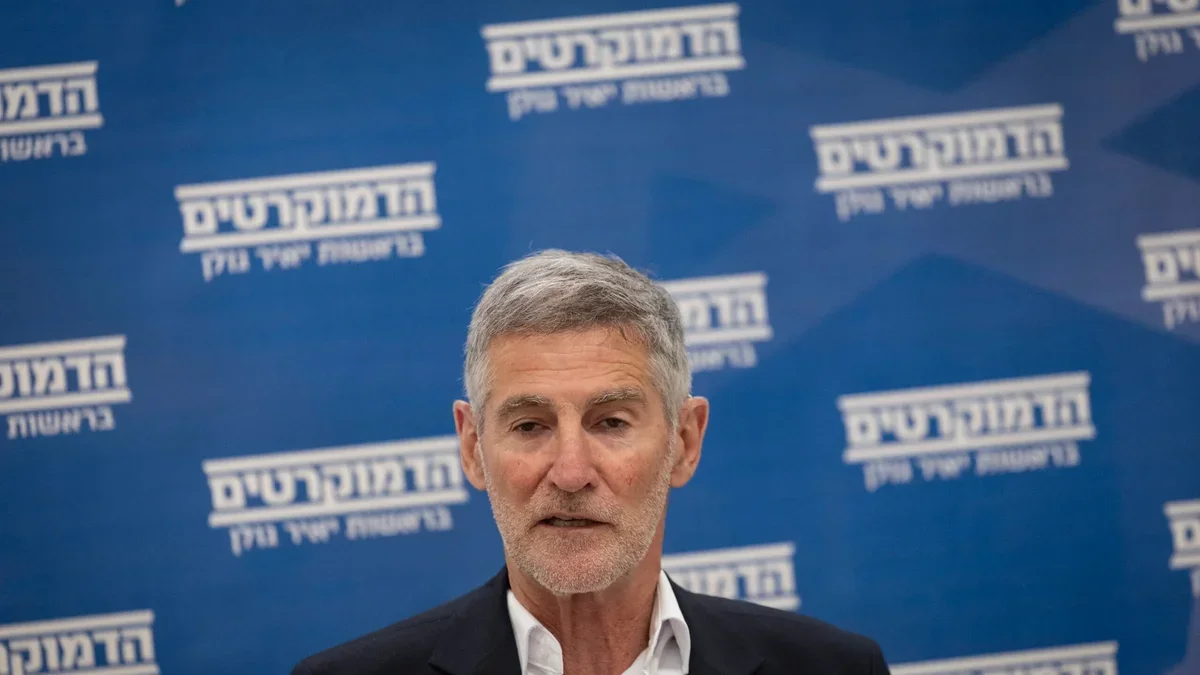
However, views on the subsequent management of the war were more favorable than the initial reaction. About 43% of respondents reported high satisfaction with the military campaign's execution, while 36% expressed low satisfaction. Among Likud voters, 78% expressed high satisfaction with war management, contrasting sharply with 87% of The Democrats (HaDemokratim) voters who reported being entirely unsatisfied.
Key Electoral Issues
When asked to prioritize the most crucial issues for the upcoming elections, respondents split evenly between the cost of living (32%) and the security situation (31%). The establishment of a state commission of inquiry into the October 7 failures was deemed the most significant issue by 17% of participants, while 13% prioritized equality in the military burden and the conscription of ultra-Orthodox citizens.
Demographic breakdowns showed that younger voters aged 18 to 44 are predominantly focused on economic pressures, with 40% citing the cost of living as their primary concern. In contrast, older demographics, particularly those aged 55 to 64, prioritize security matters at 39%.