Taste Preferences and Mortality: What Science Reveals About Diet and Longevity
A large UK Biobank study published in Scientific Reports links specific food preferences, like olive oil and broccoli, to lower mortality risks, urging mindful dietary diversity.
When nutritional researchers investigate the link between our diets and long-term health, they frequently encounter a major obstacle: human memory. It is nearly impossible to recall precisely what was eaten weeks prior, down to exact quantities, hidden sauces, and casual snacks.
The Taste Preference Approach
To overcome the unreliability of dietary recall, a large-scale study published in the scientific journal Scientific Reports took a novel route. Instead of asking participants what they remembered consuming, researchers simply asked about the foods they genuinely enjoyed eating. The underlying assumption is logical: taste preferences remain relatively stable over time, acting as an internal compass guiding everyday nutritional choices.
-
Data source: UK Biobank with 177,148 participants.
-
Follow-up period: Average of 3.4 years, tracking 3,355 deaths.
Healthier Foods and Mortality Links
Analyzing the survey responses revealed that a distinct preference for six specific foods and components consistently correlated with a lower risk of all-cause mortality: extra virgin olive oil, asparagus, broccoli, black pepper, butternut squash, and eggplant.
The connection between these six favored foods and higher survival rates remained robust across all statistical sensitivity checks performed by the researchers.
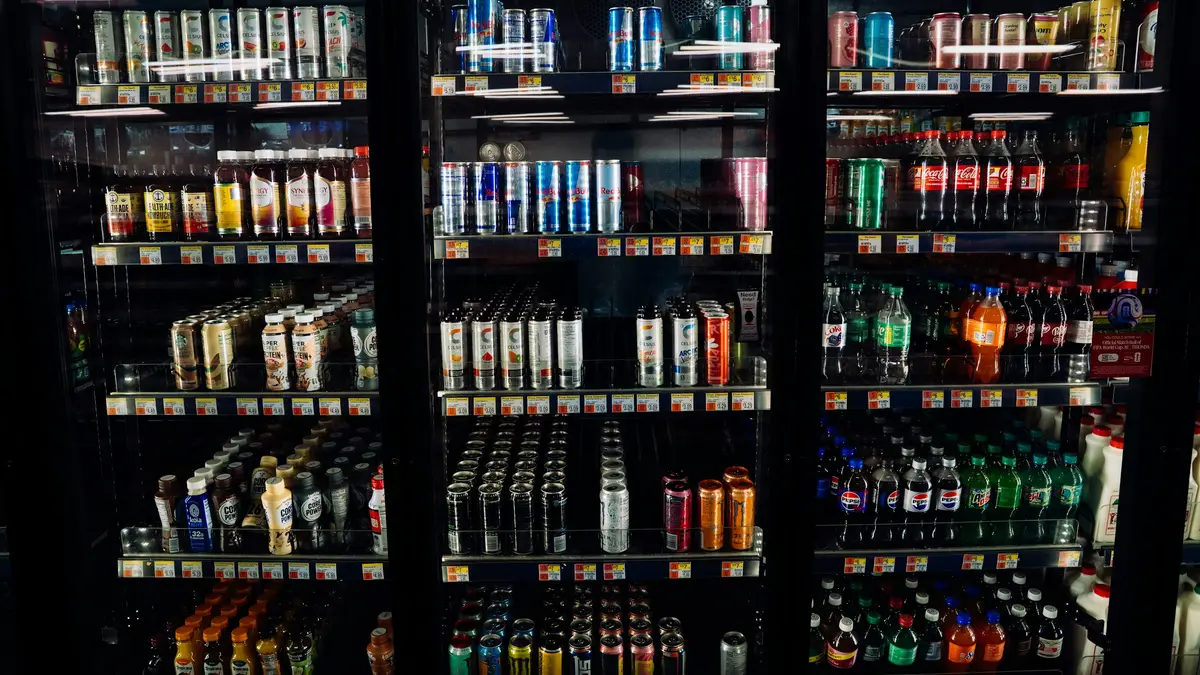
Conversely, clear preferences for certain items were tied to increased mortality risks. At the top of this list stood sugar-sweetened carbonated beverages, showing the highest statistical consistency throughout the testing phases. Milder correlations appeared for diet drinks, sweetened tea, cornflakes, and whole milk, though these were less stable.
Interpreting the Findings
Researchers urge caution against rushing to direct cause-and-effect conclusions. Preference does not always equal consumption, as economic factors or time constraints often alter real-world eating habits. Furthermore, reverse causality may explain findings such as the link between diet beverages and mortality, where individuals with pre-existing conditions likely switched to diet options beforehand.