About 3 years after the massacre: IDF estimates that a ground operation is inevitable, and prepares for the conquest of Gaza City
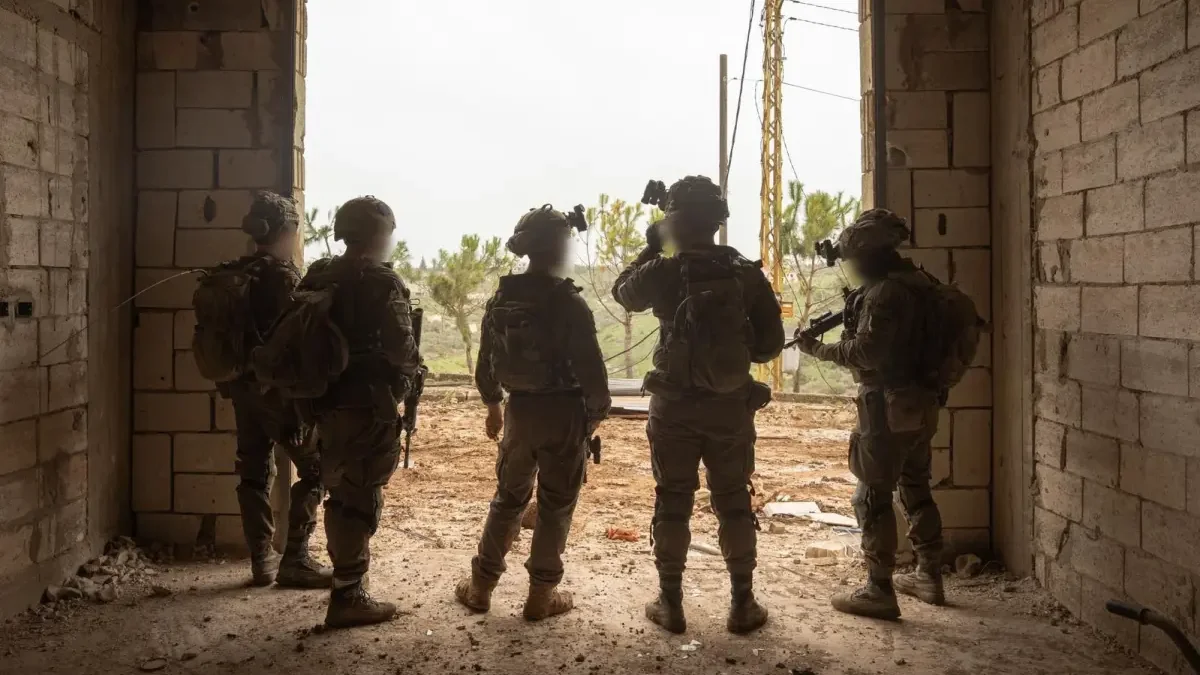
Approaching three years since the October 7 massacre, the security establishment understands that Hamas is rebuilding its strength in the Gaza Strip and building terror infrastructure. According to estimates, in order to disarm the organization, another ground maneuver is inevitable, including the conquest of Gaza City - a step expected to take place after the elections.
In mid-May of this year, the United States envoy to the Gaza Strip, Nickolay Mladenov, exerted significant efforts behind the scenes to promote the plan of United States President Donald Trump, which includes the demilitarization of the Gaza Strip and the transfer of authority from Hamas to the Peace Council.
However, at the political level and in the security establishment, it was understood that Hamas intended to "stall for time," not to disarm, and to rebuild its military wing. Consequently, it was decided to advance the plan for fighting in Gaza City. In that same month, the commander of the Southern Command, Major General Yaniv Asur, presented to the Chief of Staff Eyal Zamir the plan for returning to fighting in Gaza City, including plans for evacuation and moving the population to new humanitarian zones.
A security official privy to the details of the plan told Walla that it includes a gradual conquest of Gaza City, where most of the Hamas commanders and operatives from the military wing are hiding.
After several rounds of talks mediated by Mladenov and the Americans, including assistance from the UAE, direct pressure was exerted by Trump on Prime Minister Benjamin Netanyahu, who was forced to agree to progress in the process of rebuilding the city of Rafah as a first step and the entry of a multinational force consisting of 200 soldiers from foreign armies.
Despite the agreements between Jerusalem and Washington, the security establishment pressed to continue attacking operatives and senior field commanders from the air. In mid-August, a double-digit number of terrorists were killed by IDF fire. Several countries, including Egypt, Qatar, Turkey, Saudi Arabia, and the UAE, exerted pressure on the US to stop the fire, and Trump intervened again.
The IDF, under the guidance of the political echelon, ceased aerial fire for several days. It was later determined that aerial fire would be renewed in cases of immediate threats to forces or opportunities for eliminating senior officials.
However, in recent weeks there has been a turn: Hamas's military wing felt high self-confidence in light of the visit of Trump's son-in-law Jared Kushner to Hamas leader Khalil al-Hayya, one of the architects of the October 7 massacre.
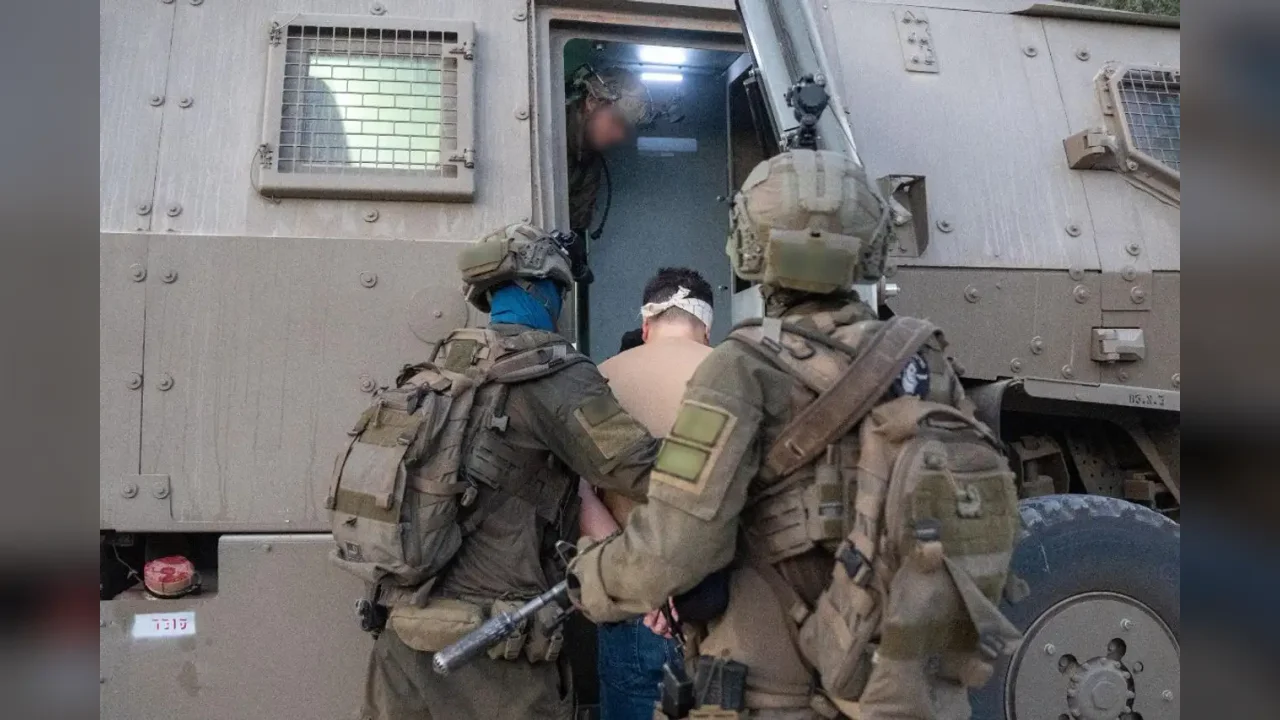
According to security estimates, Hamas began launching kites with incendiary or explosive materials. When assessments arose in the army and the Shin Bet that the next stage was the operation of drones, it was decided to return to the policy of targeted killings.
Now that the policy is at its peak with more than twenty eliminated in recent weeks, security officials estimate that there will be no choice but to operate on the ground again in the Gaza Strip after the elections in Israel and the midterm elections in the US.
Security officials warned the political echelon that Hamas is not only rebuilding its strength in the Gaza Strip, but is also establishing infrastructure for attacks against Israeli interests in Judea and Samaria and around the world.
To this end, the commander of the Southern Command is required to be prepared for a large-scale maneuver, including the operation of several divisions simultaneously. The heads of the security establishment understand that the reality in which Hamas is rebuilding and the IDF is attacking from the air cannot continue forever.