Israeli Politicians Vie for Religious-Zionist Support Ahead of Elections
A fierce political competition for the religious-Zionist public unfolded as Itamar Ben Gvir warned against exclusion from the next government, while Gadi Eisenkot and Matan Kahana pitched the 'servicemen's alliance' in Givat Shmuel.

Political Competition for the Religious-Zionist Public
Two political events held in parallel recently highlighted the fierce competition for the hearts and minds of the religious-Zionist electorate ahead of the upcoming elections in Israel. National Security Minister Itamar Ben Gvir addressed supporters in Jerusalem, warning of alleged pressures being exerted on Prime Minister Benjamin Netanyahu to exclude his party from the next coalition government.
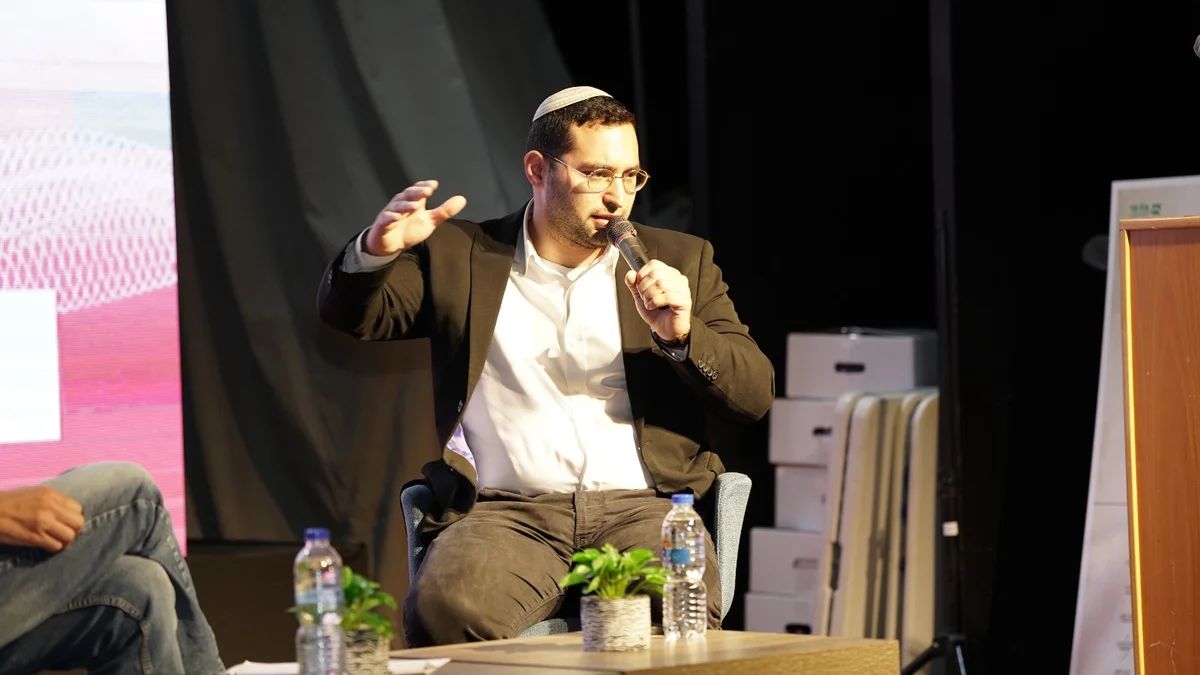
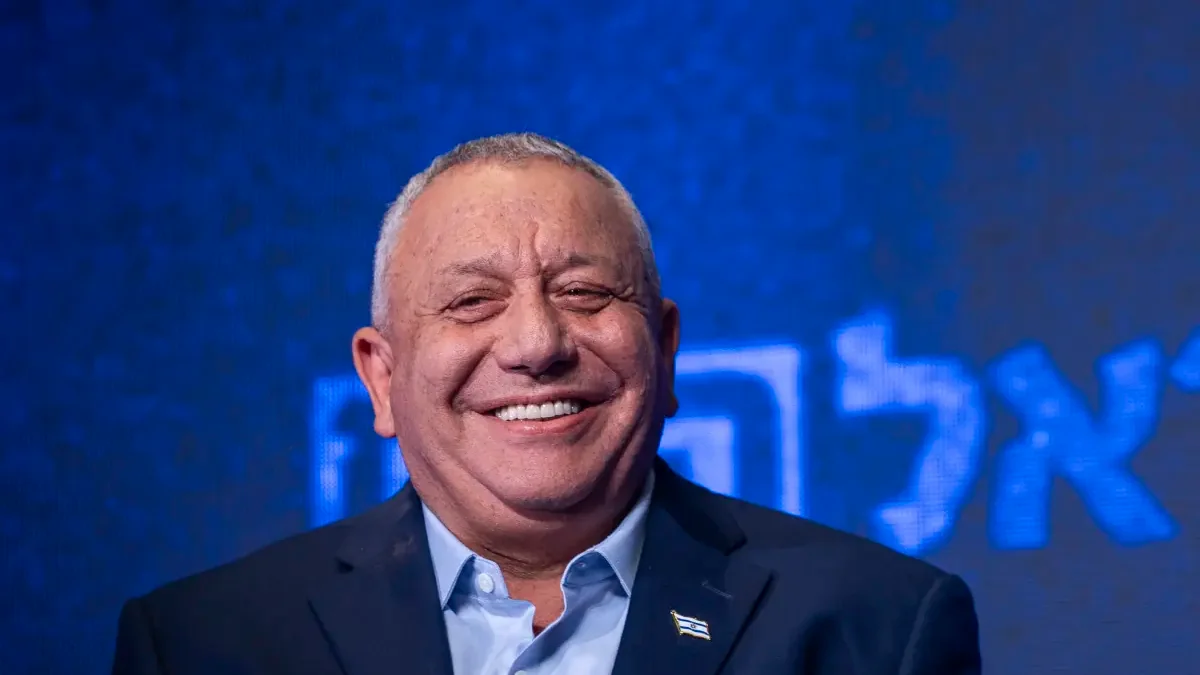
Meanwhile, in Givat Shmuel, the "Yashar!" party led by MK Gadi Eisenkot hosted a conference aimed at pitching its vision of a "servicemen's alliance." Joined by fellow party members Chili Tropper and Matan Kahana, Eisenkot sought to build a political partnership centered on IDF military service and an equitable distribution of national burdens. However, the event also exposed deep ideological tensions within the target audience.
Tensions and Controversies Over Military Service
During the Givat Shmuel gathering, an attendee openly confronted Eisenkot, shouting accusations regarding military reserve service and expressing deep distrust toward political alliances that include figures perceived as hostile to traditional and nationalist communities. Eisenkot responded by pointing to the realities of the ongoing Operation Iron Swords, asserting that the conflict has ultimately made the IDF a larger and more unified institution.
Addressing the political elephant in the room regarding prospective alliances with figures like The Democrats leader Yair Golan, Matan Kahana sought to reassure the religious-Zionist public. He pledged that preparatory military academies, such as the Bnei David academy in Eli, would remain fully secure under an Eisenkot-led government, while drawing a sharp contrast with the ultra-Orthodox leadership:
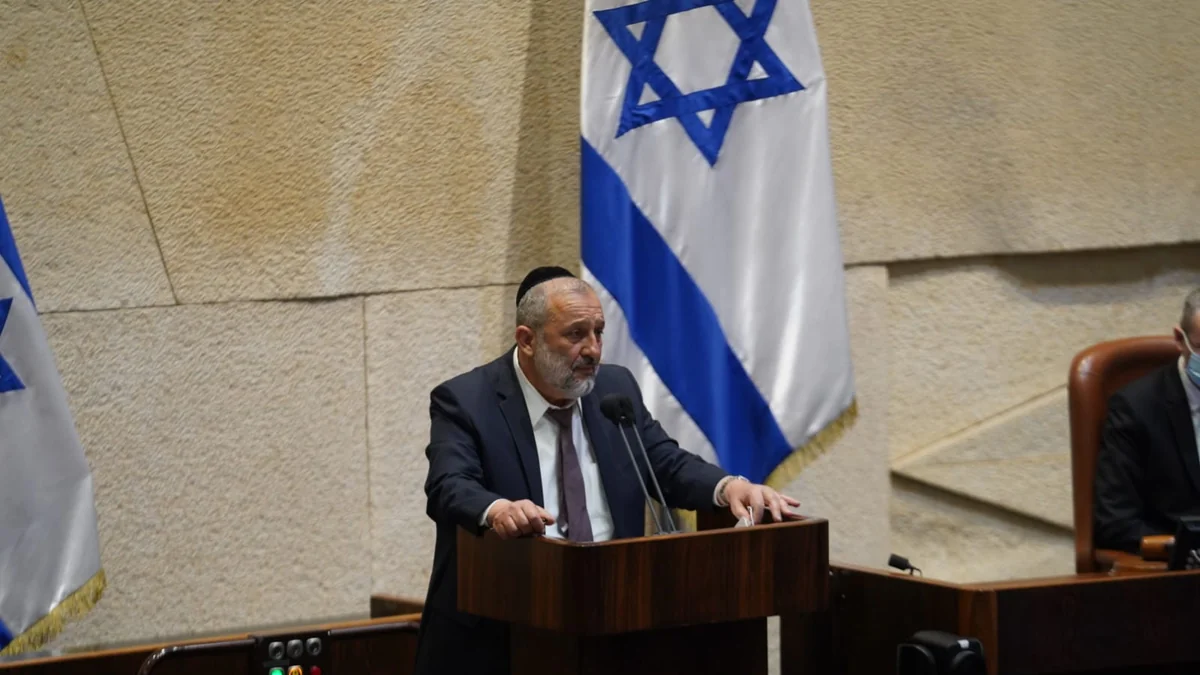
On October 7th, not a single son of Goldknopf jumped into battle, nor did the grandchildren of Deri, who boasted about draft evasion. We stand for the servicemen's alliance.
As the political landscape shifts toward the 2026 Knesset elections, these competing narratives illustrate a fundamental divide. While figures like Ben Gvir focus on political survival and right-wing solidarity, centrist factions are heavily banking on the unifying—yet deeply controversial—theme of military service to bridge ideological chasms.