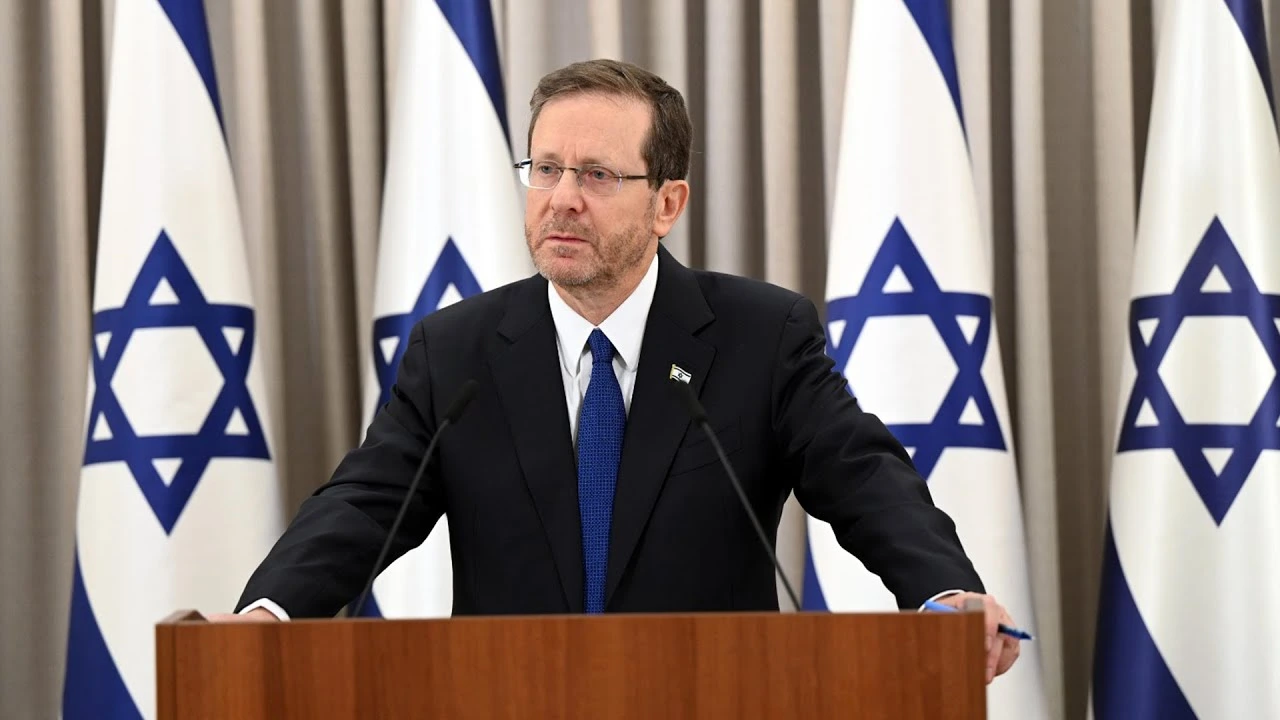
Battle for the Periphery: Eisenkot Challenges Likud’s Traditional Base in 2026
The 2026 Israeli election sees fierce competition in peripheral towns as Yashar! leader Gadi Eisenkot challenges Likud's traditional base. While Prime Minister Benjamin Netanyahu warns against a left-wing coalition, Eisenkot seeks to neutralize right-wing hostility and suppress Likud turnout.
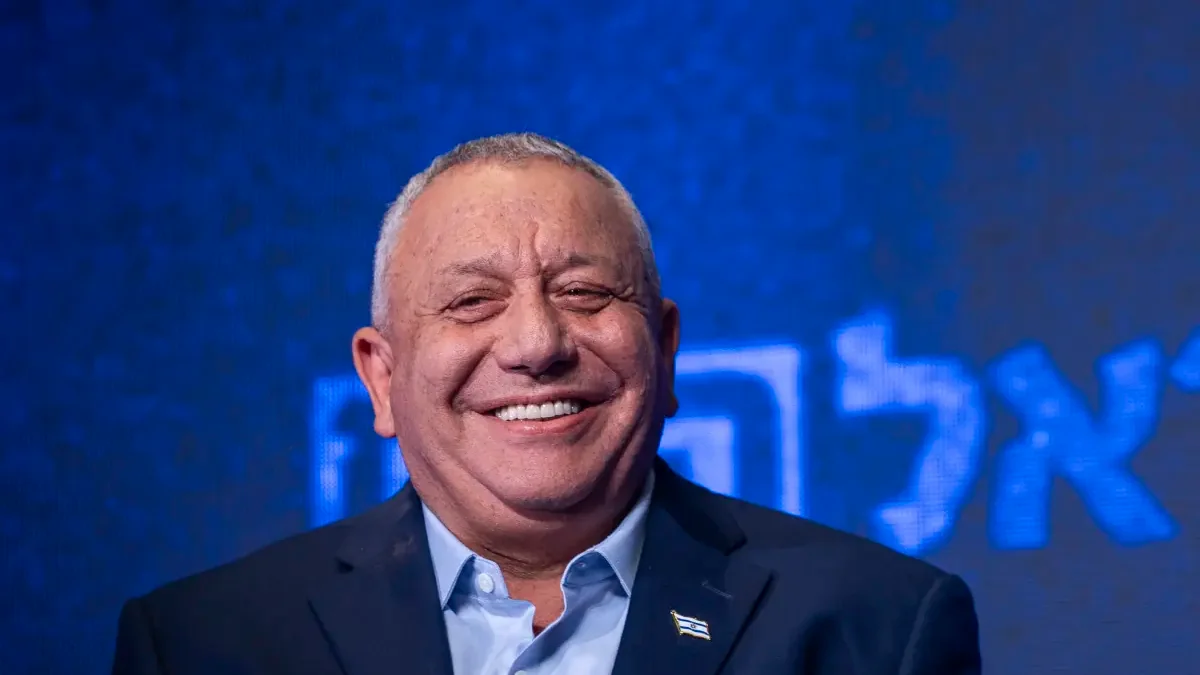
The 2026 election campaign in Israel is largely unfolding at a low volume compared to recent years, yet fierce battles are taking place in the periphery and towns with a high concentration of Mizrahi voters. Traditionally, this demographic has leaned toward Likud, but the starting point of the current campaign is that a large segment of Likud voters is hesitating after the events of October 7 and government attempts to exempt Haredim from IDF service. It remains unclear whether this electorate will turn out en masse to support Prime Minister Benjamin Netanyahu.
Both Netanyahu and his main challenger, "Yashar!" party leader Gadi Eisenkot, have targeted specific cities to boost voter turnout. Eisenkot's campaign focuses on what they term the "40 golden cities," including Eilat, Dimona, Beersheba, Netanya, Hadera, Afula, and Holon. For instance, Eilat—Eisenkot's childhood home—received special attention and one of the highest campaign budgets allocated to any city.
The Battle for the Periphery and Mizrahi Identity
In peripheral towns and development towns that the liberal camp usually concedes to Likud, Gadi Eisenkot—the sole Mizrahi candidate for prime minister—is waging an aggressive campaign. This week, his party pushed the strategy further, blanketing many peripheral towns with unconventional billboards bearing the slogan "Prime Minister dialna," meaning "our own prime minister" in Moroccan Arabic.
According to polls conducted by his headquarters, even if Eisenkot does not capture hardline Likud or "Bebist" voters, he does not evoke negative feelings among them—quite the contrary. Internal polls suggest he is viewed with some sympathy on the right, meaning his main goal is to convince the Mizrahi public that he poses no threat. Consequently, even if these voters do not cast ballots for him, they may simply stay home rather than feeling an urgent need to support Netanyahu.
Eisenkot is completing his tour of the 40 targeted cities to reach undecided voters with the potential to shift voting patterns, even across blocs. Targeted efforts are also underway to capture the Religious Zionism vote, with Eisenkot hosting a large conference for kippah-wearers in Givat Shmuel. Conversely, liberal cities with high baseline turnout for the change bloc received virtually minimal budget allocations.
Likud's Measured Response
Meanwhile, Likud continues its traditional campaign in the periphery, but with notably lower intensity regarding personal ridicule compared to past campaigns against figures like Benny Gantz, who faced derogatory labels. Likud's campaign against Eisenkot centers primarily on the narrative that he will "establish a government with the Arab parties," encapsulated by billboard slogans such as "Right or Palestine."
"A broad right-wing public might not vote for Eisenkot, but they see him as a good and worthy man: a Moroccan born and raised in the periphery, a bereaved father from the war," a senior Likud official told ynet. "Getting personal with him is a delicate game that could alienate moderate right-wing voters. Therefore, campaign boundaries are clear this time."
Despite this disciplined approach, minor slip-ups have occurred. Likud figures attempted to mock Eisenkot's English proficiency, and candidate Yaakov Bardugo ridiculed him for allegedly not reading books. Additionally, an incident where Channel 14 host Yinon Magal referred to the "Yashar!" leader as a "monkey" and claimed he is a Mizrahi candidate controlled by Ashkenazis inadvertently handed Eisenkot a boost in the unspoken ethnic subtext of the race.
As election day approaches on Tuesday, field deployment reflects these strategies. Most campaign activists and poll monitors are being dispatched to Likud-leaning peripheral towns, with minimal personnel sent to Tel Aviv, where high baseline turnout is already assumed.