Digital Screens vs. Paper Books: What Do We Lose When Reading Digitally?
Recent studies show digital reading impairs comprehension and memory compared to print. Discover the cognitive cost of screens, the reality of digital ownership, and how to choose.
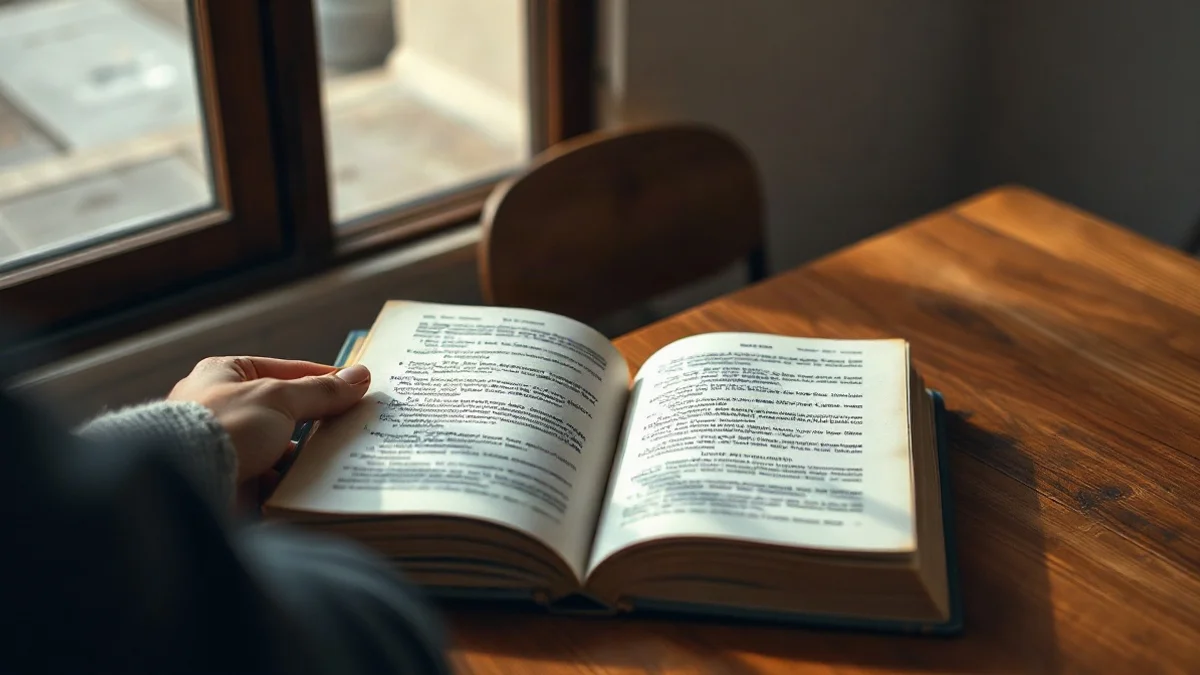
What do we lose when we read from screens? In a world where almost every aspect of our lives has gone digital, switching from paper books to e-readers seems entirely natural. The ability to hold an entire library in a device weighing less than an apple, change font sizes with a single click, and purchase a new title within seconds offers undeniable convenience.
The Screen Inferiority Effect
Recent psychological and neurological studies reveal a cognitive cost to this transition. The human brain does not process, understand, and remember texts read from screens in the same way it absorbs them from printed paper. The most significant difference between print and digital reading lies not merely in projected light, but in the loss of what researchers call the "topography of the book."
In a paper book, the reader holds the physical weight of the work. They tangibly feel how many pages they have read on the left and how many remain on the right, unconsciously remembering that a certain passage appeared "at the top of the left page near the back of the book." This spatial and tactile information serves as a critical memory anchor in the brain. On digital devices, where text scrolls or flips across a uniform glass surface, these anchors disappear.
The Amazon Trap
Beyond the cognitive aspect, the shift to digital involves a fundamental compromise regarding ownership. When you buy a paper book, it is yours forever—you can keep it on your shelf, write in the margins, gift it to friends, or pass it down to future generations. With digital books, users typically purchase merely a "reading license" dependent on company servers. A stark reminder of this occurred when Amazon remotely deleted copies of George Orwell's 1984 from thousands of Kindle devices due to a copyright dispute.
"The ability to sit with a paper book without distractions, feel its thickness, and dive deep into its ideas is not just a nostalgic preference—it is the most effective way to preserve our concentration and deep thinking capacity."
How to Choose Wisely
You do not have to abandon digital devices, but it is wise to match the tool to the reading material. Choose e-readers for light fiction and travel reads, but stick with paper for heavy non-fiction, philosophy, and works requiring deep contemplation.