Two women refused tens of millions of dollars because of AI: "The destruction of humanity"
A 54-year-old blind woman and her 83-year-old mother rejected a multi-million dollar land deal after discovering it was intended for an AI server farm: "If I leave this land, I have failed my mission."
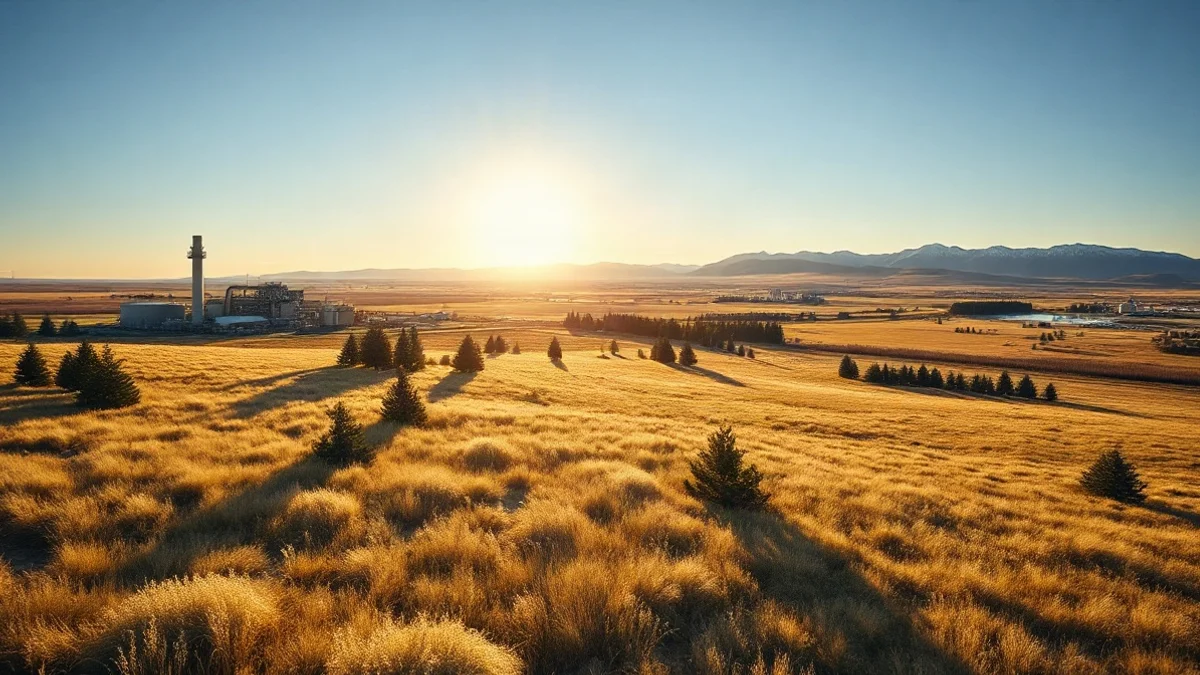
The offer that landed in the mailbox of Dalsia Barr and her mother, Ida Huddleston, about a year ago looked like a movie script. An anonymous company began purchasing agricultural land in Kentucky, USA, and the plots belonging to the two women were the most valuable. For Barr's 463 dunams and her mother's 71 dunams, they were offered 26.48 million dollars. All they had to do was sign the documents and become fabulously wealthy overnight.
At first, the mother and daughter agreed to the deal. However, when it became clear that the land on which their family has lived and worked for about 200 years was intended for a massive 2.2-gigawatt server farm for the artificial intelligence industry, the answer became a resounding "no." "Take your feet and don't come back," Barr told the company representative, according to a Wall Street Journal investigation.
Since that refusal, 54-year-old Barr and 83-year-old Huddleston have become heroines in the rural struggle against the takeover of AI technology. Barr deals with almost total blindness due to diabetes, and her mother uses a walking stick. "One of us is blind and the other is disabled," Huddleston described with bitterness mixed with humor. "Even if I had 26 million dollars, I would want to sit here in my chair, drink my coffee, and eat my food in the place where I always do."
For Barr, the opposition is based on a deep spiritual and religious worldview.
"I believe that artificial intelligence will be the destruction of the human race. My faith holds that we must hold on to the place where we stand. If I leave this plot of land and it becomes an artificial intelligence center, then I have failed my mission in this world and will have to give an account for it on Judgment Day."
In their hometown of Maysville, with about 8,700 residents, the massive data project is tearing the social fabric in two. The median income in the area is only about 39,000 dollars a year, and about a quarter of the residents live below the poverty line. The planned farms offered hope in the form of 400 full-time jobs, doubling the municipal budget, and injecting millions into upgrading collapsing water infrastructure. A local bar owner, Danielle Reese, represents the voice of the frustrated supporters: "If an AI company offered me 26 million dollars, I would say 'hell yes' and start living instead of struggling all the time."
Civil resistance is growing due to a lack of transparency. The identity of the developer was kept secret under strict non-disclosure agreements, although public documents suggest it is likely the tech giant Meta. The struggle has spilled over into local courts and frozen payments to neighbors who had already agreed to sell. "Now everyone is mad at me," Barr admits, but it seems she is willing to pay the social price to stop the entry of the digital future into her backyard.