Greek Experts Warn of Potential Tsunami Risks Along Crete's Northern Coast
Greek seismologists warn of potential tsunami risks along Crete's northern coast, urging Rethymno authorities and the tourism sector to enhance emergency preparedness and visitor safety measures.
Greek seismic experts have issued a serious warning regarding the potential threat of tsunamis along the northern coast of Crete, urging local authorities, residents, and millions of tourists to upgrade emergency preparedness. Professor Efthimios Lekkas, president of the Earthquake Planning and Protection Organization (OASP) and an expert in disaster management at the University of Athens, presented new research highlighting the tectonic risks of the region where the African plate pushes beneath the Eurasian plate.
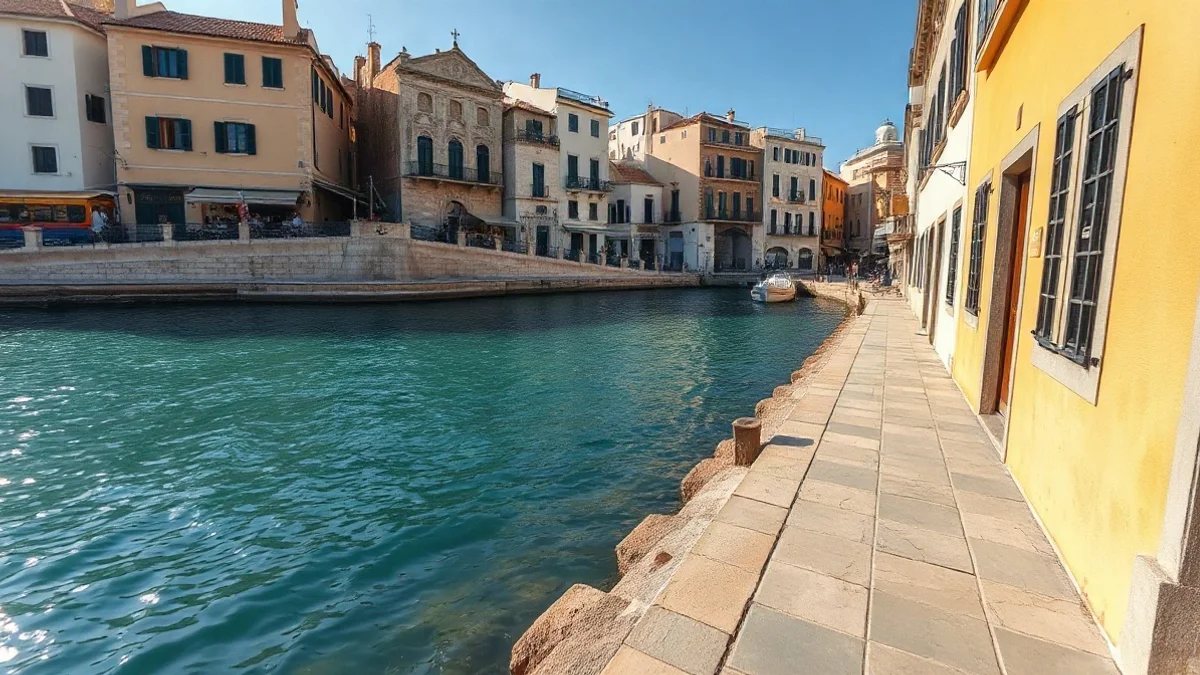
While Mediterranean tsunamis are not expected to reach the catastrophic scale seen in the Pacific or Indian Oceans, scientists stress that even moderate water surges could cause severe damage and immediate threats to low-lying coastal areas. The historic and heavily touristed city of Rethymno has been flagged as a primary area of concern due to its dense urban planning, narrow medieval alleys, and massive summer tourist influx that significantly complicates rapid evacuation.
Challenges for Tourism and Hotels
The tourism industry, which serves as Crete's economic backbone, finds itself at the center of this planning challenge. Unlike locals who understand the regional topography, foreign tourists often suffer from severe information gaps, language barriers, and a lack of awareness regarding Mediterranean seismic hazards. Experts recommend that hotels incorporate concise safety briefings at check-in, including multilingual evacuation maps and clear instructions on recognizing natural warnings such as prolonged shaking or sudden coastal water recession.
Furthermore, daily resort staff ranging from front desk agents to pool bartenders will play a critical role in guiding guests toward safe elevated routes, such as the northern highway axis (BOAK), which could act as a natural barrier. Tourism officials emphasize that transparency, scientific preparation, and advanced early warning systems ultimately foster greater confidence among international travelers rather than panic.