Israeli Court Convicts Man for Selling Whipped Cream Gas Inhalation Kits
An Israeli court convicted a man of reckless conduct for selling legal whipped cream chargers with inhalation kits, ruling that marketing the gas for euphoria is a crime.
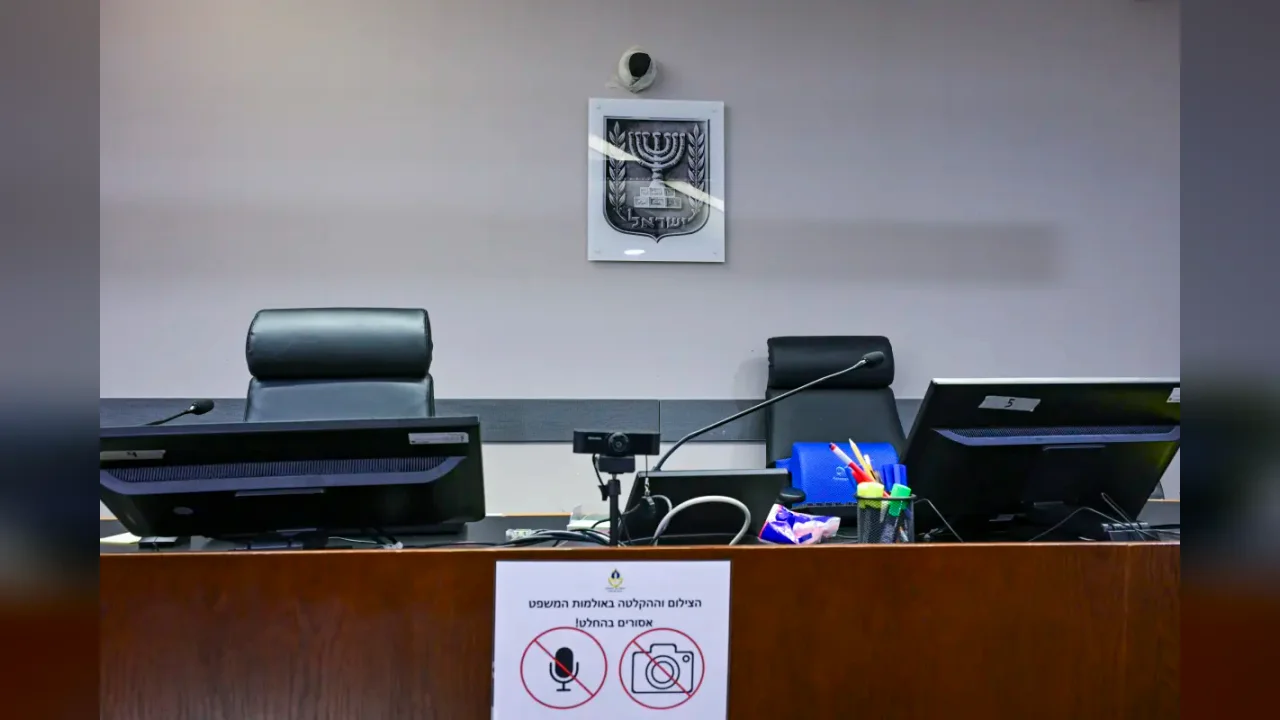
A Magistrates' Court in Israel has convicted Avi Torfia on 16 counts of reckless and negligent conduct with a hazardous substance, ruling that selling legal whipped cream chargers packaged with inhalation kits constitutes a criminal offense. Although the gas itself is legal and widely available in stores, the court found that marketing it specifically for recreational inhalation creates severe health risks.
According to the indictment, Torfia and an associate acquired roughly 500 nitrous oxide canisters, along with piercing devices and approximately 14,600 balloons. Operating through flyers and social media campaigns, the defendant sold inhalation kits for hundreds of shekels over a two-month period. Investigators revealed that sales were made to minors aged 15 to 17, and a delivery service was employed to distribute the packages across various locations.
The prosecution presented expert toxicological testimony from Dr. Ofir Levon, who explained that inhaling whipped cream gas can lead to oxygen deprivation, loss of consciousness, neurological damage, and even paralysis or death. While the substance is legally used in medicine and the food industry, the danger arises when it is intentionally diverted for euphoric misuse.
During the trial, the defense argued that the prosecution violated the principle of legality, emphasizing that the legislature has not explicitly banned the sale of whipped cream chargers. The defense compared the product to legal substances like alcohol or painkillers, which can cause harm if misused but remain lawful to sell. Torfia claimed he checked the product's legality online beforehand and believed his actions were lawful.
Judge Amir Doron rejected the defense arguments, ruling that selling a legal product does not grant immunity from criminal liability when it is marketed in a manner that endangers human life. To illustrate the distinction, the judge used a legal analogy: gasoline, bottles, and cloth are all legal items, but combining them into a single kit with instructions creates an incendiary device. The court concluded that the prosecution proved beyond a reasonable doubt that the defendant knowingly endangered public health.