Chinese EV Brands Trade Importers in Reorganizing Israeli Auto Market
The Israeli automotive sector is experiencing a wave of franchise reshuffling as struggling Chinese electric vehicle brands swap local importers amid regulatory pressure and shifting market strategies.
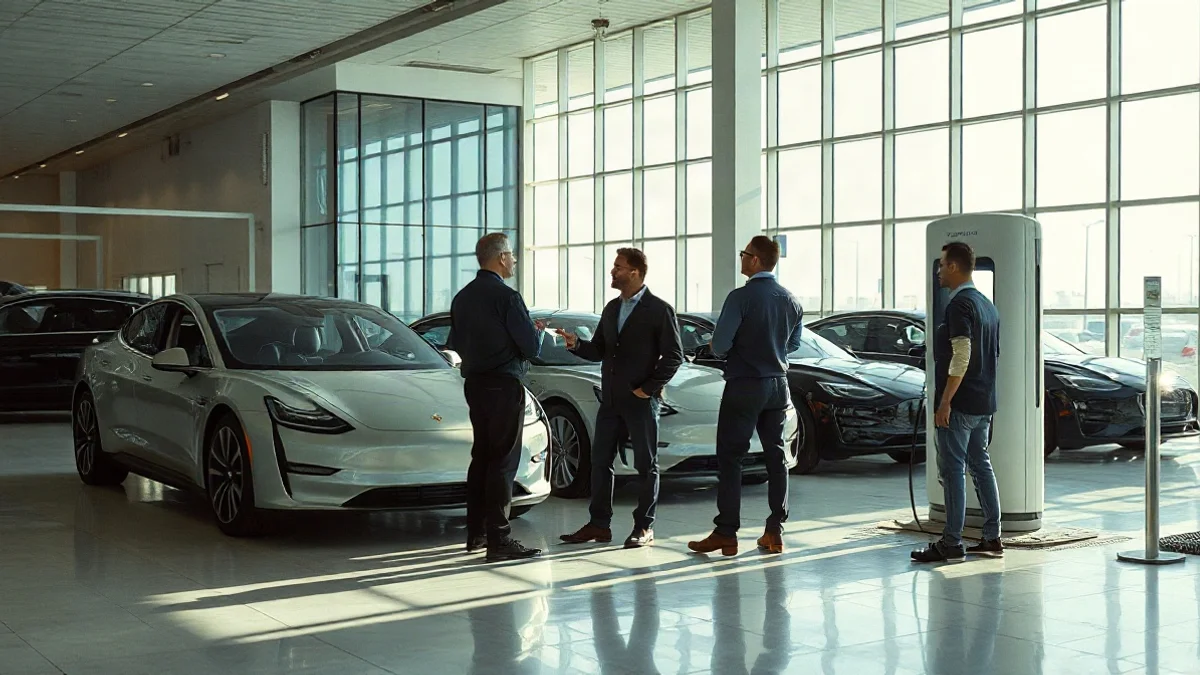
The Israeli automotive market is undergoing a quiet yet significant reshuffling, as struggling Chinese EV brands swap local representation. Auto Chen, part of the Baliliouis Group, recently acquired the import concession for EVEASY, a brand previously managed by Frisbee. EVEASY was founded as a joint venture between France's Renault and China's Jiangling. While Western-Chinese partnerships have often struggled to gain traction globally and within China, Jiangling's historical tie to Renault dictated the initial local partnership. However, with zero sales this year and a single model—the EVEASY Limo—the brand's future under its previous importer remained bleak, prompting the handover.
This shift is not isolated. Auto Chen also secured the import rights for Forthing, another underperforming Chinese electric vehicle brand in Israel. Other marques, such as Modern, languish with virtually zero annual sales. Under normal circumstances, automotive import concessions rarely change hands so fluidly, as major importers tightly guard their portfolios. Yet, a unique convergence of regulatory pressure, historical miscalculations, and shifting global strategies is creating a wave of restructuring across the Israeli automotive sector.
Regulatory scrutiny is a primary catalyst. The Israel Competition Authority and the Ministry of Transport continue to closely monitor the automotive landscape, making the renewal of import licenses a deliberate process. Major importers like Frisbee are also managing administrative and operational bottlenecks. Confronted with a massive influx of complex Chinese models, these established players are increasingly willing to shed underperforming brands to optimize their service networks and showrooms.
From a global perspective, early market entries were plagued by mismatched vehicles and limited-edition imports. Importers frequently resorted to selling unsold inventory as zero-kilometer first-hand vehicles accompanied by erratic price fluctuations. Meanwhile, Chinese manufacturers have used Israel as a vital testing ground for Western expansion, aided by data from the China Passenger Car Association (CPCA). Having refined their manufacturing pipelines, these automakers are now rolling out standardized models specifically engineered for European compliance—vehicles that are fully equipped for the Israeli market.
This maturation phase has highlighted a clear market division. On one end of the spectrum stand dominant giants like BYD and Geely, which continue to post staggering sales figures. On the other end are underperforming brands struggling for survival. While some marques maintain active backing from their parent companies—such as AITO's collaboration with Seres—others are actively searching for new local custodians or quietly exiting the market as their early momentum fades.
Ultimately, three years after the initial wave of Chinese electric vehicles disrupted the Israeli market, the landscape is maturing beyond its experimental phase. With aggressive smaller players like Auto Chen willing to absorb troubled portfolios and challenge established distribution norms, the market is primed for a new chapter of competitive consolidation.