Israel Tax Authority Proposes Higher Levies on Trapped Profits and Vacant Land
Israel's Tax Authority director Shay Aharonovich proposed raising trapped profits distribution to 8% and reinstating a 1.5% property tax on vacant land to avoid broader tax hikes.

Shay Aharonovich, director of Israel's Tax Authority, proposed raising the required distribution rate for the trapped profits arrangement from 6% to 8% annually and reinstating property tax on vacant land, which has stood at zero since 2000. These measures were presented at the tax consultants' conference in Eilat as an alternative to raising VAT or income tax amid high defense budgets.
Changes to Trapped Profits and Dividends
The arrangement, taking effect in early 2025, applies to closely held companies with over 750,000 NIS in accumulated profits, affecting professionals and family businesses. Currently, companies must distribute dividends at a fixed rate, currently set to reach 6% by 2026, or pay a 2% annual charge on bad surpluses. Aharonovich proposed increasing the distribution rate to 8%, which would raise the tax burden significantly for companies holding high liquidity in investment portfolios.
"The authority will review the impact on growth in 2027, and adjustments may follow," noted Aharonovich, addressing criticism from the Tax Consultants Chamber.
Reinstating Property Tax on Vacant Land
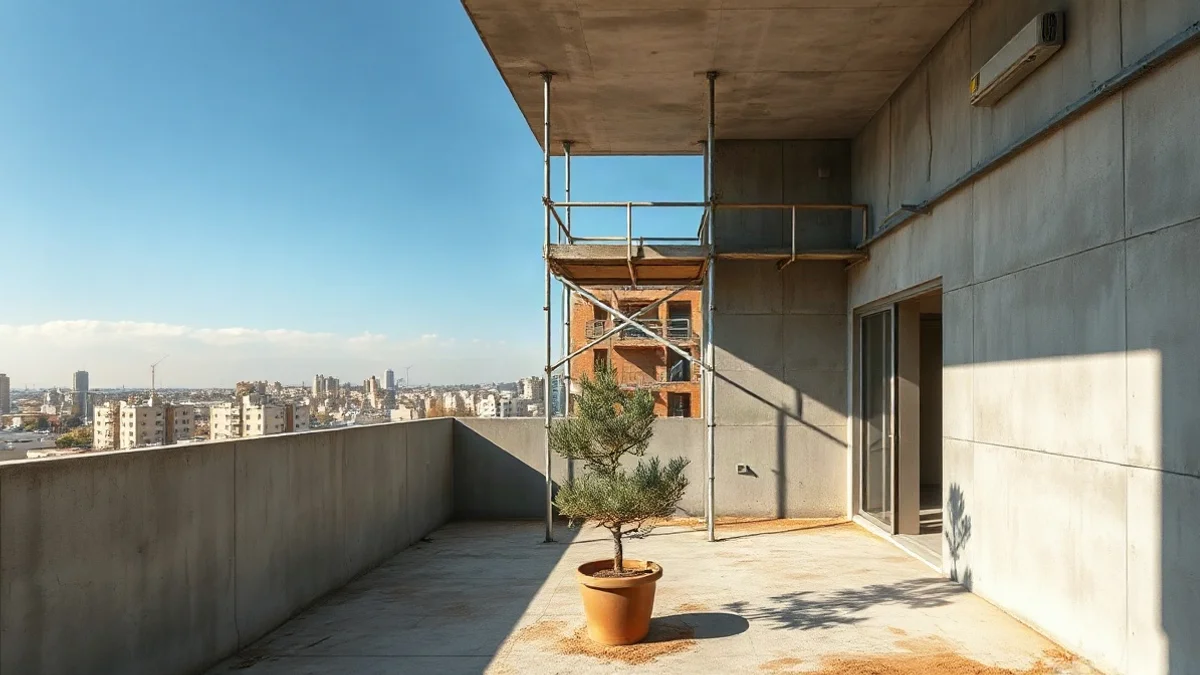
The government's Economic Arrangements Law proposed a flat 1.5% annual tax on vacant land built on less than 10% of its area. Treasury data indicates that private households and corporations hold billions in vacant land, with the top percentile owning roughly a quarter of it. While the Treasury views this as an incentive to build or sell, contractors warn that bureaucratic delays will only shift the costs onto apartment buyers.